
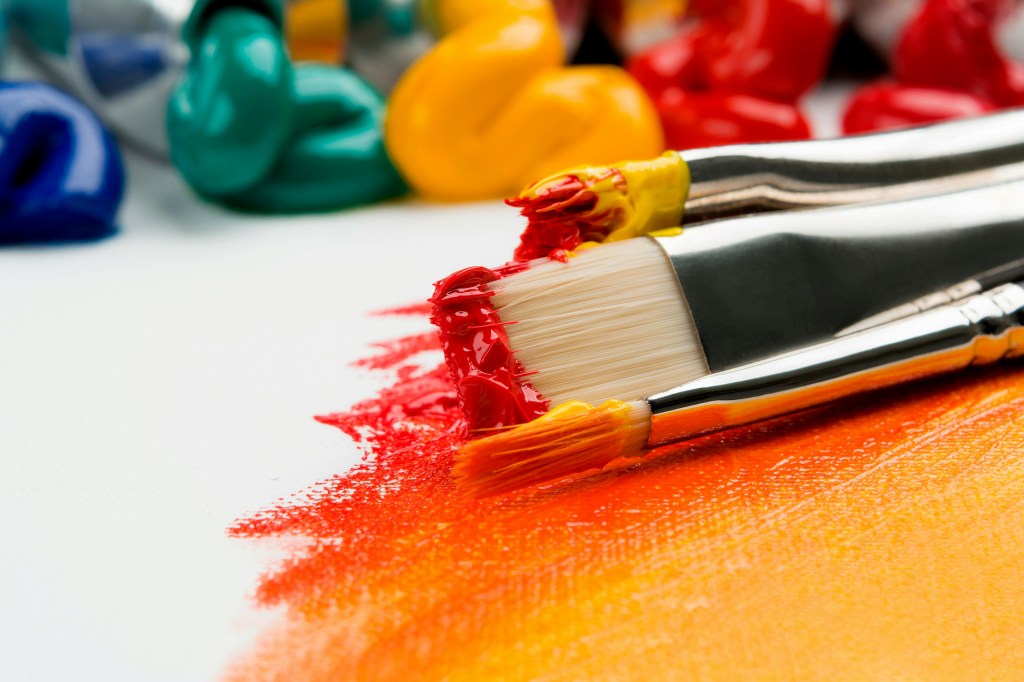
Have you heard of Expressive Arts Therapy? It’s a dynamic approach to healing in therapy that harnesses the power of creativity to foster growth, healing, and self-discovery. You know what’s the best part? There’s NO talent or art/music experience needed to use it with your therapist. In fact, many people are convinced they can’t make art or music as children, so they think they aren’t creative. Well, that’s wrong! You are creative and you are musical…it was born in you. This is why you sometimes walk to the beat of a song or doodle when bored. So, in Expressive Arts Therapy, we take away the pressure of creating a product and heal through the process alone (the actual creating leads to realization and relief). Let’s go a little deeper.
Expressive Arts Therapy vs. Art/Music Therapy: Understanding the Difference
Expressive Arts Therapy is a form of psychotherapy that encourages individuals to explore and express their thoughts, feelings, and experiences through various creative modalities such as visual arts, movement, music, drama, and writing. It builds on itself, with one mode leading to another. For example, you may write about something that gives you anxiety, then draw about it, then even add to that drawing. Insight may come from the process of the journey through the modes of art and what is learned in each step. Are you still with me?
Now, you may be confused on whether this is art or music therapy. While both Expressive Arts Therapy and art or music therapy utilize creative processes, there are notable distinctions between the approaches.
- Expressive Arts Therapy is more expansive in scope, integrating multiple art forms to facilitate exploration and expression.
- On the other hand, art therapy typically focuses solely on visual art mediums such as drawing, painting, and sculpture. An art therapist is specialized and has a specific skill set to help you heal (there’s a graduate degree for both art and music therapy).
- Music therapy focuses on using music to achieve your goals in a manner using specific musical techniques led by a trained professional.
It’s important to note that utilizing music in therapy does not automatically qualify one as a music therapist. Similarly, incorporating art in therapy doesn’t necessarily make one an art therapist. Rather, therapists who integrate music or art into their practice are utilizing these mediums as tools within a broader therapeutic framework, such as Expressive Arts Therapy. *This should be done by a trained mental health provider.
How I’ve been trained to use art and music in therapy includes many professional development classes and even a certification as a HealthRhythms Drumming Facilitator. I also use evidence-based interventions within Expressive Arts Therapy but am not working under a specific license or certification for this specialization, such as an art or music therapist, respectively. My Florida licensed therapy is informed by many theories and Expressive Arts Theory is one of them. Make sense? Great! Let’s move on to how it can help you.
Understanding Presenting Problems Addressed by Expressive Arts Therapy
Expressive arts therapy is particularly beneficial for addressing a wide range of presenting problems, including but not limited to:
- Anxiety and Stress: Creative expression can provide a nonverbal outlet for processing and managing overwhelming emotions.
- Attention-Deficit/Hyperactivity Disorder (ADHD): Sometimes we need an alternative way to express or process when we have neurodivergence. This is a great therapy choice for learning what music may increase focus, for example.
- Trauma: Artistic expression can offer a safe space for exploring and integrating traumatic experiences, bypassing the limitations of language.
- Depression: Engaging in creative activities can enhance mood, promote self-expression, and foster a sense of accomplishment.
- Self-Exploration and Personal Development: Through creative exploration, individuals can gain insights into their inner world, develop self-awareness, and cultivate resilience.
- Relationship Issues: Utilizing creative mediums can facilitate communication, empathy, and understanding within interpersonal relationships.
Example Interventions within Expressive Arts Therapy
There’s endless ways to use Expressive Arts Therapy in sessions, but here’s an idea of what some may look like.
- Visual Journaling: Encouraging clients to keep a visual journal where they can freely express their thoughts and emotions through drawing, painting, collage, or mixed media.
- Body Movement and Dance: Using movement to explore bodily sensations, release tension, and reconnect with one’s physical self.
- Guided Imagery and Music: Facilitating sessions where clients listen to specially curated music while engaging in imagery exercises to access subconscious material and promote relaxation.
- Mask Making: Exploring identity, emotions, and personas through the creation of masks, providing a tangible representation of inner experiences.
- Improvisational Theater: Engaging in playful improvisation exercises to promote spontaneity, creativity, and emotional expression.
Embrace the Journey of Self-Discovery
I invite you to consider the transformative potential of creativity in your own journey of self-discovery and healing. Whether you’re struggling with anxiety, ADHD, or simply seeking greater self-awareness, Expressive Arts Therapy offers a unique pathway to explore, express, and integrate the complexities of your life experience.
If you’re curious to learn more about how Expressive Arts Therapy can support you on your journey, I encourage you to reach out and schedule a free 15 minute phone consultation to talk about my individual telehealth therapy. I also offer 30 minute workshops on how using art/music can help you heal as well as how other therapists can use it in their work. Together, we can embark on a collaborative journey towards healing, growth, and self-empowerment.
Express yourself. Discover yourself. Heal yourself.
Contact Me in 4 Easy Ways (for therapy):

- Click the yellow “Book Online” button above for your free 15 minute phone consultation
- If you have insurance, schedule the call through Headway
- Fill out the form below for your call (I’ll contact you by secure voice and/or text to schedule our consultation time)
- Call me at 321-415-0832
***Must be living in Florida to receive my therapy services. It’s OK if your permanent address is in another state and you attend college in Florida!


If you need immediate assistance, please call 911 or call/text with the Suicide and Crisis Lifeline at 988. For LGBTQIA+ specific support, visit https://www.thetrevorproject.org/.
Copyright © 2024 Imagine Change Counseling, LLC. All rights reserved.
 Imagine Change Counseling, LLC
2 Replies to “Expressive Arts Therapy: Exploring Creativity in Healing”