

Is Therapy for Me?

laptop-on-desk-with-open-notebook

Deciding whether therapy is the right path for you is no simple task. The journey to seeking help for mental health concerns is often shrouded in uncertainty and contemplation. As a young adult, life is rife with transitions, challenges, and self-discovery, making the decision to pursue therapy a pivotal moment. In this blog post, I’ll explore the intricacies of this decision-making process, addressing key topics to guide you through the maze of considerations.

Is It Time to See a Therapist?

The first step in deciding whether to have therapy is recognizing when it might be time. Therapy is not reserved for crises alone; it’s a proactive tool for improving overall well-being. Here’s some examples for you to consider.

  1. Persistent Feelings of Overwhelm: If you find yourself consistently overwhelmed by life’s demands and unable to cope effectively, therapy can provide tools to manage stress and build resilience.
  1. Decline in Quality of Life: A noticeable decline in your overall quality of life, affecting various aspects such as work, relationships, or personal well-being, may indicate the need for therapeutic support.
  1. Difficulty Coping with Concerns: When coping with a particular concern consumes a significant amount of your time and mental energy, therapy can offer constructive strategies to manage and navigate these challenges.
  1. Changes in Sleep Patterns or Appetite: Noticeable disruptions in sleep or changes in appetite can be signs of emotional distress. Therapy can help explore the root causes and develop coping mechanisms.
  1. Intense or Prolonged Emotional States: If you experience intense emotions like sadness, anxiety, or anger that persist over an extended period, therapy can provide a supportive space to explore and manage these emotions.
  1. Lack of Enjoyment in Previously Enjoyable Activities: If activities that once brought joy or fulfillment now seem uninteresting or unfulfilling, therapy can help uncover and address the underlying factors contributing to this shift.
  1. Negative Thought Patterns: Persistent negative thought patterns or self-talk can impact your self-esteem and overall mental well-being. Therapy can assist in challenging and reframing these thoughts.
  1. Feeling Stuck or Unfulfilled: If you feel stuck in life, unable to make decisions or find fulfillment, therapy can offer guidance in exploring your values, goals, and aspirations.

Possible Concerns About Seeing a Therapist

Concerns about therapy is natural. Common worries include the fear of being judged, the stigma surrounding mental health (especially due to your culture and family messages), or concerns about the therapeutic process itself. It’s essential to understand that therapy is a collaborative and confidential space where you can explore your thoughts and emotions without judgment. Addressing these concerns openly with a potential therapist is a vital part of the therapeutic journey. Here’s more for you to consider, with a little help to combat those worries.

  1. Uncertainty About the Therapeutic Process: Concern: Not knowing what to expect during therapy sessions or how the process works. Help: Discussing the therapeutic process with the therapist during initial sessions and asking questions to gain clarity. I offer information about my process on my website and talk to the client in my free consultation call about what to expect with me.
  1. Vulnerability and Opening Up: Concern: Feeling vulnerable about sharing personal thoughts and experiences with a stranger. Help: Building trust gradually with the therapist and understanding that therapy is a confidential and safe space.
  1. Perceived Weakness or Failure: Concern: Viewing therapy as an admission of weakness or failure. Help: Recognizing that seeking therapy is a proactive step towards personal growth and self-improvement…in other words, strength.
  1. Financial Considerations: Concern: Worries about the cost of therapy and whether it is a sustainable investment. Help: Exploring options such as insurance coverage, sliding scale fees, or discussing financial concerns openly with the therapist. I take insurance and even have a college student rate, for example.

Addressing these concerns openly can help demystify the therapy experience and alleviate apprehensions.

Benefits of Therapy

Let’s get to the good stuff! Therapy offers a lot of benefits, extending beyond addressing immediate concerns. Here’s a few of the many benefits.

Transformative Outcomes Include:

  • Improved self-awareness: Understanding your thoughts and emotions on a deeper level.
  • Enhanced coping strategies: Developing effective ways to deal with life’s challenges.
  • Healthier relationships: Improving communication skills and fostering meaningful connections.
  • Overall well-being: Gaining tools for a more fulfilling and balanced life.

Therapy offers a space for personal growth and positive change beyond immediate concerns.

Types of Therapy

Therapy comes in various forms, each catering to different needs and preferences. From cognitive-behavioral therapy (CBT) to psychodynamic therapy, understanding the nuances of each can help you choose what aligns best with your goals. Each approach has its pros and cons; some may focus on short-term problem-solving, while others delve deeper into underlying issues. It’s about finding the right fit for you.

Search “types of therapy” and see what feels right for you, then look for therapists who work from those models. Most therapists integrate a few theories, however. For example, my basis is CBT but I also use a few other theories like Expressive Arts Therapy (using art and music). Understanding therapy types allows you to choose a method that aligns with your preferences and goals.

Finding the Right Therapist

This leads to finding a great fit. The right therapist is a crucial aspect of the therapeutic process. If you’ve had a less-than-ideal experience in the past, don’t be discouraged; each therapist is unique.

Tips for a Successful Search:

  • Consider your preferences: Gender, therapeutic approach, specialization. Be open to those you haven’t experienced but always go with your preference and your gut. Ah, yet another reason that consultation call is important!
  • Utilize online platforms, referrals, or directories to explore potential therapists. You can view therapists in many ways. A favorite of mine is Psychology Today. Look at reviews on Google as well!
  • Don’t be discouraged by past experiences; each therapist is unique. Seriously, I promise. I’ve even had a, let’s say, negative interaction for myself once. Thankfully, I knew there were great therapists out there and tried again. The next one was amazing!

Take the First Step Towards Your Well-being

I hope this post helps you with deciding whether therapy is right for you. It’s a personal journey, and it’s okay to take the time needed for this important decision.

If you’re interested in learning more about how I can support you on your journey, I invite you to explore my online individual therapy (just make sure you live in Florida). I also offer online workshops for a variety of needs, like stress management and ADHD.

Remember, your mental health matters, and seeking help is a sign of strength. Is therapy for you? The answer lies in your hands, and I’m here to support you every step of the way.

Contact Me in 4 Easy Ways (for therapy):

Imagine Change Counseling, LLC

  • Click the yellow “Book Online” button above for your free 15 minute phone consultation 
  • If you have insurance, schedule the call through Headway
  • Fill out the form below for your call (I’ll contact you by secure voice and/or text to schedule our consultation time) 
  • Call me at 321-415-0832 

***Must be living in Florida to receive my therapy services. It’s OK if your permanent address is in another state and you attend college in Florida!

Go back

Your message has been sent

Warning
Warning
Warning
Warning.

If you need immediate assistance, please call 911 or call/text with the Suicide and Crisis Lifeline at 988. For LGBTQIA+ specific support, visit https://www.thetrevorproject.org/.

Copyright © 2024 Imagine Change Counseling, LLC. All rights reserved.

Cultivating Self-Compassion

woman-hugging-herself-with-back-to-camera

Embracing Self-Compassion in the New Year

As we dive into this new year, the buzz around resolutions and goals can be both exciting and daunting. With all this chatter, let’s talk about something equally important, and related—self-compassion. It’s that gentle, understanding voice within us that offers kindness and support, especially when things get tough. In this post, let’s explore what self-compassion entails, why it’s crucial right now, and how to nurture this aspect of ourselves.

Understanding Self-Compassion: What is it and How Does it Show Up?

Self-compassion is the art of treating yourself with the same warmth and understanding you’d extend to a friend facing a challenge. It involves three core components: self-kindness versus self-judgment, common humanity versus isolation, and mindfulness versus over-identification.

  1. Self-Kindness vs. Self-Judgment: Self-kindness involves treating oneself with warmth, understanding, and patience, especially during times of difficulty or when facing personal shortcomings. It’s about being gentle and supportive with oneself, similar to the way one would comfort a friend in need. This component encourages individuals to acknowledge their imperfections without harshly criticizing themselves. On the flip side, self-judgment involves being overly critical, engaging in negative self-talk, and harshly evaluating oneself for mistakes or perceived failures. Practicing self-kindness means extending compassion and forgiveness to oneself, nurturing a more positive and supportive inner dialogue.
  2. Common Humanity vs. Isolation: Recognizing our common humanity involves acknowledging that struggles, challenges, and setbacks are universal experiences. It’s about understanding that everyone encounters difficulties in life, and no one is immune to facing obstacles. This component helps individuals understand that their struggles are not unique or isolating, reducing feelings of shame or inadequacy. Embracing common humanity allows one to connect with others through shared experiences, fostering empathy and understanding, and reducing feelings of loneliness or isolation during challenging times.
  3. Mindfulness vs. Over-Identification: Mindfulness involves being present and aware of one’s thoughts, emotions, and experiences without becoming overwhelmed or consumed by them. It’s about observing thoughts and feelings without judgment or excessive attachment. This component encourages individuals to approach their emotions with openness and curiosity, allowing for a deeper understanding of their inner experiences. On the other hand, over-identification occurs when individuals become engulfed by their emotions, leading to a sense of being overwhelmed or defined by their thoughts and feelings. Practicing mindfulness enables a balanced perspective, where one acknowledges emotions without being controlled or defined by them, promoting emotional resilience and self-awareness.

These three components of self-compassion—self-kindness, recognizing common humanity, and practicing mindfulness—work together synergistically to create a supportive and understanding relationship with oneself, fostering resilience, emotional well-being, and a healthier self-image.

Now, with all the resolution frenzy around, it’s an excellent moment to check in on this aspect of ourselves. The pressure to begin the year with a bang often overshadows the importance of giving ourselves permission for a slow start or even no start at all. Remember, it’s okay not to immediately leap into action; it’s more about being kind to yourself in your journey.

Identifying Your Level of Self-Compassion: Questions to Reflect On

Let’s take a moment for self-reflection. Ask yourself:

  1. How do I speak to myself when I face challenges or setbacks?
  2. Do I believe that I’m alone in my struggles, or do I recognize that everyone faces difficulties?
  3. Am I mindful and aware of my feelings without getting consumed by them?

Tips to gauge your self-compassion:

  • Observe your inner dialogue during challenging times.
  • Notice if you’re harsher on yourself compared to how you’d support a friend.
  • Reflect on whether you tend to isolate your struggles or view them as part of the human experience.

The Impact of Improved Self-Compassion: What’s in It for You?

Developing self-compassion offers many benefits, especially in the whirlwind of young adulthood. It can:

  • Reduce anxiety and stress levels, leading to improved mental well-being.
  • Boost resilience, helping you bounce back from setbacks and failures.
  • Enhance motivation and self-esteem, fostering a healthier self-image.

Think about navigating college life; imagine feeling less overwhelmed by academic pressures or being kinder to yourself when facing social challenges. That’s the power of self-compassion in action!

Tips to Enhance Your Self-Compassion Right Now

  1. Practice self-care routines: Allocate time for activities that nourish your mind and body, whether it’s yoga, journaling, or simply taking a leisurely walk.
  2. Reframe self-talk: Challenge negative self-talk by consciously replacing it with more compassionate and realistic statements.
  3. Cultivate mindfulness: Engage in mindfulness practices like meditation or deep breathing exercises to stay present and compassionate toward your experiences.

Take a Step Towards Self-Compassion Today

As we step into this promising new year, let’s remember the importance of nurturing our self-compassion. Remember, it’s a journey, and small steps matter. If you’re intrigued and want to delve deeper into this journey of self-discovery and compassion, feel free to reach out!

I can help you learn more about how to foster self-compassion in your life if you live in Florida. If not, you can find a therapist in your state. But don’t hesitate…it’s worth it.

Remember, it’s okay to take it slow and be kind to yourself in this process. You’ve got this!

Contact Me in 4 Easy Ways (for therapy):

Imagine Change Counseling, LLC

  • Click the yellow “Book Online” button above for your free 15 minute phone consultation 
  • If you have insurance, schedule the call through Headway
  • Fill out the form below for your call (I’ll contact you by secure voice and/or text to schedule our consultation time) 
  • Call me at 321-415-0832 

***Must be living in Florida to receive my therapy services. It’s OK if your permanent address is in another state and you attend college in Florida!

Go back

Your message has been sent

Warning
Warning
Warning
Warning.

If you need immediate assistance, please call 911 or call/text with the Suicide and Crisis Lifeline at 988. For LGBTQIA+ specific support, visit https://www.thetrevorproject.org/.

Copyright © 2024 Imagine Change Counseling, LLC. All rights reserved.

Finding Simplicity This Year

green-leaves-in-water-in-vase-white-table-and-background

Embracing Simplicity in a Chaotic World

Life can often resemble a whirlwind in our fast-paced society. As young adults, navigating through the maze of responsibilities, relationships, and personal growth, it’s understandable to desire simplicity to finding peace and stability amidst the chaos, especially if you’re starting a new college semester this week.

Simplicity serves as an anchor to us, offering a sense of calm and balance. It’s about finding clarity amid the noise and allowing ourselves to prioritize what truly matters. So, how do we begin? I’m here to help get you started.

Assessing Your Desired Life: Reflective Questions for Clarity

Have you wondered if you’re living the life you want, the one that you envisioned long ago? Maybe it is, maybe it’s not at all, or maybe it’s in the middle, just needing adjustment. No matter where you are, there’s room for growth and change, as long as you want it and make effort. Here’s some starter questions for you in a simple (get it?) list.

  • What does an ideal life look like for you this year and beyond?
  • Now what’s realistic and towards that ideal?
  • How do you envision simplicity contributing to your peace and stability?
  • What activities or elements in your life currently cause stress or overwhelm?

Of course, you can brainstorm many more jumping off questions, but hopefully your wheels are turning…so let’s keep going.

Checking Alignment: Does Your Life Reflect Your Aspirations?

Reflect on your present life a little more now. Does it align with vision? Consider your relationships, career/major, personal growth, and hobbies. Do they resonate with your values and aspirations? How are your physical and mental health presently? Ah, that’s really important. Let’s look further into those aspects of your life.

Physical and Mental Well-being: Assessing Now and Setting Goals

Where do you stand in terms of physical and mental health today? Think of your energy level and feeling good vs weight for physical health.

  • Do you wake up feeling rested?
  • Are you able to sleep through the night?
  • Are you satisfied with your food choices throughout the day?
  • Do you have enough energy to be social? Do your hobby? Get through your list of responsibilities?

OK, so are you nurturing your well-being adequately? Envision it, with the addition of mental health now. Hey, we’re one whole person so we need to look at both (and can look at even more if we really wanted to dive in!). Here’s some mental health questions to ask yourself:

  • Are you spending time for yourself?
  • What’s your stress level?
  • Check on your mood- sadness, satisfaction, etc.
  • Is there a sense of burnout?

After taking these questions into consideration, what do you think? Are you on track for how you want your life to be? If not, how can you bridge the gap between your current status and your desired state? Read on!

Starting Small: Practical Steps Toward Simplicity

Simplicity thrives on small, achievable changes. Maybe you want to begin by decluttering your physical space (a tidy environment can foster mental clarity). Establish a daily routine that promotes balance, incorporating activities that bring joy and relaxation. How about making sure you do a morning skin care routine or take a short walk? Anything that works for you is what works. Try not to follow another person’s style. Be you.

You can also end your day with certain small activities. Maybe it’s integrating in mindfulness practices like meditation or a brief gratitude journaling session. Or embrace minimalism by consciously purchasing only what you need, reducing unnecessary clutter and stress. The possibilities and ideas are endless. But what you want to do most of all is be consistent.

Examples of Sustaining Simplicity: Making it Stick

Maintaining simplicity requires consistency. Identify habits or practices that support your quest for simplicity. Here’s some ideas:

  • Make a schedule- develop rewards when you stick to it
  • Set days for a digital detox- only allow yourself socials on 4 days a week, for example
  • Set boundaries in relationships- stay on track for no phone communication before 9 AM, for example (that can be YOUR time)
  • Have an accountability partner who’s also creating a simple life- check in every few days and talk about how you can better stay on track if needed

Creating a support system can also help. Surround yourself with like-minded individuals who value simplicity, sharing experiences and encouraging one another’s journey towards a more balanced lifestyle.

Why Telehealth is an Ideal Support System

You may want a little extra help to achieve the life of your dreams. Sometimes that means help from a mental health professional, like me. I offer telehealth, individual sessions online for Florida residents (even if you go to college in Florida but are from another state- you just have to live here/be here for sessions).

Telehealth offers a convenient solution to prioritize your mental health. Access therapy from the comfort of your space, eliminating commuting stress and allowing flexibility in scheduling sessions. You can squeeze in therapy between classes and other demands.

Remember, simplicity isn’t about drastic change; it’s about intentional living aligned with your values. If you seek support in this journey, I invite you to explore my psychotherapy services or any in your state. If you aren’t ready for therapy, maybe try something less anxiety-provoking, like a workshop. I offer online workshops to people who live anywhere, including ones for ADHD and well-being.

Finding simplicity this year involves introspection, small adjustments, and prioritizing mental health. Here’s to a year filled with clarity, balance, and contentment. Let’s go!

Contact Me in 4 Easy Ways (for therapy):

Imagine Change Counseling, LLC

  • Click the yellow “Book Online” button above for your free 15 minute phone consultation 
  • If you have insurance, schedule the call through Headway
  • Fill out the form below for your call (I’ll contact you by secure voice and/or text to schedule our consultation time) 
  • Call me at 321-415-0832 

***Must be living in Florida to receive my therapy services. It’s OK if your permanent address is in another state and you attend college in Florida!

Go back

Your message has been sent

Warning
Warning
Warning
Warning.

If you need immediate assistance, please call 911 or call/text with the Suicide and Crisis Lifeline at 988. For LGBTQIA+ specific support, visit https://www.thetrevorproject.org/.

Copyright © 2024 Imagine Change Counseling, LLC. All rights reserved.

Realistic Goal Setting for 2024

goals-in-planner-on-desk

It’s 2024! So you know what that usually means…New Year’s resolutions. But instead of those, which I never make, let’s focus on realistic goal setting. Unlike resolutions that often fade away, setting achievable goals involves a thoughtful process that can genuinely transform your life. They have a specific intent backed by more than just want.

Setting Successful and Realistic Goals

Crafting goals that are actionable and impactful involves a few key strategies:

  1. Specificity Is Empowering: The power of specificity cannot be overstated. Instead of vague goals like “I want to eat healthier,” be specific: “I will incorporate a serving of vegetables in every meal.” Being precise helps in outlining clear actions. Think of it as being measurable in some way. If you can measure, you will know when you make progress. Also, pay attention to word choice (want vs will- see the difference above?).
  2. Measure Progress: Break down larger goals into measurable components. Ah, see. For instance, if your aim is to learn a new language, set weekly targets for vocabulary words or practice hours. Measuring progress makes achieving the end goal less daunting.
  3. Keep It Realistic: Dreaming big is fantastic, but goals must also be realistic. Starting with manageable steps ensures a higher chance of success. For example, if you aim to start a business, begin with researching your market instead of aiming for immediate huge sales figures. That often doesn’t happen so fast and can lead you to feeling sad or defeated. Small steps equal big results.
  4. Time Is of the Essence: Assign deadlines to your goals. This helps create urgency and keeps you accountable. By setting timelines, you create a sense of structure that propels you forward.

More Help is On the Way!

The above points are helpful but I want to give you more. OK, way more. Let’s talk about factors that will contribute to your success.

Importance of Mindset and Consistency:

When embarking on your goal-setting journey, nurturing a positive mindset is essential. Your attitude towards your goals significantly influences your success. Cultivate a growth mindset—a belief that abilities and intelligence can be developed through dedication and hard work. This outlook enables you to view challenges as opportunities for growth rather than obstacles.

Consistency is the bedrock of progress. It’s not just about making sporadic efforts but about showing up consistently towards your goals, even when motivation wanes. Establishing routines and habits aligned with your objectives fosters consistency. For instance, if your aim is to enhance your physical fitness, committing to regular exercise sessions, whether it’s a daily walk or gym workouts, builds consistency.

Harnessing the Power of Visualization:

Visualizing your goals is a potent tool. Take a few moments each day to visualize yourself achieving your goals. Picture the steps you’re taking, the obstacles you overcome, and the joy of reaching your milestones. Visualization strengthens your belief in your ability to achieve your goals, enhancing your motivation and focus. The power of our minds is something, well, powerful.

Accountability:

Accountability is a great motivator. Sharing your goals with someone who can hold you accountable encourages commitment. Consider joining groups or communities pursuing similar objectives. Engaging with like-minded individuals creates a supportive environment where you can exchange ideas, seek advice, and share successes and challenges.

Embracing Self-Compassion and Self-Care:

In the pursuit of goals, it’s crucial to practice self-compassion and prioritize self-care. Be kind to yourself if you experience setbacks or if progress seems slower than expected. Acknowledge your efforts and the steps you’ve taken, regardless of the outcome. Remember, self-compassion fosters resilience and perseverance.

Self-care is non-negotiable. Taking care of your physical, mental, and emotional well-being is vital for sustained progress. Ensure you allocate time for activities that recharge you, whether it’s reading, spending time outdoors, practicing mindfulness, or engaging in hobbies.

Adjusting as Needed:

Adjusting your goals doesn’t signify failure; it reflects adaptability and resilience. If a particular approach isn’t yielding results, consider these steps:

  • Evaluate Progress: Regularly assess your progress. If you’re consistently falling short, reevaluate your strategy.
  • Modify the Approach: If something isn’t working, tweak your plan. This could mean adjusting timelines, seeking additional resources, or altering your methods.
  • Celebrate Milestones: Acknowledge and celebrate smaller achievements along the way. It reinforces motivation and provides momentum for further progress.

Now Get To It

In 2024, your aspirations and goals will weave a narrative of growth and achievement. Embrace the power of realistic goal setting to shape your narrative. Remember, success isn’t a distant dream; it’s a journey crafted through deliberate, achievable goals.

Eager to dive deeper into goal setting and personal development? Connect with me to explore how my services can guide you in reaching your goals. You can set up individual telehealth therapy with me if you live in Florida or even take one of my short online workshops no matter where you live. All information is below.

Here’s to a remarkable 2024 filled with growth, resilience, and the fulfillment of your aspirations!

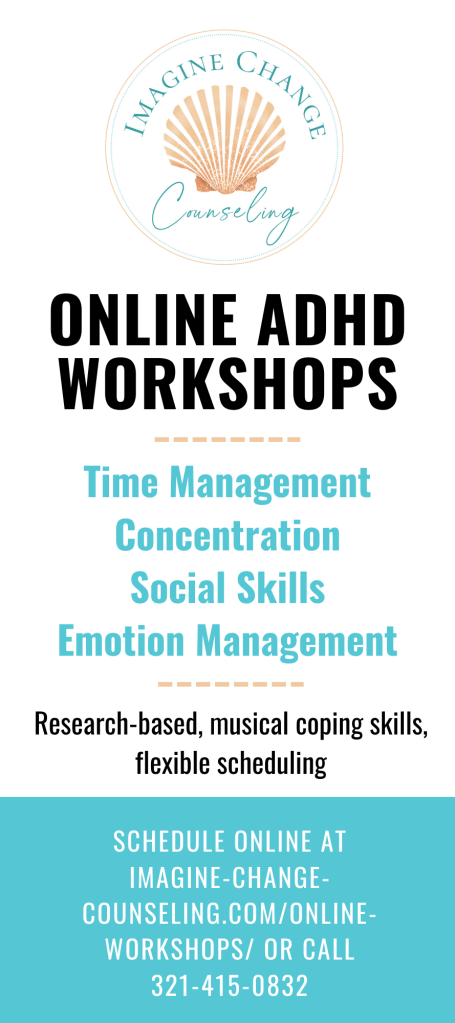
online-workshops-for-adhd
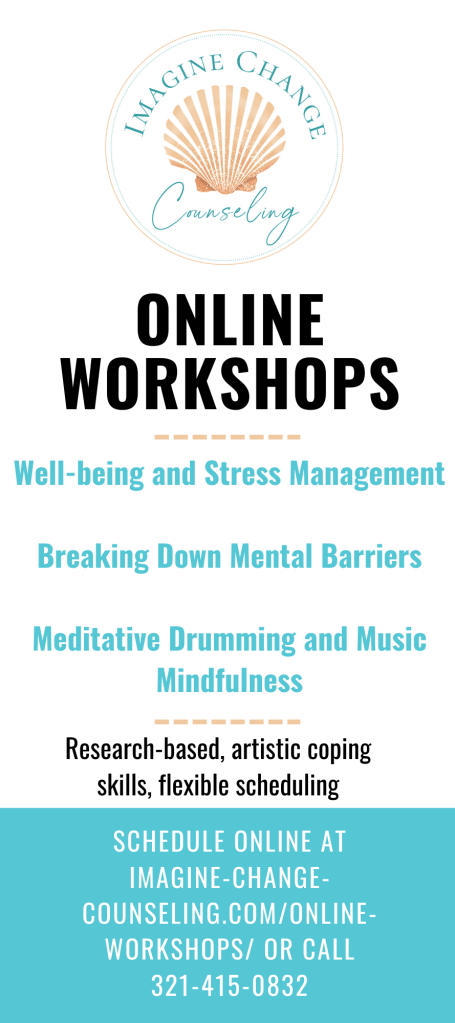
online-workshops-for-well-being-and-stress-management

Contact Me in 4 Easy Ways (for therapy):

Imagine Change Counseling, LLC

  • Click the yellow “Book Online” button above for your free 15 minute phone consultation 
  • If you have insurance, schedule the call through Headway
  • Fill out the form below for your call (I’ll contact you by secure voice and/or text to schedule our consultation time) 
  • Call me at 321-415-0832 

***Must be living in Florida to receive my therapy services. It’s OK if your permanent address is in another state and you attend college in Florida!

Go back

Your message has been sent

Warning
Warning
Warning
Warning.

If you need immediate assistance, please call 911 or call/text with the Suicide and Crisis Lifeline at 988. For LGBTQIA+ specific support, visit https://www.thetrevorproject.org/.

Copyright © 2024 Imagine Change Counseling, LLC. All rights reserved.
Embracing Personal Growth: My Year in Review

woman-facing-away-from-camera-on-beach

Understanding the Importance of a Year in Review

As we approach the end of another year, it’s natural to reflect on the past months—our victories, challenges, and everything in between. A “year in review” isn’t just a simple glance backward; it’s an opportunity to acknowledge every step taken, no matter how small, and celebrate personal growth. In this blog, I’ll delve into the significance of focusing on our achievements, the power of positivity, the importance of self-compassion, and help you get started with action steps for growth in 2024.

Embracing the Positive: A Shift in Focus

Life’s journey is a collage of moments, blending successes and challenges. It’s easy to fixate on setbacks, inadvertently overshadowing the many small yet noteworthy accomplishments. However, recalibrating our perspective enables us to perceive every stride, regardless of its apparent size, as a crucial advancement towards our aspirations. Each step forward, no matter how seemingly insignificant, contributes significantly to our growth and deserves acknowledgment and celebration! So, I’d like to encourage you to reflect on the past but with a grain of salt. There are positives and we can find them together. Even perceived negatives can be hidden lessons that become gifts in the future. Think back for a second on something like that in your life from this past year then continue reading.

Reflective Questions: A Holistic Evaluation

Here’s where we can start. Let’s embark on a reflective exploration through various facets of our lives:

Emotional Health: How have I navigated through emotional storms this year? What coping mechanisms have I developed to manage stress and nurture emotional well-being?

Physical Health: Have I prioritized my physical well-being? What healthy routines have I successfully integrated into my lifestyle, and how have they positively impacted my overall health and vitality?

Spiritual Health: Have I explored practices that foster inner peace and harmony? How have I nurtured my spiritual inclinations, if any, to find solace and purpose?

Social Health: How have my relationships evolved over the year? Have I invested time and effort in nurturing meaningful connections that contribute to mutual growth and support?

Reflecting on these dimensions of life allows us to acknowledge our strengths, identify areas for growth, and lay a solid foundation for personal development in the coming year.

Using Reflection for Growth, Not Rumination

It’s essential to highlight that the purpose of reflection isn’t to ruminate on regrets or dwell excessively on negatives. Rather, it’s about learning from experiences, both positive and challenging, to propel ourselves forward. Instead of lingering in regret or fixating on what went wrong, focus on what you’ve learned and how those lessons can be applied for growth. Treat each experience as a lesson—an opportunity to gather wisdom and evolve.

Self-Compassion: A Cornerstone of Mental Well-being

Amidst our self-reflection, there exists a powerful ally: self-compassion. It’s not just an indulgence but a necessity, especially in times of evaluating our progress and acknowledging areas needing improvement. Self-compassion is the art of treating ourselves with kindness, understanding, and acceptance, irrespective of our perceived flaws or shortcomings. It’s about offering ourselves the same empathy and support we readily extend to our friends and loved ones.

Practicing self-compassion involves:

  1. Self-Kindness: Being gentle and understanding with ourselves, especially when confronted with challenges or mistakes.
  2. Common Humanity: Recognizing that imperfection is part of the human experience; we are not alone in our struggles.
  3. Mindfulness: Approaching our emotions and thoughts with non-judgmental awareness, allowing space for self-reflection and growth.

Embracing self-compassion creates a nurturing environment within ourselves, fostering resilience, emotional balance, and a sense of well-being.

Making Intentional Choices in the New Year

Here’s some action steps for you to take for personal growth in 2024.

  1. Set Clear Goals: Define what you want to achieve in various aspects of your life—personal, professional, health, relationships—and outline actionable steps towards these goals.
  2. Prioritize Self-Care and Self-Compassion: Make self-care non-negotiable. Dedicate time for activities that rejuvenate you, be it meditation, exercise, hobbies, or simply unplugging from digital distractions.
  3. Embrace Learning: Cultivate a mindset of continuous learning. Whether it’s acquiring new skills, reading diverse literature, or seeking new perspectives, make learning an integral part of your journey.
  4. Practice Mindfulness: Stay present in the moment. Mindfulness cultivates awareness and helps in making conscious decisions instead of reacting impulsively.
  5. Foster Positive Relationships: Invest in relationships that nurture growth and bring positivity. Surround yourself with people who support your aspirations and encourage your personal development.

By implementing these tips, you can steer your life in a direction aligned with your aspirations, fostering growth and fulfillment in the new year.

Taking the Next Step

As this year draws to a close, let’s celebrate every milestone, no matter how small. Embrace the positive, practice self-compassion, and consider the path toward personal growth. If you’re inclined to delve deeper into your journey of self-discovery and growth, therapy can be an invaluable resource.

Yes, if you want to explore personal growth further, therapy is an excellent avenue. It’s not solely for addressing crises; therapy provides a safe space to explore emotions, patterns, and aspirations. A therapist can offer guidance, tools, and insights to navigate life’s complexities, empowering you to make informed choices and foster personal development.

I invite you to learn more about how therapy can support your journey. Reach out to explore how my services can guide you in embracing personal growth and building resilience for the year ahead (if you live in Florida). Schedule a free 15 minute phone consultation and take the next step towards a fulfilling and empowered life.

Remember, your journey is unique, and each step forward, however small, is a testament to your strength and resilience.

Contact Me in 4 Easy Ways:

Imagine Change Counseling, LLC

  • Click the yellow “Book Online” button above for your free 15 minute phone consultation 
  • If you have insurance, schedule the call through Headway
  • Fill out the form below for your call (I’ll contact you by secure voice and/or text to schedule our consultation time) 
  • Call me at 321-415-0832 

***Must be living in Florida to receive my therapy services. It’s OK if your permanent address is in another state and you attend college in Florida!

Go back

Your message has been sent

Warning
Warning
Warning
Warning.

If you need immediate assistance, please call 911 or call/text with the Suicide and Crisis Lifeline at 988. For LGBTQIA+ specific support, visit https://www.thetrevorproject.org/.

Copyright © 2023 Imagine Change Counseling, LLC. All rights reserved.
The Gift of Mental Health During the Holidays

red-gold-white-gifts-for-holidays

The holiday season is often depicted as a time of joy, merriment, and togetherness. However, beneath the veneer of festive cheer, it’s common to encounter a mix of emotions that can sometimes be overwhelming. As a psychotherapist dedicated to supporting your mental well-being, I understand that this time of year can bring up many feelings and situations that may impact your mental health. Whether it’s family dynamics, increased stress, altered routines, or the pressure to feel joyful when you’re not, recognizing and managing these emotions is crucial for maintaining your mental equilibrium. I want to help you with the greatest gift of all…mental health. Hey, it’s a gift you can give to yourself after all.

Identifying Mental Health Blocks

Let’s start with identification of your concerns. You know, the ones that may be stopping your from giving that gift to yourself. It’s essential to introspect and recognize signs that you might be struggling, so ask yourself these questions:

Physical Symptoms:

  • Am I experiencing changes in appetite, sleep patterns, or energy levels?
  • Do I feel fatigued or excessively tired despite resting?
  • Are there unexplained physical symptoms like headaches or stomachaches?

Emotional Indicators:

  • Am I feeling more irritable, anxious, or sad than usual?
  • Am I withdrawing from social interactions or feeling lonely?
  • Am I overly critical of myself or experiencing a loss of interest in activities I usually enjoy?

Spiritual and Other Areas of Concern:

  • Am I struggling to find meaning or purpose during this season?
  • Do I feel disconnected from my beliefs or values?
  • Am I overwhelmed by the pressures of gift-giving or social expectations?

Sprinkling In Healthy Coping Skills

When facing family stress, fatigue, or disruptions in sleeping and eating patterns, integrating in healthy coping skills and self-care is pivotal. Here’s ten (gift) ideas for you:

  1. Establish Boundaries: Set limits on commitments and prioritize self-care. It’s okay to say no to certain events or activities if they drain your energy.
  2. Practice Mindfulness: Engage in mindfulness exercises like meditation, deep breathing, or yoga to anchor yourself in the present moment and alleviate stress.
  3. Maintain Routines: As much as possible, stick to regular sleep and meal schedules. Consistency can provide stability during chaotic times. I know it’s tempting to indulge or skimp on sleep, but trust me on this tip!
  4. Seek Support: Reach out to friends, support groups, or a mental health professional if you’re feeling overwhelmed. Talking to someone can alleviate your burden.
  5. Move Your Body: Physical activity can be a great stress reliever. Engage in activities you enjoy, whether it’s a brisk walk, dancing to your favorite tunes, or trying a new workout routine. Moving your body can uplift your mood and energy levels.
  6. Set Realistic Expectations: It’s easy to get caught up in the ‘perfect holiday’ ideal. Instead, focus on what’s achievable and meaningful for you. Embrace imperfections and adjust your expectations to reduce unnecessary stress.
  7. Create Meaningful Rituals: Establishing personal rituals or traditions can ground you during this season. Whether it’s lighting candles, journaling gratitude, or volunteering, these rituals can add a sense of purpose and connection.
  8. Limit Screen Time: Reduce exposure to social media or any content that exacerbates stress or comparison. Set boundaries (that word again!) around screen time to protect your mental well-being.
  9. Practice Gratitude: Take time to reflect on what you’re grateful for. Amidst the chaos, acknowledging and appreciating the positives in your life can uplift your spirits.
  10. Engage in Hobbies: Carve out time for activities you love. Whether it’s painting, playing an instrument, or crafting, engaging in hobbies can provide a much-needed break from holiday pressures.

Remember, self-care isn’t selfish; it’s a crucial aspect of maintaining mental and emotional well-being. Incorporate these strategies into your life to navigate the holiday season with greater ease and resilience. Taking care of yourself allows you to show up fully for yourself and those around you.

Need More Help? Your Year-Round Solution

Accessing therapy remotely (telehealth, online) offers convenience and flexibility, allowing you to seek help anytime, anywhere in your state. Particularly during the holiday season, when traditional appointments might be challenging to schedule, telehealth ensures continuous support.

Benefits of Telehealth Any Time of Year:

  • Accessibility: Receive professional support without geographical constraints or commuting hassles. You can have sessions in your car if you want!
  • Flexibility: Schedule sessions that fit your busy holiday schedule. Work breaks, lunch time, and avoiding a commute to instead have therapy are possible with telehealth.
  • Comfort: Engage in therapy from the comfort and privacy of your own environment. No cold and unfamiliar rooms for you!
  • Consistency: Maintain your mental health routine even amidst the holiday rush. This helps with that other word above…routine.

You Can Do It

Remember, your mental health matters every day, especially during the holidays. Prioritizing self-care and seeking help when needed are essential steps toward safeguarding your well-being. If you’re feeling overwhelmed, know that support is available.

Reach out to me today to learn more about how I can assist you in prioritizing your mental health if you live in Florida (even while in college from another state). My specialties include anxiety and stress management, attention-deficit/hyperactivity disorder (ADHD) management, academic struggles assistance, self-esteem help, and personal development. I also have quick and easy 30 minute workshops you can take online no matter where you live in the US. These workshops include help for ADHD, well-being, and stress management.

Hope to talk to you soon and hope you feel hopeful from your new tips!

Contact Me in 4 Easy Ways:

Imagine Change Counseling, LLC

  • Click the yellow “Book Online” button above for your free 15 minute phone consultation 
  • If you have insurance, schedule the call through Headway
  • Fill out the form below for your call (I’ll contact you by secure voice and/or text to schedule our consultation time) 
  • Call me at 321-415-0832 

***Must be living in Florida to receive my therapy services. It’s OK if your permanent address is in another state and you attend college in Florida!

Go back

Your message has been sent

Warning
Warning
Warning
Warning.

If you need immediate assistance, please call 911 or call/text with the Suicide and Crisis Lifeline at 988. For LGBTQIA+ specific support, visit https://www.thetrevorproject.org/.

Copyright © 2023 Imagine Change Counseling, LLC. All rights reserved.

Holiday Blues vs Depression and How to Cope

blue-lights-blurred

As the festive season rolls around, it’s supposed to be all about joy, celebration, and making merry memories. But for many young adults, this time of year can sometimes bring about a different tune – the holiday blues. Sometimes underlying depression surfaces. Let’s talk about both and how to cope.

What Are Holiday Blues?

Imagine feeling a bit down or having a lingering sense of sadness amid the glittering lights and cheerful tunes. That’s the holiday blues in a nutshell. And for young adults, this experience can be amplified, especially if the family environment isn’t the warm and cozy haven it’s meant to be.

When home doesn’t feel like the sanctuary it should, the holiday blues can hit harder. Whether it’s tension among family members, the absence of loved ones, or simply feeling disconnected from the holiday spirit, these blues can sneak up on you when you least expect it. And going home from college for a few weeks to a month can be torturous for some young adults, especially if not accepted for your lifestyle, identity, or just not being understood.

Signs You Might Be Struggling

Ask yourself:

  1. Are your feelings of sadness or isolation persistent?
  2. Do you find it challenging to enjoy activities you usually love during the holidays?
  3. Are you withdrawing from friends and family?
  4. Do you notice changes in your eating or sleeping patterns?

If these feelings and changes persist for more than a couple of weeks, it might mean more than experiencing the holiday blues (which is short term) and it might be time to seek additional support. You’re not alone, and there are ways to navigate these emotions. Let’s talk about how to differentiate between the holiday blues and depression.

What Is Depression?

Depression is more than feeling down in the dumps during the holidays. It’s a mental health condition characterized by persistent feelings of sadness, hopelessness, or emptiness. Symptoms of depression can affect various aspects of your life, including your mood, thoughts, and physical health.

Symptoms of Depression

Here are some common signs and symptoms of depression:

  1. Persistent Sadness: Feeling down most of the day, nearly every day.
  2. Loss of Interest: Losing interest or pleasure in activities you once enjoyed.
  3. Changes in Appetite or Weight: Significant changes in appetite leading to weight loss or gain.
  4. Sleep Disturbances: Trouble sleeping or sleeping excessively.
  5. Fatigue or Loss of Energy: Feeling tired, sluggish, or lacking energy.
  6. Feelings of Worthlessness or Guilt: Persistent feelings of worthlessness or excessive guilt.
  7. Difficulty Concentrating: Trouble focusing, making decisions, or remembering things.
  8. Physical Aches and Pains: Experiencing unexplained physical aches and pains.

Distinguishing Between the Holiday Blues and Depression

While the holiday blues are typically temporary and linked to the specific time of year with some symptoms above, depression tends to linger and affects your day-to-day functioning (school, work, social, home). It’s essential to pay attention to the intensity and duration of your feelings.

The holiday blues might make you feel a bit low, but if these feelings persist for weeks or months and interfere with your ability to enjoy life or carry out daily tasks, it could be depression.

Tips for Coping at the Holidays

Here are a few tips and strategies to help you cope at the holidays:

  1. Acknowledge Your Feelings: It’s okay not to feel festive all the time. Allow yourself to feel what you feel without judgment.
  2. Stay Connected: Reach out to friends, even virtually. Connection is crucial, especially when you’re feeling down.
  3. Create Your Own Traditions: If the usual holiday traditions don’t resonate with you, create new ones that bring you joy.
  4. Practice Self-Care: Take time for yourself. Engage in activities that soothe and recharge you, whether it’s meditation, exercise, or reading.
  5. Consider Therapy: Sometimes, professional help can be incredibly beneficial. Therapy offers a safe space to explore your emotions and develop coping strategies.

It’s Okay to Ask for Support

If you recognize symptoms in yourself or someone you care about and coping skills on your own aren’t enough, it’s essential to seek professional help. Depression is treatable, and reaching out for support is a courageous step towards healing.

Why Telehealth is an Ideal Solution

Telehealth has emerged as a game-changer in mental health support. And guess what? It’s an ideal solution, especially during the busy holiday season.

Imagine being able to access therapy from the comfort of your own space, without the hassle of commuting or scheduling conflicts. Telehealth offers convenience without compromising the quality of care. Plus, it’s confidential and secure, ensuring your privacy.

Explore Your Options

If you find yourself struggling with the holiday blues, depression, or any mental health issues, take that courageous step. Reach out, explore therapy options in your state (I’m taking Florida clients as we speak!), and prioritize your well-being. Your mental health matters, and you deserve the support you need.

I specialize in supporting young adults like you through difficult times. Reach out today to learn more about how I can support you through telehealth sessions and personalized care. I also offer online workshops for other concerns, so check them out.

Remember, you’re not alone in this. Let’s work together to make this holiday season a more peaceful and joyful time for you.

Contact Me in 4 Easy Ways:

Imagine Change Counseling, LLC

  • Click the yellow “Book Online” button above for your free 15 minute phone consultation 
  • If you have insurance, schedule the call through Headway
  • Fill out the form below for your call (I’ll contact you by secure voice and/or text to schedule our consultation time) 
  • Call me at 321-415-0832 

***Must be living in Florida to receive my therapy services. It’s OK if your permanent address is in another state and you attend college in Florida!

Go back

Your message has been sent

Warning
Warning
Warning
Warning.

Also, take a glance at my online workshops to see if any would be helpful for your concern.

If you need immediate assistance, please call 911 or call/text with the Suicide and Crisis Lifeline at 988. For LGBTQIA+ specific support, visit https://www.thetrevorproject.org/.

Copyright © 2023 Imagine Change Counseling, LLC. All rights reserved.

Holiday Stress: Your Guide to Finding Balance

bells-for-holidays

As the festive season approaches, it’s no secret that alongside the joy and merriment, there often comes a dose of holiday stress, both general and acute. For many young adults, this time of year can bring a myriad of emotions, from excitement to anxiety. Balancing college finals, family expectations, social gatherings, and personal obligations can be overwhelming. Let’s dive into understanding holiday stress, its impact, and ways to navigate through it with grace and resilience.

Understanding Holiday Stress

General holiday stress can manifest in various ways, impacting our mental and emotional well-being. From the pressure to meet societal expectations of joyfulness to financial strains and family dynamics, these stressors can take a toll on us. Feeling overwhelmed, anxious, or even experiencing the holiday blues is not uncommon.

Questions to Ask Yourself

If you’re feeling the weight of holiday stress, it’s essential to take a moment for introspection. Consider asking yourself these questions:

  1. What specifically triggers stress during the holidays for me?
  2. How do I typically respond to stress? Are my coping mechanisms healthy?
  3. Am I setting realistic expectations for myself during this season?
  4. What self-care practices can I implement to support my mental health?
  5. Am I communicating my needs effectively with loved ones?

Coping Strategies for Holiday Stress

Here are some effective strategies to help manage and alleviate general holiday stress:

  1. Set Boundaries: Learn to say no when necessary. It’s okay not to attend every event or take on every task.
  2. Practice Self-Care: Prioritize self-care activities that rejuvenate you, whether it’s meditation, exercise, reading, or spending time outdoors.
  3. Manage Expectations: Understand that perfection isn’t realistic. Embrace imperfections and focus on enjoying moments rather than flawless experiences.
  4. Financial Planning: Create a budget and stick to it. Remember, meaningful connections aren’t measured by extravagant gifts.
  5. Seek Support: Talk to friends, family, or a professional if you’re feeling overwhelmed. Sometimes sharing your feelings can provide valuable perspective and relief.

Dealing with Acute Holiday Stress

Sometimes, despite our best efforts, we may find ourselves facing acute stress during the holidays. Acute holiday stress refers to a sudden, intense, and often overwhelming experience of stress specifically related to the holiday season. This type of stress tends to be immediate, intense, and can significantly impact a person’s emotional and mental well-being.

Acute holiday stress might manifest as a sudden surge of emotions triggered by specific events or situations during the holidays. For instance, last-minute changes in plans or family conflicts. It’s crucial to have strategies at hand to navigate these intense moments effectively.

1. Practice Mindfulness:

When stress feels overwhelming, mindfulness can ground you in the present moment. Take a few minutes to focus on your breath, noticing each inhale and exhale. This simple practice can help calm the mind and alleviate immediate stress.

2. Utilize Relaxation Techniques:

Engage in relaxation exercises such as progressive muscle relaxation or guided imagery. These techniques can reduce muscle tension and promote a sense of relaxation, aiding in stress reduction.

3. Take Breaks:

If you feel stress building up, allow yourself breaks. Step away from the situation causing stress, take a walk, listen to soothing music, or engage in a calming activity that helps you reset.

4. Engage in Physical Activity:

Physical activity releases endorphins, which act as natural stress relievers. Whether it’s a short workout, yoga session, or a brisk walk, moving your body can significantly reduce stress levels.

5. Prioritize Sleep:

Adequate sleep is crucial for managing stress. Ensure you maintain a consistent sleep schedule, creating an environment conducive to restful sleep. Lack of sleep can exacerbate stress, so prioritize this aspect of self-care.

6. Practice Self-Compassion:

Be kind to yourself. Acknowledge that feeling stressed during the holidays is a common experience. Practice self-compassion by treating yourself with understanding and patience.

7. Limit Stimulants and Alcohol:

While it might be tempting to indulge in stimulants or alcohol to cope with stress, these substances can exacerbate feelings of anxiety. Limiting their consumption can help manage stress levels more effectively.

Sometimes you need a little more help and that’s OK.

How Therapists Can Help

As a trained psychotherapist, I’ve witnessed the transformative power of therapy in navigating holiday stress. Therapy offers a safe space to explore your emotions, develop coping strategies, and gain valuable insights into managing stressors effectively.

Why Consider Therapy?

  1. Objective Support: Therapists provide a non-judgmental space where you can express yourself freely.
  2. Skill Development: Learn practical coping skills tailored to your unique challenges.
  3. Perspective Shift: Gain a new perspective on stressful situations and learn healthier ways to approach them.
  4. Emotional Support: Receive guidance in processing complex emotions and navigating difficult family dynamics.
  5. Long-Term Benefits: Therapy equips you with tools that extend beyond the holiday season, benefiting your mental health long-term.

Contact Me

If you find yourself struggling with general or acute holiday stress, know that you’re not alone. Seeking help is a courageous step towards reclaiming your well-being. If you’re interested in exploring how therapy can support you during this season and beyond, I invite you to learn more about my services, including individual online therapy and workshops, if you live in Florida (anywhere for workshops, though!).

Let’s work together to navigate this holiday season with resilience, finding a balance that fosters joy and peace amidst the festivities.

Contact Me in 4 Easy Ways:

Imagine Change Counseling, LLC
  • Click the yellow “Book Online” button above for your free 15 minute phone consultation 
  • If you have insurance, schedule the call through Headway
  • Fill out the form below for your call (I’ll contact you by secure voice and/or text to schedule our consultation time) 
  • Call me at 321-415-0832 

***Must be living in Florida to receive my therapy services. It’s OK if your permanent address is in another state and you attend college in Florida!

Go back

Your message has been sent

Warning
Warning
Warning
Warning.

Also, take a glance at my online workshops to see if any would be helpful for your concern.

If you need immediate assistance, please call 911 or call/text with the Suicide and Crisis Lifeline at 988. For LGBTQIA+ specific support, visit https://www.thetrevorproject.org/.

Copyright © 2023 Imagine Change Counseling, LLC. All rights reserved.


Mental Health During College Finals: Your Guide to Self-Care and Support

college-student-with-books-and-backpack

Hey college students! As the semester draws to a close, the air is buzzing with anticipation, stress, and, let’s face it, a bit of panic. Finals week is on the horizon, and for many of you, it may feel like a whirlwind of assignments, exams, and sleepless nights. Amidst this frenzy, it’s crucial to shine a spotlight on your mental health. College finals come with a unique set of challenges that can take a toll on your well-being. So, let’s talk about navigating this intense period while prioritizing our mental health.

Challenges During College Finals

First off, let’s acknowledge the elephant in the room: the pressure cooker of college finals. The weight of expectations, looming deadlines, and the desire to excel can skyrocket stress levels. The sheer volume of material to cover might make you feel overwhelmed, leading to anxiety and burnout. Sleep patterns may go haywire, diets may become erratic, and social connections might take a backseat.

Amidst these challenges, it’s essential to remember that your mental health matters. Ignoring it during this time can exacerbate stress and impact your performance. But fear not! There are ways to face this storm while taking care of yourself.

Tips for Self-Care During Finals:

  1. Prioritize Self-Compassion: Be kind to yourself. Acknowledge that you’re doing your best, and it’s okay not to be perfect. Self-compassion can alleviate the pressure you’re putting on yourself.
  2. Manage Time Effectively: Break down your study schedule into manageable chunks. Set specific goals for each study session to avoid feeling overwhelmed.
  3. Stay Active and Eat Well: Physical health impacts mental well-being. Take breaks to move your body and fuel it with nutritious food to sustain your energy levels.
  4. Get Enough Sleep: Yes, it’s tempting to pull an all-nighter, but your brain needs rest to function optimally. Aim for consistent sleep patterns to enhance your cognitive abilities.
  5. Connect with Supportive Peers: Share your feelings and experiences with friends or family members. Sometimes, just talking about the stress can lighten the load.

Strategies for Coping:

I love using Cognitive Behavioral Therapy (CBT) in my therapy work. Incorporating CBT and other strategies into your routine can significantly alleviate the stress and anxiety associated with college finals. Here’s a few to try:

  1. Identify and Challenge Negative Thoughts: Pay attention to negative self-talk like “I’ll fail” or “I can’t handle this.” Challenge these thoughts by asking yourself for evidence supporting or contradicting them.
  2. Practice Relaxation Techniques: Deep breathing, progressive muscle relaxation, or mindfulness exercises can help reduce stress and improve focus.
  3. Use Behavioral Activation: Break tasks into smaller, manageable parts. Set achievable goals and reward yourself upon completion. This technique boosts motivation and reduces feelings of being overwhelmed.
  4. Develop Positive Self-Talk: Replace negative thoughts with positive affirmations. Instead of “I can’t do this,” try “I’ve prepared well, and I’ll do my best.”

Why Telehealth Counseling Matters

During high-stress times like college finals, seeking professional support can be a game-changer. Telehealth counseling offers a convenient and effective solution. Here’s why it’s an ideal option:

  1. Accessibility: Telehealth breaks geographical barriers, allowing you to access therapy from anywhere. No need to worry about transportation or location constraints.
  2. Flexible Scheduling: With telehealth, counseling sessions can be scheduled to fit your busy college finals schedule. You can connect with a therapist at a time that works for you.
  3. Comfort and Privacy: You can engage in therapy from the comfort of your dorm room, apartment, or even your car, maintaining privacy and creating a familiar environment for your therapy time.
  4. Varied Options: Telehealth offers a range of therapeutic approaches and counselors, ensuring you find the right fit for your needs.

I Can Help

If you’re feeling overwhelmed during college finals or want to explore how counseling can support your mental health journey in general, I’m here to help. As a licensed psychotherapist specializing in supporting young adults through challenging times, I offer tailored telehealth counseling sessions if you live in Florida.

View my website to learn more about my services and schedule a free 15 minute consultation call. I also provide quick, 30 minute workshops to explore resources designed to help you navigate college stress while prioritizing your mental health (for anyone in the US). Remember, taking care of your well-being is not just important; it’s essential.

College finals can be a ride of emotions, but remember, you’re not alone in this. Prioritizing your mental health during this period will not only help you navigate the academic challenges but also set the stage for a healthier approach to future stressors. Practice self-care, reach out for support when needed, and remember, your well-being matters. You’ve got this!

Contact Me in 4 Easy Ways:

Imagine Change Counseling, LLC
  • Click the yellow “Book Online” button above for your free 15 minute phone consultation 
  • If you have insurance, schedule the call through Headway
  • Fill out the form below for your call (I’ll contact you by secure voice and/or text to schedule our consultation time) 
  • Call me at 321-415-0832 

***Must be living in Florida to receive my therapy services. It’s OK if your permanent address is in another state and you attend college in Florida!

Go back

Your message has been sent

Warning
Warning
Warning
Warning.

Also, take a glance at my online workshops to see if any would be helpful for your concern.

If you need immediate assistance, please call 911 or call/text with the Suicide and Crisis Lifeline at 988. For LGBTQIA+ specific support, visit https://www.thetrevorproject.org/.

Copyright © 2023 Imagine Change Counseling, LLC. All rights reserved.

Unlocking Mental Wellness: The Power of Online Workshops for Young Adults

computer-mousepad-mouse-and-plant-flatlay

In today’s fast-paced world, tending to our mental health is as crucial as caring for our physical well-being. As a seasoned psychotherapist, I’ve witnessed the transformative potential of embracing innovative avenues, such as online workshops, for nurturing mental health. These workshops aren’t just virtual gatherings; they’re dynamic spaces offering tailored strategies and insights to navigate stress, enhance well-being, manage Attention-Deficit/Hyperactivity Disorder (ADHD), and amplify therapeutic skills (for therapists) using a variety of methods, including art and music.

What are Online Workshops?

Online workshops are class-like, live modules lasting 30 minutes, designed to be easily integrated into your schedule. They can include just you and I or a small group of people, even gathered by you if you prefer (i.e., friends!). Each session is carefully crafted to offer a dynamic and engaging experience, empowering participants with practical tools to navigate various challenges. Also, all of my 12 workshops are structured with visual aids to enhance your learning, leave ample time to ask one-on-one questions, and some include hands-on practice. Whether you’re a young adult juggling multiple responsibilities or a therapist seeking to expand your toolbox, these workshops provide a convenient avenue to acquire actionable techniques to help change your life. Here’s a list of all of my offered workshops at this time:

Workshops for Anyone:Workshops for Therapists:
Well-being and Stress ManagementUsing Expressive Arts in Therapy:
Breaking Down Mental Barriers– Part 1: Education
Meditative Drumming and Music Mindfulness– Part 2: Engagement
ADHD Workshops (with or without ADHD diagnosis):– Part 3: Music Deep Dive
ADHD and Time ManagementTreating Clients for ADHD Concerns:
ADHD and Concentration Management– Part 1: Education
ADHD and Social skills Management– Part 2: Application
ADHD and Emotion Management

* For detailed descriptions, make sure to read my Online Workshops page.

Who Can Benefit from Workshops?

  • Young Adults: If you’re seeking stress management techniques or yearn for strategies to bolster your well-being, these workshops are tailored to meet your needs. You’ll love the out of the box, but research-based strategies I use to help you on your journey.
  • Individuals with ADHD: Find interventions and coping mechanisms uniquely designed to aid in managing ADHD symptoms effectively. Almost every one of my workshops include musical interventions you’ll love.
  • Therapists: Enhance your therapeutic skills, learn innovative ways to incorporate art and music into therapy sessions, and explore approaches when working with clients diagnosed with ADHD. You can be at any level of your career to benefit from my workshops (even pre-graduation for your Masters degree).

Is an Online Workshop Worth Your Time and Investment?

Considering whether to invest your time and resources into one of these (or other) workshops? Here are crucial questions to ponder:

  1. Does it Address Your Needs? Once you read the description of the workshop, assess if the workshop aligns with your goals and requirements. Even if not one of my workshop, make sure you could learn exactly what you need, whether it’s stress management, well-being enhancement, ADHD interventions, or therapeutic skill advancement.
  2. Is the Content Research-Backed? Ensure the workshop incorporates evidence-based approaches. Mine do, of course, combining creative proven strategies for effective results. It depends on what you like for the workshop that fits you best. For example, if not wanting any artistic integration, I wouldn’t be the best online host for you.
  3. Can You Commit to the Schedule? Evaluate if the duration and scheduling fit seamlessly into your routine, allowing you to participate consistently if taking more than one.
  4. Are the Techniques Applicable and Practical? Reflect on whether the workshop offers tangible, applicable tools that can be readily implemented in your life or practice. Don’t be afraid to ask for specifics before paying for the workshop.
  5. Does the Workshop Provide Interactive Learning? Consider the level of engagement and interaction offered during the sessions to ensure an enriching learning experience.

Music-Specific Benefits of My Workshops

I can’t ignore my love of music and how useful it is for your needs. Here’s a taste of allll of the benefits you can gain from musical interventions.

Anxiety:

Reduced muscle tension, reduced heart rate so decreased anxiety, grounding effect

Social Anxiety:

Increased social connection, group cohesiveness, enhanced personal relationships

Self–esteem:

Improved self-image, confidence, self-awareness

ADHD:

Improved concentration, memory, time management, organization, decreased impulses

*For the entire list and citation, see my Online Workshops page.

Embrace Transformative Learning: Sign Up for My Online Workshops Today

Take the proactive step towards enhancing your mental well-being or elevating your therapeutic practice. Explore how these condensed yet impactful workshops can revolutionize your approach to managing stress, boosting well-being, addressing ADHD, and refining therapeutic techniques.

Reach out to discover how these online workshops can be your catalyst for personal growth and professional development. Don’t miss out—let’s embark on this transformative journey together!

Call me at 321-415-0832 or fill out the form below to inquire about online workshops.

Go back

Your message has been sent

Warning
Warning
Warning
Warning.

If you need immediate assistance, please call 911 or call/text with the Suicide and Crisis Lifeline at 988. For LGBTQIA+ specific support, visit https://www.thetrevorproject.org/.

Copyright © 2023 Imagine Change Counseling, LLC. All rights reserved.