

Can Therapy Help my Anxiety?

an-breath-in-neon-sign-on-greenery

Anxiety – it’s a common thread that weaves through the fabric of our lives. Whether it’s the looming pressures of work or school, relationships, or the uncertainties of the future, anxiety can grip us tightly, making every step feel like a daunting journey. But fear not, for therapy might just be the key to unlocking the shackles of anxiety and reclaiming control over your life.

Understanding Anxiety vs Stress

Anxiety isn’t just a fleeting feeling of worry or nervousness; it’s a persistent state of unease that can manifest in various ways. From racing thoughts and sweaty palms to panic attacks and avoidance behaviors, anxiety can wear many masks, making it difficult to pinpoint at times. Stress and anxiety are often used interchangeably, but they are distinct experiences with different characteristics:

Stress:

  • Stress is a response to external pressures or demands that challenge an individual’s ability to cope effectively with their environment.
  • It is typically a short-term reaction to specific events or situations, such as deadlines, exams, or conflicts.
  • Stress can be both positive (eustress), motivating individuals to take action and achieve goals, and negative (distress), causing feelings of tension, overwhelm, or frustration.
  • Physiologically, stress triggers the body’s “fight or flight” response, leading to the release of hormones like adrenaline and cortisol to prepare for potential threats.
  • While short-term stress is a normal part of life, chronic or excessive stress can have detrimental effects on physical and mental health, leading to issues such as fatigue, muscle tension, headaches, and difficulty concentrating.

Anxiety:

  • Anxiety, on the other hand, is a broader and more pervasive emotional state characterized by persistent worry, fear, or apprehension about future events or uncertainties.
  • Unlike stress, which is typically tied to specific stressors, anxiety can arise without a clear trigger and may persist even when the stressor is removed.
  • Anxiety is often accompanied by physical symptoms such as restlessness, muscle tension, rapid heartbeat, sweating, and gastrointestinal discomfort.
  • It can range from mild to severe and may interfere with daily activities, social interactions, and overall quality of life.
  • Anxiety disorders, such as generalized anxiety disorder (GAD), panic disorder, social anxiety disorder, and phobias, involve excessive and debilitating levels of anxiety that may require professional intervention.

Identifying the Right Therapist

Now that we’ve familiarized ourselves with anxiety, the next step is finding the right therapist to guide us through the labyrinth of our minds. Here are a few questions to consider when on the hunt for the a great fit in an anxiety therapist:

  1. What’s Their Specialization? Look for therapists who specialize in anxiety disorders or have extensive experience in treating anxiety-related issues. Their expertise can make a world of difference in your therapeutic journey.
  2. Do They Offer Evidence-Based Treatments? Evidence-based therapies, such as Cognitive Behavioral Therapy (CBT), have shown remarkable success in treating anxiety. Make sure your therapist is well-versed in these scientifically proven techniques.
  3. Are They a Good Fit? Trust and rapport are crucial components of therapy. Take the time to gauge whether you feel comfortable opening up to your therapist and whether their approach resonates with you.
  4. What’s Their Availability? Life can be hectic, especially for young adults juggling multiple responsibilities. Find a therapist whose schedule aligns with yours to ensure consistency in your therapy sessions.

Statistics: The Promise of Therapy

You might be wondering, “Does therapy really work for anxiety?” The short answer: yes, it does. According to studies, therapy has been shown to significantly reduce symptoms of anxiety and improve overall quality of life.

Research from the American Psychological Association suggests that approximately 75% of individuals who undergo psychotherapy experience noticeable improvements in their anxiety symptoms. The frequency of therapy sessions can also impact success rates, with more frequent sessions correlating to higher rates of improvement.

The Rise of Telehealth

The landscape of therapy is evolving, paving the way for greater accessibility and convenience. Enter telehealth – the virtual bridge connecting therapists and clients from the comfort of their own homes within the same state. Here’s why telehealth is an ideal solution for addressing anxiety:

  1. Convenience: Say goodbye to long commutes and scheduling conflicts. With telehealth, therapy sessions are just a click away, allowing you to seek support without disrupting your daily routine.
  2. Accessibility: Telehealth breaks down barriers to mental healthcare, particularly for those living in remote areas or facing mobility challenges. Now, anyone with an internet connection can access quality therapy services.
  3. Comfort and Privacy: For individuals grappling with social anxiety or discomfort in traditional therapy settings, telehealth offers a safe space to engage in therapy from the familiar confines of their home environment.

Take the First Step

Therapy holds tremendous promise for alleviating the burden of your anxiety and restoring a sense of balance to your life. Whether you opt for traditional face-to-face therapy or embrace the convenience of telehealth, the first step towards healing begins with a single decision – to seek help.

If you’re ready to embark on your journey towards a brighter, decreased-anxiety tomorrow, I invite you to learn more about my individual online therapy and workshops for how I can support you on your path to wellness. Together, we can navigate the twists and turns of anxiety and emerge stronger on the other side.

Imagine Change Counseling, LLC
  • Click the yellow “Book Online” button above for your free 15 minute phone consultation 
  • If you have insurance, schedule the call through Headway
  • Fill out the form below for your call (I’ll contact you by secure voice and/or text to schedule our consultation time) 
  • Call me at 321-415-0832 

***Must be living in Florida to receive my therapy services. It’s OK if your permanent address is in another state and you attend college in Florida!

Go back

Your message has been sent

Warning
Warning
Warning
Warning.

If you need immediate assistance, please call 911 or call/text with the Suicide and Crisis Lifeline at 988. For LGBTQIA+ specific support, visit https://www.thetrevorproject.org/.

Copyright © 2024 Imagine Change Counseling, LLC. All rights reserved.

Managing a Holiday (Like Easter) at Home

Easter-egg-on-pile-green-background

With Easter just around the corner, it’s time to acknowledge that for some, family holiday gatherings can be a source of stress rather than joy. While these occasions are often portrayed as moments of warmth and connection, the reality is that for many young adults, going home isn’t always a happy experience. In this post, I’ll delve into why this might be the case and explore strategies for managing mental health during these times.

Understanding the Challenges: Why Going Home Can Be Hard

Returning to the family nest can stir up a myriad of emotions, and it’s essential to recognize that this is entirely normal. Here are some reasons why going home might be challenging:

  1. Past Dynamics: Family dynamics can be complicated, and returning home may resurrect old wounds or unresolved conflicts.
  2. Expectations vs. Reality: There’s often pressure to conform to familial expectations or portray a certain image, which can lead to feelings of inauthenticity or anxiety about being judged.
  3. Loss of Autonomy: Returning to the family home can sometimes feel like a regression, particularly for those who have grown accustomed to their independence.
  4. Unresolved Issues: Lingering tensions or unresolved issues within the family can cast a shadow over holiday gatherings, making them feel tense or uncomfortable.

Setting Boundaries: Empowering Yourself

Let’s talk about boundaries. Boundaries are the limits we set with others to protect our well-being and preserve our autonomy. Establishing clear boundaries is crucial for maintaining a sense of self and promoting healthy relationships. Here are some examples of boundaries you might consider setting before heading home:

  1. Time Limits: Decide in advance how much time you’re comfortable spending with family and communicate this clearly. For example, you might plan to leave after a certain number of hours to avoid feeling overwhelmed.
  2. Topics of Conversation: Identify topics that are off-limits or triggering for you and politely redirect the conversation if necessary. Setting boundaries around sensitive subjects can help prevent uncomfortable interactions.
  3. Physical Space: Determine how much physical space you need and communicate this to your family members. Whether it’s having your own room or simply carving out some alone time, prioritizing your personal space is essential for maintaining your sanity.

By setting boundaries, you’re not only advocating for your own well-being but also promoting self-care. Boundaries allow you to honor your needs and protect your mental health. Remember, it’s not selfish to prioritize yourself—it’s necessary for your overall happiness and fulfillment.

Additional Coping Strategies

In addition to setting boundaries, there are several other strategies you can employ to manage anxiety during family gatherings:

  1. Establish a Support System: Reach out to friends or other supportive individuals who understand your situation. Having someone to confide in can provide validation and perspective, helping to alleviate feelings of isolation or distress.
  2. Create a Relaxation Toolbox: Compile a toolkit of relaxation techniques that you can utilize whenever you feel overwhelmed. This might include deep breathing exercises, progressive muscle relaxation, or guided imagery. Experiment with different methods to find what works best for you.
  3. Set Realistic Expectations: Manage your expectations for the gathering by reminding yourself that it’s okay for things to be imperfect. Accept that not every interaction will go smoothly, and focus on enjoying the moments of connection and joy that do occur.
  4. Practice Assertive Communication: Assertive communication involves expressing your thoughts, feelings, and needs in a clear and respectful manner. Practice assertive phrases such as “I feel…” or “I need…” to communicate effectively with family members and advocate for yourself.
  5. Engage in Distraction: If you find yourself dwelling on negative thoughts or emotions, distract yourself with activities that bring you joy or relaxation. This could be anything from playing a game with family members to engaging in a hobby you enjoy.
  6. Limit Alcohol and Caffeine Intake: While it may be tempting to use alcohol or caffeine as a coping mechanism, these substances can actually exacerbate anxiety symptoms. Opt for non-alcoholic or decaffeinated beverages instead to help keep your emotions in check.
  7. Seek Moments of Solitude: When feelings of overwhelm arise, give yourself permission to step away and take a break. Find a quiet space where you can regroup and recharge, whether it’s going for a walk outside or simply sitting alone for a few minutes.
  8. Practice Self-Compassion: Be gentle with yourself and practice self-compassion during challenging moments. Remind yourself that it’s okay to feel anxious or overwhelmed, and offer yourself the same kindness and understanding that you would to a friend in need.

By incorporating these coping strategies, you can equip yourself with the skills and resources needed to navigate family gatherings with greater ease and resilience.

Take the Next Step Towards Well-Being

If you find yourself struggling with anxiety or stress related to family gatherings, remember that you’re not alone. Seeking support from a qualified therapist can provide you with the tools and guidance you need to navigate these challenges more effectively.

I offer individual telehealth therapy services for residents of Florida, as well as online workshops focused on well-being and stress management. If you’re interested in learning more about how therapy can support you in managing anxiety and improving your overall mental health, don’t hesitate to reach out for a free consultation call. You deserve to feel empowered and supported, especially during challenging times like these.

Imagine Change Counseling, LLC
  • Click the yellow “Book Online” button above for your free 15 minute phone consultation 
  • If you have insurance, schedule the call through Headway
  • Fill out the form below for your call (I’ll contact you by secure voice and/or text to schedule our consultation time) 
  • Call me at 321-415-0832 

***Must be living in Florida to receive my therapy services. It’s OK if your permanent address is in another state and you attend college in Florida!

Go back

Your message has been sent

Warning
Warning
Warning
Warning.

If you need immediate assistance, please call 911 or call/text with the Suicide and Crisis Lifeline at 988. For LGBTQIA+ specific support, visit https://www.thetrevorproject.org/.

Copyright © 2024 Imagine Change Counseling, LLC. All rights reserved.

Exploring Humanistic Therapy to Help You

orange-handprint-in-paint-with-red-heart

Have you heard of Humanistic Therapy? It’s not just a set of techniques; it’s a philosophy, a way of being, and a path toward self-actualization. At its core, Humanistic Therapy places the individual at the wheel of their own healing journey, emphasizing empathy, authenticity, and unconditional positive regard. This is one of the theories I work from in my treatment for you in individual therapy, offered via telehealth for Florida residents (us therapists usually pull from a few theories to develop a unique approach for each client).

Within the vast landscape of Humanistic Therapy lie three prominent theories: Gestalt, Client-Centered (sometimes also called Person-Centered), and Existential. Each theory offers a unique perspective on human nature and provides distinct tools for navigating the complexities of the human experience. I want to tell you about each theory to uncover their essence as well as practical applications that can help you!

Gestalt Therapy: Embracing Wholeness

Gestalt Therapy, founded by Fritz Perls, champions the concept of wholeness and the belief that individuals possess the inherent capacity for self-awareness and growth. This approach emphasizes the importance of living authentically in the present moment, integrating fragmented aspects of the self into a cohesive whole.

Presenting Concerns: Gestalt therapy is particularly effective in addressing issues related to self-esteem, relationship difficulties, and unresolved past experiences. Clients struggling with anxiety, depression, or identity crises may find solace in the experiential techniques employed in Gestalt therapy. Remember, self-esteem, identity, and anxiety are some of my specialties! Gestalt Therapy a very here and now approach, which I love because I’m such a genuine person, in and out of the therapy space, so it fits well.

Example Intervention: One common intervention you may’ve heard of in Gestalt Therapy is the “empty chair” technique, where clients engage in dialogue with different parts of themselves or others. Through this process, individuals gain insight into internal conflicts and explore new perspectives on unresolved issues. Sometimes you look at a literal empty chair and sometimes I ask that you focus on an object and speak to it as if it’s the part of you or another person. I know it sounds strange, but believe me, it’s effective.

Client-Centered Therapy: Unconditional Positive Regard

Client-Centered Therapy, developed by Carl Rogers, embodies the fundamental belief in the innate goodness and potential for growth within every individual. Central to this approach is the concept of unconditional positive regard, where therapists offer genuine acceptance and empathy without judgment.

Presenting Concerns: Client-Centered Therapy is well-suited for individuals grappling with low self-esteem, interpersonal difficulties, and existential dilemmas. Young adults navigating major life transitions or seeking to develop a deeper understanding of themselves may benefit greatly from this approach. Identity, adjustment, life transitions, and self-esteem are concerns where this theory can help tremendously, and again are in line with my specialties, but I use Client-Centered Therapy in all therapy I do. It’s a foundation for me as a therapist.

Example Interventions: Active listening, reflective responses, and empathic understanding are hallmark interventions in Client-Centered Therapy. By fostering a supportive therapeutic environment, clients feel empowered to explore their thoughts, feelings, and experiences at their own pace. See why it’s in Humanistic Therapy? What’s more human that listening and supporting in a non-judgmental manner?

Fun Fact bonus: Have you read my last two blog posts? They explained about Expressive Arts Therapy, another integrative theory I use. Well, guess what! Carl Rogers’ daughter, Natalie Rogers, was one of the founders of it! No wonder I love it.

Existential Therapy: Embracing the Human Condition

Existential Therapy, rooted in the philosophical tradition, confronts the existential realities of human existence, such as freedom, responsibility, and the search for meaning. This approach encourages individuals to confront life’s inherent uncertainties and embrace the existential paradoxes that shape their journey. Young adulthood is a pivotal age for existential concerns, so since that population (AKA you!) are who I specialize in working with, it’s natural I also am attracted to Existential Therapy.

Presenting Concerns: Existential Therapy resonates deeply with individuals grappling with questions of purpose, mortality, and authenticity. Young adults experiencing existential crises, existential anxiety, or a sense of existential vacuum may find existential therapy profoundly illuminating. For example, you may struggle with choosing a major, career, or the death of parents or grandparents in young adulthood. These areas affect you in a large way, so talking through them, and their significance for you, helps.

Example Interventions: Through dialogue, exploration of values, and existential reflection, therapists assist clients in confronting existential concerns and finding meaning amid life’s uncertainties. Existential therapy invites individuals to embrace their unique essence and take ownership of their existence.

Telehealth: A Wonderful Option for You

The world is your oyster for what mode of therapy and what theory you want your therapist to use. Telehealth is a beacon of accessibility and convenience, bridging the geographical and logistical barriers that once hindered access to therapy. For young adults juggling busy schedules, navigating transportation challenges, or residing in remote areas, telehealth offers a lifeline to therapeutic support.

  • Safety: Telehealth not only provides a safe and convenient platform for therapy but also aligns seamlessly with the principles of Humanistic Therapy. Through virtual sessions, therapists can cultivate a warm and supportive therapeutic alliance, fostering trust and rapport essential for growth and healing.
  • Privacy: There’s no chance of running into someone you know when you use telehealth. You’ll be in your private space, no waiting rooms or parking lots.
  • Accessibility: Telehealth transcends traditional constraints, offering individuals the flexibility to engage in therapy from the comfort of their own space, which also saves money for transportation. Connecting via confidential video conferencing, clients can access therapeutic support tailored to their unique needs and preferences.

Your Journey Awaits

I invite you to embark on your own journey of self-discovery and healing. Whether you resonate with the holistic principles of Gestalt Therapy, the empathic embrace of Client-Centered Therapy, or the existential inquiry of Existential Therapy, know that support is within reach, be it with Humanistic Therapy or otherwise.

If you’re ready to take the next step toward growth and self-realization, I encourage you to reach out and explore the therapeutic services available to you, including individual telehealth for Florida residents, online workshops for anyone in the US, and in-person group drumming. Together, we can navigate the complexities of the human experience and chart a course toward a more fulfilling and authentic life.

Imagine Change Counseling, LLC
  • Click the yellow “Book Online” button above for your free 15 minute phone consultation 
  • If you have insurance, schedule the call through Headway
  • Fill out the form below for your call (I’ll contact you by secure voice and/or text to schedule our consultation time) 
  • Call me at 321-415-0832 

***Must be living in Florida to receive my therapy services. It’s OK if your permanent address is in another state and you attend college in Florida!

Go back

Your message has been sent

Warning
Warning
Warning
Warning.

If you need immediate assistance, please call 911 or call/text with the Suicide and Crisis Lifeline at 988. For LGBTQIA+ specific support, visit https://www.thetrevorproject.org/.

Copyright © 2024 Imagine Change Counseling, LLC. All rights reserved.

Finding Simplicity This Year

green-leaves-in-water-in-vase-white-table-and-background

Embracing Simplicity in a Chaotic World

Life can often resemble a whirlwind in our fast-paced society. As young adults, navigating through the maze of responsibilities, relationships, and personal growth, it’s understandable to desire simplicity to finding peace and stability amidst the chaos, especially if you’re starting a new college semester this week.

Simplicity serves as an anchor to us, offering a sense of calm and balance. It’s about finding clarity amid the noise and allowing ourselves to prioritize what truly matters. So, how do we begin? I’m here to help get you started.

Assessing Your Desired Life: Reflective Questions for Clarity

Have you wondered if you’re living the life you want, the one that you envisioned long ago? Maybe it is, maybe it’s not at all, or maybe it’s in the middle, just needing adjustment. No matter where you are, there’s room for growth and change, as long as you want it and make effort. Here’s some starter questions for you in a simple (get it?) list.

  • What does an ideal life look like for you this year and beyond?
  • Now what’s realistic and towards that ideal?
  • How do you envision simplicity contributing to your peace and stability?
  • What activities or elements in your life currently cause stress or overwhelm?

Of course, you can brainstorm many more jumping off questions, but hopefully your wheels are turning…so let’s keep going.

Checking Alignment: Does Your Life Reflect Your Aspirations?

Reflect on your present life a little more now. Does it align with vision? Consider your relationships, career/major, personal growth, and hobbies. Do they resonate with your values and aspirations? How are your physical and mental health presently? Ah, that’s really important. Let’s look further into those aspects of your life.

Physical and Mental Well-being: Assessing Now and Setting Goals

Where do you stand in terms of physical and mental health today? Think of your energy level and feeling good vs weight for physical health.

  • Do you wake up feeling rested?
  • Are you able to sleep through the night?
  • Are you satisfied with your food choices throughout the day?
  • Do you have enough energy to be social? Do your hobby? Get through your list of responsibilities?

OK, so are you nurturing your well-being adequately? Envision it, with the addition of mental health now. Hey, we’re one whole person so we need to look at both (and can look at even more if we really wanted to dive in!). Here’s some mental health questions to ask yourself:

  • Are you spending time for yourself?
  • What’s your stress level?
  • Check on your mood- sadness, satisfaction, etc.
  • Is there a sense of burnout?

After taking these questions into consideration, what do you think? Are you on track for how you want your life to be? If not, how can you bridge the gap between your current status and your desired state? Read on!

Starting Small: Practical Steps Toward Simplicity

Simplicity thrives on small, achievable changes. Maybe you want to begin by decluttering your physical space (a tidy environment can foster mental clarity). Establish a daily routine that promotes balance, incorporating activities that bring joy and relaxation. How about making sure you do a morning skin care routine or take a short walk? Anything that works for you is what works. Try not to follow another person’s style. Be you.

You can also end your day with certain small activities. Maybe it’s integrating in mindfulness practices like meditation or a brief gratitude journaling session. Or embrace minimalism by consciously purchasing only what you need, reducing unnecessary clutter and stress. The possibilities and ideas are endless. But what you want to do most of all is be consistent.

Examples of Sustaining Simplicity: Making it Stick

Maintaining simplicity requires consistency. Identify habits or practices that support your quest for simplicity. Here’s some ideas:

  • Make a schedule- develop rewards when you stick to it
  • Set days for a digital detox- only allow yourself socials on 4 days a week, for example
  • Set boundaries in relationships- stay on track for no phone communication before 9 AM, for example (that can be YOUR time)
  • Have an accountability partner who’s also creating a simple life- check in every few days and talk about how you can better stay on track if needed

Creating a support system can also help. Surround yourself with like-minded individuals who value simplicity, sharing experiences and encouraging one another’s journey towards a more balanced lifestyle.

Why Telehealth is an Ideal Support System

You may want a little extra help to achieve the life of your dreams. Sometimes that means help from a mental health professional, like me. I offer telehealth, individual sessions online for Florida residents (even if you go to college in Florida but are from another state- you just have to live here/be here for sessions).

Telehealth offers a convenient solution to prioritize your mental health. Access therapy from the comfort of your space, eliminating commuting stress and allowing flexibility in scheduling sessions. You can squeeze in therapy between classes and other demands.

Remember, simplicity isn’t about drastic change; it’s about intentional living aligned with your values. If you seek support in this journey, I invite you to explore my psychotherapy services or any in your state. If you aren’t ready for therapy, maybe try something less anxiety-provoking, like a workshop. I offer online workshops to people who live anywhere, including ones for ADHD and well-being.

Finding simplicity this year involves introspection, small adjustments, and prioritizing mental health. Here’s to a year filled with clarity, balance, and contentment. Let’s go!

Contact Me in 4 Easy Ways (for therapy):

Imagine Change Counseling, LLC

  • Click the yellow “Book Online” button above for your free 15 minute phone consultation 
  • If you have insurance, schedule the call through Headway
  • Fill out the form below for your call (I’ll contact you by secure voice and/or text to schedule our consultation time) 
  • Call me at 321-415-0832 

***Must be living in Florida to receive my therapy services. It’s OK if your permanent address is in another state and you attend college in Florida!

Go back

Your message has been sent

Warning
Warning
Warning
Warning.

If you need immediate assistance, please call 911 or call/text with the Suicide and Crisis Lifeline at 988. For LGBTQIA+ specific support, visit https://www.thetrevorproject.org/.

Copyright © 2024 Imagine Change Counseling, LLC. All rights reserved.

Realistic Goal Setting for 2024

goals-in-planner-on-desk

It’s 2024! So you know what that usually means…New Year’s resolutions. But instead of those, which I never make, let’s focus on realistic goal setting. Unlike resolutions that often fade away, setting achievable goals involves a thoughtful process that can genuinely transform your life. They have a specific intent backed by more than just want.

Setting Successful and Realistic Goals

Crafting goals that are actionable and impactful involves a few key strategies:

  1. Specificity Is Empowering: The power of specificity cannot be overstated. Instead of vague goals like “I want to eat healthier,” be specific: “I will incorporate a serving of vegetables in every meal.” Being precise helps in outlining clear actions. Think of it as being measurable in some way. If you can measure, you will know when you make progress. Also, pay attention to word choice (want vs will- see the difference above?).
  2. Measure Progress: Break down larger goals into measurable components. Ah, see. For instance, if your aim is to learn a new language, set weekly targets for vocabulary words or practice hours. Measuring progress makes achieving the end goal less daunting.
  3. Keep It Realistic: Dreaming big is fantastic, but goals must also be realistic. Starting with manageable steps ensures a higher chance of success. For example, if you aim to start a business, begin with researching your market instead of aiming for immediate huge sales figures. That often doesn’t happen so fast and can lead you to feeling sad or defeated. Small steps equal big results.
  4. Time Is of the Essence: Assign deadlines to your goals. This helps create urgency and keeps you accountable. By setting timelines, you create a sense of structure that propels you forward.

More Help is On the Way!

The above points are helpful but I want to give you more. OK, way more. Let’s talk about factors that will contribute to your success.

Importance of Mindset and Consistency:

When embarking on your goal-setting journey, nurturing a positive mindset is essential. Your attitude towards your goals significantly influences your success. Cultivate a growth mindset—a belief that abilities and intelligence can be developed through dedication and hard work. This outlook enables you to view challenges as opportunities for growth rather than obstacles.

Consistency is the bedrock of progress. It’s not just about making sporadic efforts but about showing up consistently towards your goals, even when motivation wanes. Establishing routines and habits aligned with your objectives fosters consistency. For instance, if your aim is to enhance your physical fitness, committing to regular exercise sessions, whether it’s a daily walk or gym workouts, builds consistency.

Harnessing the Power of Visualization:

Visualizing your goals is a potent tool. Take a few moments each day to visualize yourself achieving your goals. Picture the steps you’re taking, the obstacles you overcome, and the joy of reaching your milestones. Visualization strengthens your belief in your ability to achieve your goals, enhancing your motivation and focus. The power of our minds is something, well, powerful.

Accountability:

Accountability is a great motivator. Sharing your goals with someone who can hold you accountable encourages commitment. Consider joining groups or communities pursuing similar objectives. Engaging with like-minded individuals creates a supportive environment where you can exchange ideas, seek advice, and share successes and challenges.

Embracing Self-Compassion and Self-Care:

In the pursuit of goals, it’s crucial to practice self-compassion and prioritize self-care. Be kind to yourself if you experience setbacks or if progress seems slower than expected. Acknowledge your efforts and the steps you’ve taken, regardless of the outcome. Remember, self-compassion fosters resilience and perseverance.

Self-care is non-negotiable. Taking care of your physical, mental, and emotional well-being is vital for sustained progress. Ensure you allocate time for activities that recharge you, whether it’s reading, spending time outdoors, practicing mindfulness, or engaging in hobbies.

Adjusting as Needed:

Adjusting your goals doesn’t signify failure; it reflects adaptability and resilience. If a particular approach isn’t yielding results, consider these steps:

  • Evaluate Progress: Regularly assess your progress. If you’re consistently falling short, reevaluate your strategy.
  • Modify the Approach: If something isn’t working, tweak your plan. This could mean adjusting timelines, seeking additional resources, or altering your methods.
  • Celebrate Milestones: Acknowledge and celebrate smaller achievements along the way. It reinforces motivation and provides momentum for further progress.

Now Get To It

In 2024, your aspirations and goals will weave a narrative of growth and achievement. Embrace the power of realistic goal setting to shape your narrative. Remember, success isn’t a distant dream; it’s a journey crafted through deliberate, achievable goals.

Eager to dive deeper into goal setting and personal development? Connect with me to explore how my services can guide you in reaching your goals. You can set up individual telehealth therapy with me if you live in Florida or even take one of my short online workshops no matter where you live. All information is below.

Here’s to a remarkable 2024 filled with growth, resilience, and the fulfillment of your aspirations!

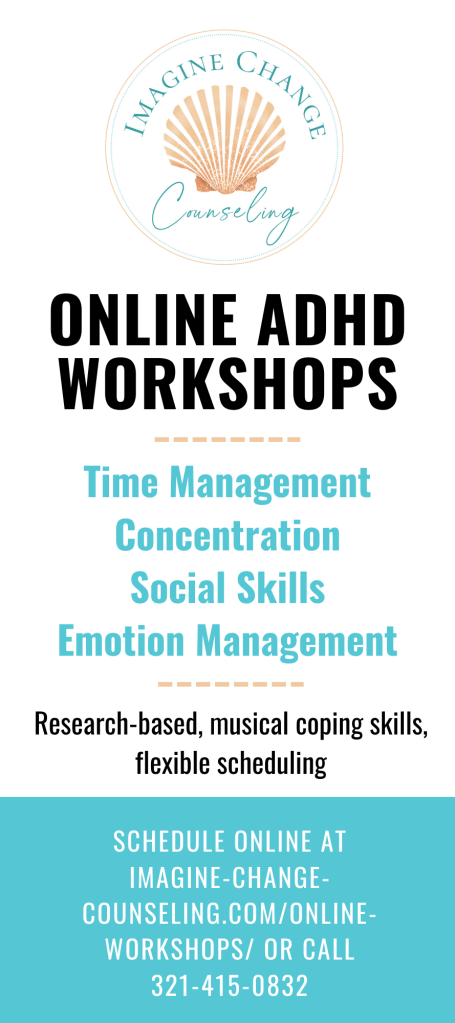
online-workshops-for-adhd
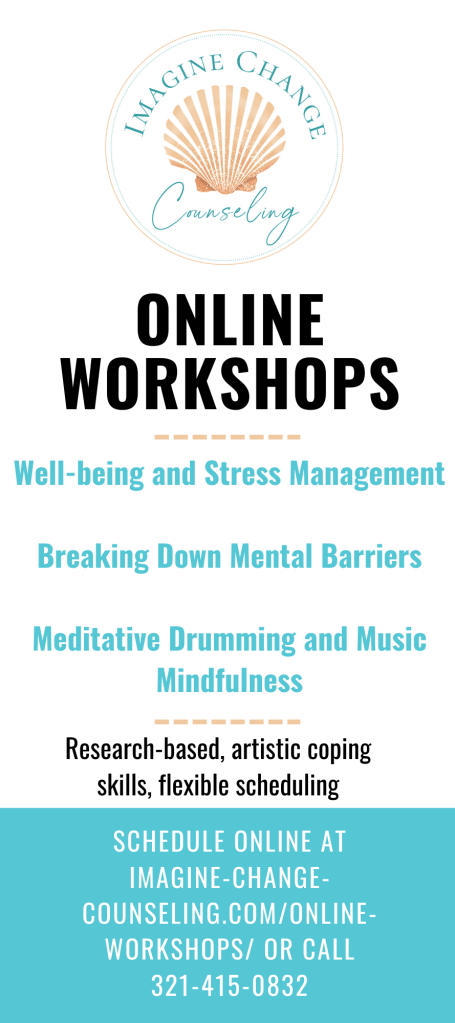
online-workshops-for-well-being-and-stress-management

Contact Me in 4 Easy Ways (for therapy):

Imagine Change Counseling, LLC

  • Click the yellow “Book Online” button above for your free 15 minute phone consultation 
  • If you have insurance, schedule the call through Headway
  • Fill out the form below for your call (I’ll contact you by secure voice and/or text to schedule our consultation time) 
  • Call me at 321-415-0832 

***Must be living in Florida to receive my therapy services. It’s OK if your permanent address is in another state and you attend college in Florida!

Go back

Your message has been sent

Warning
Warning
Warning
Warning.

If you need immediate assistance, please call 911 or call/text with the Suicide and Crisis Lifeline at 988. For LGBTQIA+ specific support, visit https://www.thetrevorproject.org/.

Copyright © 2024 Imagine Change Counseling, LLC. All rights reserved.

The Gift of Mental Health During the Holidays

red-gold-white-gifts-for-holidays

The holiday season is often depicted as a time of joy, merriment, and togetherness. However, beneath the veneer of festive cheer, it’s common to encounter a mix of emotions that can sometimes be overwhelming. As a psychotherapist dedicated to supporting your mental well-being, I understand that this time of year can bring up many feelings and situations that may impact your mental health. Whether it’s family dynamics, increased stress, altered routines, or the pressure to feel joyful when you’re not, recognizing and managing these emotions is crucial for maintaining your mental equilibrium. I want to help you with the greatest gift of all…mental health. Hey, it’s a gift you can give to yourself after all.

Identifying Mental Health Blocks

Let’s start with identification of your concerns. You know, the ones that may be stopping your from giving that gift to yourself. It’s essential to introspect and recognize signs that you might be struggling, so ask yourself these questions:

Physical Symptoms:

  • Am I experiencing changes in appetite, sleep patterns, or energy levels?
  • Do I feel fatigued or excessively tired despite resting?
  • Are there unexplained physical symptoms like headaches or stomachaches?

Emotional Indicators:

  • Am I feeling more irritable, anxious, or sad than usual?
  • Am I withdrawing from social interactions or feeling lonely?
  • Am I overly critical of myself or experiencing a loss of interest in activities I usually enjoy?

Spiritual and Other Areas of Concern:

  • Am I struggling to find meaning or purpose during this season?
  • Do I feel disconnected from my beliefs or values?
  • Am I overwhelmed by the pressures of gift-giving or social expectations?

Sprinkling In Healthy Coping Skills

When facing family stress, fatigue, or disruptions in sleeping and eating patterns, integrating in healthy coping skills and self-care is pivotal. Here’s ten (gift) ideas for you:

  1. Establish Boundaries: Set limits on commitments and prioritize self-care. It’s okay to say no to certain events or activities if they drain your energy.
  2. Practice Mindfulness: Engage in mindfulness exercises like meditation, deep breathing, or yoga to anchor yourself in the present moment and alleviate stress.
  3. Maintain Routines: As much as possible, stick to regular sleep and meal schedules. Consistency can provide stability during chaotic times. I know it’s tempting to indulge or skimp on sleep, but trust me on this tip!
  4. Seek Support: Reach out to friends, support groups, or a mental health professional if you’re feeling overwhelmed. Talking to someone can alleviate your burden.
  5. Move Your Body: Physical activity can be a great stress reliever. Engage in activities you enjoy, whether it’s a brisk walk, dancing to your favorite tunes, or trying a new workout routine. Moving your body can uplift your mood and energy levels.
  6. Set Realistic Expectations: It’s easy to get caught up in the ‘perfect holiday’ ideal. Instead, focus on what’s achievable and meaningful for you. Embrace imperfections and adjust your expectations to reduce unnecessary stress.
  7. Create Meaningful Rituals: Establishing personal rituals or traditions can ground you during this season. Whether it’s lighting candles, journaling gratitude, or volunteering, these rituals can add a sense of purpose and connection.
  8. Limit Screen Time: Reduce exposure to social media or any content that exacerbates stress or comparison. Set boundaries (that word again!) around screen time to protect your mental well-being.
  9. Practice Gratitude: Take time to reflect on what you’re grateful for. Amidst the chaos, acknowledging and appreciating the positives in your life can uplift your spirits.
  10. Engage in Hobbies: Carve out time for activities you love. Whether it’s painting, playing an instrument, or crafting, engaging in hobbies can provide a much-needed break from holiday pressures.

Remember, self-care isn’t selfish; it’s a crucial aspect of maintaining mental and emotional well-being. Incorporate these strategies into your life to navigate the holiday season with greater ease and resilience. Taking care of yourself allows you to show up fully for yourself and those around you.

Need More Help? Your Year-Round Solution

Accessing therapy remotely (telehealth, online) offers convenience and flexibility, allowing you to seek help anytime, anywhere in your state. Particularly during the holiday season, when traditional appointments might be challenging to schedule, telehealth ensures continuous support.

Benefits of Telehealth Any Time of Year:

  • Accessibility: Receive professional support without geographical constraints or commuting hassles. You can have sessions in your car if you want!
  • Flexibility: Schedule sessions that fit your busy holiday schedule. Work breaks, lunch time, and avoiding a commute to instead have therapy are possible with telehealth.
  • Comfort: Engage in therapy from the comfort and privacy of your own environment. No cold and unfamiliar rooms for you!
  • Consistency: Maintain your mental health routine even amidst the holiday rush. This helps with that other word above…routine.

You Can Do It

Remember, your mental health matters every day, especially during the holidays. Prioritizing self-care and seeking help when needed are essential steps toward safeguarding your well-being. If you’re feeling overwhelmed, know that support is available.

Reach out to me today to learn more about how I can assist you in prioritizing your mental health if you live in Florida (even while in college from another state). My specialties include anxiety and stress management, attention-deficit/hyperactivity disorder (ADHD) management, academic struggles assistance, self-esteem help, and personal development. I also have quick and easy 30 minute workshops you can take online no matter where you live in the US. These workshops include help for ADHD, well-being, and stress management.

Hope to talk to you soon and hope you feel hopeful from your new tips!

Contact Me in 4 Easy Ways:

Imagine Change Counseling, LLC

  • Click the yellow “Book Online” button above for your free 15 minute phone consultation 
  • If you have insurance, schedule the call through Headway
  • Fill out the form below for your call (I’ll contact you by secure voice and/or text to schedule our consultation time) 
  • Call me at 321-415-0832 

***Must be living in Florida to receive my therapy services. It’s OK if your permanent address is in another state and you attend college in Florida!

Go back

Your message has been sent

Warning
Warning
Warning
Warning.

If you need immediate assistance, please call 911 or call/text with the Suicide and Crisis Lifeline at 988. For LGBTQIA+ specific support, visit https://www.thetrevorproject.org/.

Copyright © 2023 Imagine Change Counseling, LLC. All rights reserved.
Holiday Blues vs Depression and How to Cope

blue-lights-blurred

As the festive season rolls around, it’s supposed to be all about joy, celebration, and making merry memories. But for many young adults, this time of year can sometimes bring about a different tune – the holiday blues. Sometimes underlying depression surfaces. Let’s talk about both and how to cope.

What Are Holiday Blues?

Imagine feeling a bit down or having a lingering sense of sadness amid the glittering lights and cheerful tunes. That’s the holiday blues in a nutshell. And for young adults, this experience can be amplified, especially if the family environment isn’t the warm and cozy haven it’s meant to be.

When home doesn’t feel like the sanctuary it should, the holiday blues can hit harder. Whether it’s tension among family members, the absence of loved ones, or simply feeling disconnected from the holiday spirit, these blues can sneak up on you when you least expect it. And going home from college for a few weeks to a month can be torturous for some young adults, especially if not accepted for your lifestyle, identity, or just not being understood.

Signs You Might Be Struggling

Ask yourself:

  1. Are your feelings of sadness or isolation persistent?
  2. Do you find it challenging to enjoy activities you usually love during the holidays?
  3. Are you withdrawing from friends and family?
  4. Do you notice changes in your eating or sleeping patterns?

If these feelings and changes persist for more than a couple of weeks, it might mean more than experiencing the holiday blues (which is short term) and it might be time to seek additional support. You’re not alone, and there are ways to navigate these emotions. Let’s talk about how to differentiate between the holiday blues and depression.

What Is Depression?

Depression is more than feeling down in the dumps during the holidays. It’s a mental health condition characterized by persistent feelings of sadness, hopelessness, or emptiness. Symptoms of depression can affect various aspects of your life, including your mood, thoughts, and physical health.

Symptoms of Depression

Here are some common signs and symptoms of depression:

  1. Persistent Sadness: Feeling down most of the day, nearly every day.
  2. Loss of Interest: Losing interest or pleasure in activities you once enjoyed.
  3. Changes in Appetite or Weight: Significant changes in appetite leading to weight loss or gain.
  4. Sleep Disturbances: Trouble sleeping or sleeping excessively.
  5. Fatigue or Loss of Energy: Feeling tired, sluggish, or lacking energy.
  6. Feelings of Worthlessness or Guilt: Persistent feelings of worthlessness or excessive guilt.
  7. Difficulty Concentrating: Trouble focusing, making decisions, or remembering things.
  8. Physical Aches and Pains: Experiencing unexplained physical aches and pains.

Distinguishing Between the Holiday Blues and Depression

While the holiday blues are typically temporary and linked to the specific time of year with some symptoms above, depression tends to linger and affects your day-to-day functioning (school, work, social, home). It’s essential to pay attention to the intensity and duration of your feelings.

The holiday blues might make you feel a bit low, but if these feelings persist for weeks or months and interfere with your ability to enjoy life or carry out daily tasks, it could be depression.

Tips for Coping at the Holidays

Here are a few tips and strategies to help you cope at the holidays:

  1. Acknowledge Your Feelings: It’s okay not to feel festive all the time. Allow yourself to feel what you feel without judgment.
  2. Stay Connected: Reach out to friends, even virtually. Connection is crucial, especially when you’re feeling down.
  3. Create Your Own Traditions: If the usual holiday traditions don’t resonate with you, create new ones that bring you joy.
  4. Practice Self-Care: Take time for yourself. Engage in activities that soothe and recharge you, whether it’s meditation, exercise, or reading.
  5. Consider Therapy: Sometimes, professional help can be incredibly beneficial. Therapy offers a safe space to explore your emotions and develop coping strategies.

It’s Okay to Ask for Support

If you recognize symptoms in yourself or someone you care about and coping skills on your own aren’t enough, it’s essential to seek professional help. Depression is treatable, and reaching out for support is a courageous step towards healing.

Why Telehealth is an Ideal Solution

Telehealth has emerged as a game-changer in mental health support. And guess what? It’s an ideal solution, especially during the busy holiday season.

Imagine being able to access therapy from the comfort of your own space, without the hassle of commuting or scheduling conflicts. Telehealth offers convenience without compromising the quality of care. Plus, it’s confidential and secure, ensuring your privacy.

Explore Your Options

If you find yourself struggling with the holiday blues, depression, or any mental health issues, take that courageous step. Reach out, explore therapy options in your state (I’m taking Florida clients as we speak!), and prioritize your well-being. Your mental health matters, and you deserve the support you need.

I specialize in supporting young adults like you through difficult times. Reach out today to learn more about how I can support you through telehealth sessions and personalized care. I also offer online workshops for other concerns, so check them out.

Remember, you’re not alone in this. Let’s work together to make this holiday season a more peaceful and joyful time for you.

Contact Me in 4 Easy Ways:

Imagine Change Counseling, LLC

  • Click the yellow “Book Online” button above for your free 15 minute phone consultation 
  • If you have insurance, schedule the call through Headway
  • Fill out the form below for your call (I’ll contact you by secure voice and/or text to schedule our consultation time) 
  • Call me at 321-415-0832 

***Must be living in Florida to receive my therapy services. It’s OK if your permanent address is in another state and you attend college in Florida!

Go back

Your message has been sent

Warning
Warning
Warning
Warning.

Also, take a glance at my online workshops to see if any would be helpful for your concern.

If you need immediate assistance, please call 911 or call/text with the Suicide and Crisis Lifeline at 988. For LGBTQIA+ specific support, visit https://www.thetrevorproject.org/.

Copyright © 2023 Imagine Change Counseling, LLC. All rights reserved.
Mental Health During College Finals: Your Guide to Self-Care and Support

college-student-with-books-and-backpack

Hey college students! As the semester draws to a close, the air is buzzing with anticipation, stress, and, let’s face it, a bit of panic. Finals week is on the horizon, and for many of you, it may feel like a whirlwind of assignments, exams, and sleepless nights. Amidst this frenzy, it’s crucial to shine a spotlight on your mental health. College finals come with a unique set of challenges that can take a toll on your well-being. So, let’s talk about navigating this intense period while prioritizing our mental health.

Challenges During College Finals

First off, let’s acknowledge the elephant in the room: the pressure cooker of college finals. The weight of expectations, looming deadlines, and the desire to excel can skyrocket stress levels. The sheer volume of material to cover might make you feel overwhelmed, leading to anxiety and burnout. Sleep patterns may go haywire, diets may become erratic, and social connections might take a backseat.

Amidst these challenges, it’s essential to remember that your mental health matters. Ignoring it during this time can exacerbate stress and impact your performance. But fear not! There are ways to face this storm while taking care of yourself.

Tips for Self-Care During Finals:

  1. Prioritize Self-Compassion: Be kind to yourself. Acknowledge that you’re doing your best, and it’s okay not to be perfect. Self-compassion can alleviate the pressure you’re putting on yourself.
  2. Manage Time Effectively: Break down your study schedule into manageable chunks. Set specific goals for each study session to avoid feeling overwhelmed.
  3. Stay Active and Eat Well: Physical health impacts mental well-being. Take breaks to move your body and fuel it with nutritious food to sustain your energy levels.
  4. Get Enough Sleep: Yes, it’s tempting to pull an all-nighter, but your brain needs rest to function optimally. Aim for consistent sleep patterns to enhance your cognitive abilities.
  5. Connect with Supportive Peers: Share your feelings and experiences with friends or family members. Sometimes, just talking about the stress can lighten the load.

Strategies for Coping:

I love using Cognitive Behavioral Therapy (CBT) in my therapy work. Incorporating CBT and other strategies into your routine can significantly alleviate the stress and anxiety associated with college finals. Here’s a few to try:

  1. Identify and Challenge Negative Thoughts: Pay attention to negative self-talk like “I’ll fail” or “I can’t handle this.” Challenge these thoughts by asking yourself for evidence supporting or contradicting them.
  2. Practice Relaxation Techniques: Deep breathing, progressive muscle relaxation, or mindfulness exercises can help reduce stress and improve focus.
  3. Use Behavioral Activation: Break tasks into smaller, manageable parts. Set achievable goals and reward yourself upon completion. This technique boosts motivation and reduces feelings of being overwhelmed.
  4. Develop Positive Self-Talk: Replace negative thoughts with positive affirmations. Instead of “I can’t do this,” try “I’ve prepared well, and I’ll do my best.”

Why Telehealth Counseling Matters

During high-stress times like college finals, seeking professional support can be a game-changer. Telehealth counseling offers a convenient and effective solution. Here’s why it’s an ideal option:

  1. Accessibility: Telehealth breaks geographical barriers, allowing you to access therapy from anywhere. No need to worry about transportation or location constraints.
  2. Flexible Scheduling: With telehealth, counseling sessions can be scheduled to fit your busy college finals schedule. You can connect with a therapist at a time that works for you.
  3. Comfort and Privacy: You can engage in therapy from the comfort of your dorm room, apartment, or even your car, maintaining privacy and creating a familiar environment for your therapy time.
  4. Varied Options: Telehealth offers a range of therapeutic approaches and counselors, ensuring you find the right fit for your needs.

I Can Help

If you’re feeling overwhelmed during college finals or want to explore how counseling can support your mental health journey in general, I’m here to help. As a licensed psychotherapist specializing in supporting young adults through challenging times, I offer tailored telehealth counseling sessions if you live in Florida.

View my website to learn more about my services and schedule a free 15 minute consultation call. I also provide quick, 30 minute workshops to explore resources designed to help you navigate college stress while prioritizing your mental health (for anyone in the US). Remember, taking care of your well-being is not just important; it’s essential.

College finals can be a ride of emotions, but remember, you’re not alone in this. Prioritizing your mental health during this period will not only help you navigate the academic challenges but also set the stage for a healthier approach to future stressors. Practice self-care, reach out for support when needed, and remember, your well-being matters. You’ve got this!

Contact Me in 4 Easy Ways:

Imagine Change Counseling, LLC
  • Click the yellow “Book Online” button above for your free 15 minute phone consultation 
  • If you have insurance, schedule the call through Headway
  • Fill out the form below for your call (I’ll contact you by secure voice and/or text to schedule our consultation time) 
  • Call me at 321-415-0832 

***Must be living in Florida to receive my therapy services. It’s OK if your permanent address is in another state and you attend college in Florida!

Go back

Your message has been sent

Warning
Warning
Warning
Warning.

Also, take a glance at my online workshops to see if any would be helpful for your concern.

If you need immediate assistance, please call 911 or call/text with the Suicide and Crisis Lifeline at 988. For LGBTQIA+ specific support, visit https://www.thetrevorproject.org/.

Copyright © 2023 Imagine Change Counseling, LLC. All rights reserved.

Managing Life’s Twists and Turns with Adjustment and Life Transitions Therapy

red-spiral-staircase-with-plants-in-background

Life is full of twists and turns, and we often find ourselves facing major adjustments and transitions that can be both exciting and challenging. Whether it’s moving to college, graduating, starting a new job, changing careers, experiencing relationship shifts, or moving to a new place, these moments in life can bring a mix of emotions and uncertainties. As a young adult, you may be in the midst of one or more of these adjustments, and it’s essential to recognize that seeking help and support is a sign of strength. In this blog post, I’ll explore how adjustment and life transitions therapy can be a valuable resource for young adults during these critical periods. I’ll also discuss how therapy can help you manage stress, offer tips for finding therapy in your state, and delve into the benefits of telehealth as a flexible mode of therapy.

Understanding Adjustment and Life Transitions Therapy

Adjustment and life transitions therapy is a specialized form of psychotherapy that aims to help individuals cope with significant life changes and the associated stressors. This type of therapy can provide young adults with the tools and strategies they need to navigate the challenges and uncertainties that come with major life adjustments. It’s normal to feel overwhelmed, anxious, or even lost during such transitions, but therapy can provide the guidance and support needed to ease the journey.

How Therapy Can Help During Life Transitions

Life transitions, such as the examples mentioned earlier, can bring about a wide range of emotions and stressors. Here’s how therapy can be beneficial:

  1. Emotional Support: During significant life changes, it’s common to experience heightened emotions and stress, and sometimes even physical responses such as a racing heart. A therapist can provide a safe space for you to express your feelings, fears, and concerns without judgment.
  2. Coping Strategies: Therapists can equip you with effective coping strategies to manage stress, anxiety, depression, and any other issues that arise which can be triggered by life transitions. Learning to handle these emotions can greatly improve your overall well-being.
  3. Decision-Making: Transition periods often require important decisions. Therapy can assist you in making informed and balanced choices, reducing the uncertainty associated with these decisions.
  4. Building Resilience: Life transitions can be seen as an opportunity for personal growth and resilience. A therapist can help you harness these experiences for self-improvement and development.
  5. Communication Skills: In the context of relationship changes, therapy can improve your communication and social skills, aiding in resolving conflicts and maintaining healthy relationships.

Finding the Right Therapist in Your State

If you’re considering adjustment and life transitions therapy, it’s essential to find the right therapist for your needs. Here are some tips to help you in your search:

  1. Seek Referrals: Ask friends, family, or colleagues for recommendations. Personal referrals can be a valuable way to find a therapist who aligns with your needs.
  2. Online Directories: Numerous online directories and platforms allow you to search for therapists in your state, offering detailed profiles and areas of specialization. I’m listed in Psychology Today and GoodTherapy.org, to name a few reputable directories you can view.
  3. Insurance Coverage: If you have health insurance, check your provider’s website for a list of covered (in network) therapists in your area. Also, therapists will often list the insurance they take on their website and in directories.
  4. Professional Associations: Many states have professional associations for therapists. They often provide directories of licensed professionals. For example, I’m listed on the National Certified Counselors directory.
  5. Consultation: Most therapists offer a free initial consultation. Us therapists want to make sure we’re a good fit for each other. Take advantage of this to get a sense of whether you feel comfortable and supported by the therapist.

Remember that finding the right therapist is a personal process. It’s crucial to choose someone with whom you feel comfortable, safe, and understood.

The Flexibility of Telehealth

In the digital age, therapy has evolved to become more accessible and convenient through telehealth services so I want to tell you a little about it. Telehealth, or online therapy, allows you to receive professional help from the comfort of your home. Here’s why it’s an attractive option for young adults facing life transitions:

  1. Convenience: Online therapy eliminates the need to travel to a physical office. This means no commute, no time lost in traffic, and more flexible scheduling to fit your busy life.
  2. Privacy: You can participate in therapy sessions from the privacy of your own space, which may make you feel more at ease and willing to open up.
  3. Accessibility: Telehealth opens up a broader range of therapists to choose from since you’re not limited to those in your immediate geographic area. You can find a therapist that truly meets your needs in your state.
  4. COVID-19 Considerations: The ongoing pandemic has highlighted the importance of remote services for health and well-being. Telehealth offers a safer health alternative during these uncertain times.
  5. Consistency: It can be easier to maintain a consistent therapy schedule when you don’t have to factor in travel time.

A Call to Action for You

If you’re a young adult navigating the complexities of life transitions, remember that seeking help is a courageous and wise choice. Adjustment and life transitions therapy can provide you with the support and guidance you need to face these changes with confidence.

I specialize in this type of therapy and am here to assist you on your journey, including telehealth sessions and online workshops (only Florida residents for therapy with me but anyone in the USA for the workshops!). My online workshops on well-being and stress management are designed with young adults in mind, and they can provide you with valuable tools for coping during these pivotal life moments.

Don’t hesitate to reach out and learn more about the services I offer. Together, we can navigate the path of life transitions, making it a journey of growth, resilience, and self-discovery. Remember, you’re not alone, and there is help available to make your journey smoother and more fulfilling.

To learn more about the services I offer or to book a phone consultation, use one of these three easy methods: call me at 321-415-0832, fill out the email form below and we’ll set up a 15 minute free consultation call, or click the “Book Online” button and schedule the call yourself. 

Imagine Change Counseling, LLC

Go back

Your message has been sent

Warning
Warning
Warning
Warning.

If you need immediate assistance, please call 911 or call/text with the Suicide and Crisis Lifeline at 988. For LGBTQIA+ specific support, visit https://www.thetrevorproject.org/.

Copyright © 2023 Imagine Change Counseling, LLC. All rights reserved.

Do I Need Therapy? A Guide for Young Adults

do-i-need-therapy-inspirational-sign-on-table

Welcome, young adults! Life can be a rollercoaster ride, full of ups and downs. While many of us navigate these twists and turns successfully, there are times when we find ourselves struggling to cope with life’s challenges. That’s where therapy comes into play. In this blog article, I’ll explore what therapy is, why people seek it, and help you identify if therapy might be right for you.

What is Therapy?

Therapy, often referred to as counseling or psychotherapy, is a collaborative process that involves working with a trained mental health professional to address emotional, behavioral, or psychological issues. It provides a safe and confidential space for individuals to explore their thoughts, feelings, and behaviors. The primary goal of therapy is to improve overall well-being and help individuals live more fulfilling lives.

Why Do People Seek Therapy?

People seek therapy for a wide range of reasons, and it’s essential to understand that seeking therapy is a sign of strength, not weakness. Here are some common reasons why individuals decide to start therapy:

  • Emotional Distress: Feelings of sadness, anxiety, anger, or overwhelming stress can become too much to handle alone.
  • Life Transitions: Major life changes such as moving, starting college, or ending a relationship can be emotionally challenging.
  • Relationship Issues: Struggles in relationships, whether with a partner, family, or friends, can lead to emotional distress.
  • Trauma and Grief: Experiencing a traumatic event or dealing with grief and loss can have a profound impact on mental well-being.
  • Self-Exploration: Some individuals seek therapy to better understand themselves, their goals, and their values.

Now, let’s dive into some questions you can ask yourself to determine if you might benefit from therapy.

Questions to Ask Yourself: Do I Need Therapy?

  1. Are my emotions overwhelming me? Do you often feel sad, anxious, or angry to the point where it interferes with your daily life? Are there times when you struggle to manage your emotions, leading to impulsive or risky behaviors?
  2. Am I experiencing persistent negative thoughts? Do you find yourself stuck in a cycle of self-criticism, self-doubt, or negative self-talk? Are these thoughts affecting your self-esteem and self-worth?
  3. Do I have trouble coping with life’s challenges? Are you finding it difficult to adapt to significant life changes or transitions? Do you feel overwhelmed by stress and unable to manage it effectively?
  4. Are my relationships causing distress? Are conflicts with friends, family, or romantic partners causing you significant emotional pain? Do you struggle with communication or setting boundaries in your relationships?
  5. Have I experienced trauma or loss? Have you been through a traumatic event, such as an accident, abuse, or a natural disaster? Are you grieving the loss of a loved one, and finding it hard to move forward?
  6. Am I lacking a sense of direction or purpose? Do you feel lost or uncertain about your goals, values, or identity? Are you seeking greater self-awareness and personal growth?

If you answered “yes” to any of these questions, it might be an indication that therapy could be beneficial for you. Seeking help early can prevent issues from worsening and lead to improved emotional well-being.

How to Find Therapy in Your State

Now that you’ve considered whether therapy might be right for you, the next step is finding a therapist who can provide the support you need. Here’s how to get started:

  1. Ask for Recommendations: Reach out to friends, family, or trusted individuals who have had positive therapy experiences. They may be able to recommend a therapist.
  2. Check with Your Insurance: If you have health insurance, check your provider’s website or call their customer service to find out which therapists are covered under your plan.
  3. Online Directories: There are online directories, such as Psychology Today or TherapyDen, that allow you to search for therapists in your area based on your specific needs.
  4. Telehealth Options: Consider telehealth as a convenient and accessible option. Many therapists offer remote sessions via video calls, making it easier to access mental health care from the comfort of your home.

Why Telehealth Is a Great Option

Let’s dive into why telehealth should be on your radar.

  1. Convenience at Your Fingertips

Picture this: you’re curled up on your couch, in your comfiest PJs, sipping on your favorite tea. With telehealth, you can access therapy sessions from the comfort of your own space. No need to rush to an office or worry about traffic. It’s all about convenience, and it’s tailor-made for the busy lives of young adults.

  1. No Stigma, No Judgement

Telehealth offers a level of privacy that traditional in-person therapy might not. You can have your session discreetly, without the fear of running into someone you know in the waiting room. This can be a game-changer for those who might be hesitant to seek help due to societal stigma.

  1. Flexible Scheduling

Juggling work, social life, and personal commitments can be tough. Telehealth offers flexible scheduling options. You can find a time that suits you, whether it’s during lunch breaks or late evenings. Your mental health shouldn’t take a backseat, and telehealth ensures it doesn’t have to.

  1. Access to a Variety of Therapists

One size doesn’t fit all when it comes to therapy. With telehealth, you have a broader pool of therapists to choose from, including specialists who may not be available in your local area. Finding the right therapist for you just got a whole lot easier.

  1. Cost-Effective

Let’s face it; being a young adult often means budget constraints. Telehealth sessions tend to be more affordable than traditional therapy because of no travel or time lost at work, saving you both time and money.

In conclusion, young adults, don’t underestimate the power of telehealth. It’s a convenient, stigma-free, flexible, and cost-effective way to prioritize your mental health. Embrace this modern approach to therapy, and you’ll be taking a significant step towards a healthier, happier you.

Take the First Step

Remember, seeking therapy is a courageous step toward self-improvement and mental well-being. If you’re still wondering, “Do I need therapy?” it’s worth exploring further.

I specialize in anxiety, ADHD, academic concerns, self-esteem, and personal development areas such as career, spirituality, and identity. If any of these resonate with you, I invite you to learn more about my services if you live in Florida. And I take many insurances, so reach out and we’ll move you in the right direction. Together, we can work towards a happier, healthier, and more fulfilling life.

If you have any questions or would like to schedule an appointment, please feel free to fill out my online form on any of my website pages or call 321-415-0832. Have insurance? Use this link to schedule a call through Headway.

Remember, you’re not alone on this journey, and seeking help is a sign of strength. Take care of yourself, and I look forward to supporting you on your path to well-being.

***Hit Follow below to stay up to date with every blog.***

Copyright © 2023 Imagine Change Counseling, LLC. All rights reserved.