
Starting Therapy with Success

two-hands-holding-cones-with-avocados-pink-background

Continuing the Journey from “Is Therapy For Me?” (last week’s post)

Welcome back, readers! Last week, we delved into the crucial aspects of deciding whether therapy is the right path for you in my blog titled “Is Therapy For Me?” We explored the nuances of recognizing when it’s time to seek therapy, addressing concerns about entering therapy, understanding the benefits, exploring types of therapy, and finding the best therapist fit. Today, we’re taking the next step on your therapeutic journey. This post is all about getting started successfully, ensuring that you embark on this path with confidence and purpose. So, let’s go!

Ways to Find Therapists

Before you start the process of finding the right therapist, it’s important to know where to look. Here are three effective ways:

  1. Word of Mouth: Personal recommendations can be gold. Reach out to friends, family, or colleagues who have had positive experiences with therapists. Their insights can guide you toward therapists who may be a good fit for you, but remember, just because someone is good for one person doesn’t mean they’ll be good for another. You know how you can be similar to friends, yet so different? Think of it like that. YOU need your best fit.
  2. Online Databases: Numerous online platforms curate lists of therapists, complete with profiles and reviews. Websites like Psychology Today can help you explore a variety of therapists and their specialties. And as for reviews, sometimes it can make or break your decision, so take a second to read them, even on general sites like Google because you never know where someone left their thoughts.
  3. Insurance: If you have health insurance, check their provider directory (usually under “behavioral health”). This can narrow down your options based on therapists who accept your insurance (in your state), making the financial aspect more manageable.

Now you may have 2-3 good therapist leads. So what do you do next?

How Therapists May Begin: A Variety of Approaches

Once you’ve compiled a list of potential therapists, the next step is reaching out. Therapists often initiate the process in several ways:

  1. Consultation Call: Some therapists offer a free initial consultation call. This is an opportunity for you to briefly discuss your concerns, ask questions, and get a sense of the therapist’s approach and personality. It’s a taste of the therapeutic journey you may take together.
  2. Straight to Intake: Other therapists may prefer diving right into the intake process. This involves scheduling a full session (usually an hour) to gather detailed information about you, your history, and your current challenges. It’s a more immediate approach.
  3. Scheduling Online or by Phone: Many therapists provide the convenience of online scheduling or booking appointments over the phone. This can be a straightforward way to secure your first session without the need for a preliminary call. Sometimes you schedule the consultation call this way as well, which then leads to scheduling the intake session at a time and date agreed upon.

Make sense? OK, great. Let’s keep going.

Questions to Ask Yourself Before Your First Contact

Warning! This is a section you may want to save. Go on, cut and paste, snip ‘n stitch, screenshot…

Alright, let’s continue.

Preparing for your first therapy contact involves introspection. Ask yourself questions to gather your thoughts, like what your intent for therapy is (aka goals) and what makes you feel able to open up to someone.

  • Timing: Asking yourself why you’re seeking therapy right now is important. Sometimes a therapist may even ask you this when you speak. There’s a pressing reason, or a motivation, for reaching out to a therapist at this point in your life. The answer can be extremely helpful on your journey in therapy.
  • Specific Concerns: What issues do you want to address in therapy? Anything weighing on you for months or years? Something that just happened? Anywhere you feel stuck? How’s your life being affected (relationships, school, etc.)? Look for a therapist who specializes in your need.
  • Goals: What do you aim to achieve through therapy? Sometimes the intent is broad (feeling better) and sometimes specific (being able to focus on schoolwork for 1 hour).
  • Comfort Level: Are you comfortable with the gender, personality, or cultural background of your therapist? What mode of therapy do you prefer (online, in-person, group)? If in person, what’s your preferred location? What frequency of therapy do you want (weekly, biweekly, etc.)? What frequency can your budget allow?

Great stuff, huh?

Unlocking the Benefits of Online Therapy

Since I offer online therapy for Florida residents, I want to tell you more about the benefits of it, no matter what state you live in.

1. Convenience and Flexibility

Online therapy eliminates geographical constraints, allowing you to connect with a therapist from the comfort of your own space. Whether you’re at home, in the office, or even traveling (within state), therapy sessions become more flexible, accommodating your lifestyle and reducing the logistical hurdles of in-person appointments.

2. Access to a Diverse Pool of Therapists

One of the key advantages of online therapy is the ability to choose from a broad spectrum of therapists regardless of their physical location. This means you can find a therapist who not only specializes in your specific concerns but also aligns with your cultural background, language preferences, or unique needs.

3. Reduced Stigma and Increased Privacy

For some, the stigma associated with seeking therapy can be a barrier. Online therapy provides a level of privacy that traditional in-person sessions may not offer. The sessions can be conducted from the privacy of your own space, offering a sense of security and reducing the fear of being seen entering a therapist’s office.

4. Time and Cost Efficiency

Online therapy often comes with cost savings compared to traditional therapy. With no need for commuting or additional expenses related to an office setting, you can allocate your resources more efficiently. Additionally, the time saved from travel can be invested directly into self-care or other commitments.

5. Consistent Support, Anytime, Anywhere

Life doesn’t adhere to a 9-to-5 schedule, and neither do the challenges we face. Online therapy provides the flexibility to connect with your therapist during evenings or weekends, ensuring consistent support when you need it most. This accessibility can be a game-changer for those with unpredictable schedules or time zone differences.

6. Comfort and Familiarity

Being in your own environment during therapy can foster a sense of comfort and familiarity. This relaxed setting can encourage open and honest communication, allowing you to delve deeper into your thoughts and emotions without the potential distractions or discomfort associated with a new and unfamiliar office space.

See, the benefits online therapy offers make it a valuable option for young adults seeking a convenient and effective path to personal growth and well-being. As you consider your therapeutic journey, exploring the possibilities of online therapy may open new doors to success and self-discovery.

Your Journey Begins Here

Embarking on the therapeutic journey is an empowering step. By asking the right questions and actively seeking a therapist who aligns with your needs, you’re setting the stage for a transformative experience. Remember, therapy is a collaborative process, and finding the right fit is key to its success.

I hope this post helped you and maybe a friend (I always want my posts shared so spread the knowledge!). If you’re ready to take the next step for your successful future or have additional questions about the therapeutic process, I’m here to help. Explore my services and let’s start this journey together.

Contact Me in 4 Easy Ways (for therapy):

Imagine Change Counseling, LLC

  • Click the yellow “Book Online” button above for your free 15 minute phone consultation 
  • If you have insurance, schedule the call through Headway
  • Fill out the form below for your call (I’ll contact you by secure voice and/or text to schedule our consultation time) 
  • Call me at 321-415-0832 

***Must be living in Florida to receive my therapy services. It’s OK if your permanent address is in another state and you attend college in Florida!

Go back

Your message has been sent

Warning
Warning
Warning
Warning.

If you need immediate assistance, please call 911 or call/text with the Suicide and Crisis Lifeline at 988. For LGBTQIA+ specific support, visit https://www.thetrevorproject.org/.

Copyright © 2024 Imagine Change Counseling, LLC. All rights reserved.

Is Therapy for Me?

laptop-on-desk-with-open-notebook

Deciding whether therapy is the right path for you is no simple task. The journey to seeking help for mental health concerns is often shrouded in uncertainty and contemplation. As a young adult, life is rife with transitions, challenges, and self-discovery, making the decision to pursue therapy a pivotal moment. In this blog post, I’ll explore the intricacies of this decision-making process, addressing key topics to guide you through the maze of considerations.

Is It Time to See a Therapist?

The first step in deciding whether to have therapy is recognizing when it might be time. Therapy is not reserved for crises alone; it’s a proactive tool for improving overall well-being. Here’s some examples for you to consider.

  1. Persistent Feelings of Overwhelm: If you find yourself consistently overwhelmed by life’s demands and unable to cope effectively, therapy can provide tools to manage stress and build resilience.
  1. Decline in Quality of Life: A noticeable decline in your overall quality of life, affecting various aspects such as work, relationships, or personal well-being, may indicate the need for therapeutic support.
  1. Difficulty Coping with Concerns: When coping with a particular concern consumes a significant amount of your time and mental energy, therapy can offer constructive strategies to manage and navigate these challenges.
  1. Changes in Sleep Patterns or Appetite: Noticeable disruptions in sleep or changes in appetite can be signs of emotional distress. Therapy can help explore the root causes and develop coping mechanisms.
  1. Intense or Prolonged Emotional States: If you experience intense emotions like sadness, anxiety, or anger that persist over an extended period, therapy can provide a supportive space to explore and manage these emotions.
  1. Lack of Enjoyment in Previously Enjoyable Activities: If activities that once brought joy or fulfillment now seem uninteresting or unfulfilling, therapy can help uncover and address the underlying factors contributing to this shift.
  1. Negative Thought Patterns: Persistent negative thought patterns or self-talk can impact your self-esteem and overall mental well-being. Therapy can assist in challenging and reframing these thoughts.
  1. Feeling Stuck or Unfulfilled: If you feel stuck in life, unable to make decisions or find fulfillment, therapy can offer guidance in exploring your values, goals, and aspirations.

Possible Concerns About Seeing a Therapist

Concerns about therapy is natural. Common worries include the fear of being judged, the stigma surrounding mental health (especially due to your culture and family messages), or concerns about the therapeutic process itself. It’s essential to understand that therapy is a collaborative and confidential space where you can explore your thoughts and emotions without judgment. Addressing these concerns openly with a potential therapist is a vital part of the therapeutic journey. Here’s more for you to consider, with a little help to combat those worries.

  1. Uncertainty About the Therapeutic Process: Concern: Not knowing what to expect during therapy sessions or how the process works. Help: Discussing the therapeutic process with the therapist during initial sessions and asking questions to gain clarity. I offer information about my process on my website and talk to the client in my free consultation call about what to expect with me.
  1. Vulnerability and Opening Up: Concern: Feeling vulnerable about sharing personal thoughts and experiences with a stranger. Help: Building trust gradually with the therapist and understanding that therapy is a confidential and safe space.
  1. Perceived Weakness or Failure: Concern: Viewing therapy as an admission of weakness or failure. Help: Recognizing that seeking therapy is a proactive step towards personal growth and self-improvement…in other words, strength.
  1. Financial Considerations: Concern: Worries about the cost of therapy and whether it is a sustainable investment. Help: Exploring options such as insurance coverage, sliding scale fees, or discussing financial concerns openly with the therapist. I take insurance and even have a college student rate, for example.

Addressing these concerns openly can help demystify the therapy experience and alleviate apprehensions.

Benefits of Therapy

Let’s get to the good stuff! Therapy offers a lot of benefits, extending beyond addressing immediate concerns. Here’s a few of the many benefits.

Transformative Outcomes Include:

  • Improved self-awareness: Understanding your thoughts and emotions on a deeper level.
  • Enhanced coping strategies: Developing effective ways to deal with life’s challenges.
  • Healthier relationships: Improving communication skills and fostering meaningful connections.
  • Overall well-being: Gaining tools for a more fulfilling and balanced life.

Therapy offers a space for personal growth and positive change beyond immediate concerns.

Types of Therapy

Therapy comes in various forms, each catering to different needs and preferences. From cognitive-behavioral therapy (CBT) to psychodynamic therapy, understanding the nuances of each can help you choose what aligns best with your goals. Each approach has its pros and cons; some may focus on short-term problem-solving, while others delve deeper into underlying issues. It’s about finding the right fit for you.

Search “types of therapy” and see what feels right for you, then look for therapists who work from those models. Most therapists integrate a few theories, however. For example, my basis is CBT but I also use a few other theories like Expressive Arts Therapy (using art and music). Understanding therapy types allows you to choose a method that aligns with your preferences and goals.

Finding the Right Therapist

This leads to finding a great fit. The right therapist is a crucial aspect of the therapeutic process. If you’ve had a less-than-ideal experience in the past, don’t be discouraged; each therapist is unique.

Tips for a Successful Search:

  • Consider your preferences: Gender, therapeutic approach, specialization. Be open to those you haven’t experienced but always go with your preference and your gut. Ah, yet another reason that consultation call is important!
  • Utilize online platforms, referrals, or directories to explore potential therapists. You can view therapists in many ways. A favorite of mine is Psychology Today. Look at reviews on Google as well!
  • Don’t be discouraged by past experiences; each therapist is unique. Seriously, I promise. I’ve even had a, let’s say, negative interaction for myself once. Thankfully, I knew there were great therapists out there and tried again. The next one was amazing!

Take the First Step Towards Your Well-being

I hope this post helps you with deciding whether therapy is right for you. It’s a personal journey, and it’s okay to take the time needed for this important decision.

If you’re interested in learning more about how I can support you on your journey, I invite you to explore my online individual therapy (just make sure you live in Florida). I also offer online workshops for a variety of needs, like stress management and ADHD.

Remember, your mental health matters, and seeking help is a sign of strength. Is therapy for you? The answer lies in your hands, and I’m here to support you every step of the way.

Contact Me in 4 Easy Ways (for therapy):

Imagine Change Counseling, LLC

  • Click the yellow “Book Online” button above for your free 15 minute phone consultation 
  • If you have insurance, schedule the call through Headway
  • Fill out the form below for your call (I’ll contact you by secure voice and/or text to schedule our consultation time) 
  • Call me at 321-415-0832 

***Must be living in Florida to receive my therapy services. It’s OK if your permanent address is in another state and you attend college in Florida!

Go back

Your message has been sent

Warning
Warning
Warning
Warning.

If you need immediate assistance, please call 911 or call/text with the Suicide and Crisis Lifeline at 988. For LGBTQIA+ specific support, visit https://www.thetrevorproject.org/.

Copyright © 2024 Imagine Change Counseling, LLC. All rights reserved.

Finding Simplicity This Year

green-leaves-in-water-in-vase-white-table-and-background

Embracing Simplicity in a Chaotic World

Life can often resemble a whirlwind in our fast-paced society. As young adults, navigating through the maze of responsibilities, relationships, and personal growth, it’s understandable to desire simplicity to finding peace and stability amidst the chaos, especially if you’re starting a new college semester this week.

Simplicity serves as an anchor to us, offering a sense of calm and balance. It’s about finding clarity amid the noise and allowing ourselves to prioritize what truly matters. So, how do we begin? I’m here to help get you started.

Assessing Your Desired Life: Reflective Questions for Clarity

Have you wondered if you’re living the life you want, the one that you envisioned long ago? Maybe it is, maybe it’s not at all, or maybe it’s in the middle, just needing adjustment. No matter where you are, there’s room for growth and change, as long as you want it and make effort. Here’s some starter questions for you in a simple (get it?) list.

  • What does an ideal life look like for you this year and beyond?
  • Now what’s realistic and towards that ideal?
  • How do you envision simplicity contributing to your peace and stability?
  • What activities or elements in your life currently cause stress or overwhelm?

Of course, you can brainstorm many more jumping off questions, but hopefully your wheels are turning…so let’s keep going.

Checking Alignment: Does Your Life Reflect Your Aspirations?

Reflect on your present life a little more now. Does it align with vision? Consider your relationships, career/major, personal growth, and hobbies. Do they resonate with your values and aspirations? How are your physical and mental health presently? Ah, that’s really important. Let’s look further into those aspects of your life.

Physical and Mental Well-being: Assessing Now and Setting Goals

Where do you stand in terms of physical and mental health today? Think of your energy level and feeling good vs weight for physical health.

  • Do you wake up feeling rested?
  • Are you able to sleep through the night?
  • Are you satisfied with your food choices throughout the day?
  • Do you have enough energy to be social? Do your hobby? Get through your list of responsibilities?

OK, so are you nurturing your well-being adequately? Envision it, with the addition of mental health now. Hey, we’re one whole person so we need to look at both (and can look at even more if we really wanted to dive in!). Here’s some mental health questions to ask yourself:

  • Are you spending time for yourself?
  • What’s your stress level?
  • Check on your mood- sadness, satisfaction, etc.
  • Is there a sense of burnout?

After taking these questions into consideration, what do you think? Are you on track for how you want your life to be? If not, how can you bridge the gap between your current status and your desired state? Read on!

Starting Small: Practical Steps Toward Simplicity

Simplicity thrives on small, achievable changes. Maybe you want to begin by decluttering your physical space (a tidy environment can foster mental clarity). Establish a daily routine that promotes balance, incorporating activities that bring joy and relaxation. How about making sure you do a morning skin care routine or take a short walk? Anything that works for you is what works. Try not to follow another person’s style. Be you.

You can also end your day with certain small activities. Maybe it’s integrating in mindfulness practices like meditation or a brief gratitude journaling session. Or embrace minimalism by consciously purchasing only what you need, reducing unnecessary clutter and stress. The possibilities and ideas are endless. But what you want to do most of all is be consistent.

Examples of Sustaining Simplicity: Making it Stick

Maintaining simplicity requires consistency. Identify habits or practices that support your quest for simplicity. Here’s some ideas:

  • Make a schedule- develop rewards when you stick to it
  • Set days for a digital detox- only allow yourself socials on 4 days a week, for example
  • Set boundaries in relationships- stay on track for no phone communication before 9 AM, for example (that can be YOUR time)
  • Have an accountability partner who’s also creating a simple life- check in every few days and talk about how you can better stay on track if needed

Creating a support system can also help. Surround yourself with like-minded individuals who value simplicity, sharing experiences and encouraging one another’s journey towards a more balanced lifestyle.

Why Telehealth is an Ideal Support System

You may want a little extra help to achieve the life of your dreams. Sometimes that means help from a mental health professional, like me. I offer telehealth, individual sessions online for Florida residents (even if you go to college in Florida but are from another state- you just have to live here/be here for sessions).

Telehealth offers a convenient solution to prioritize your mental health. Access therapy from the comfort of your space, eliminating commuting stress and allowing flexibility in scheduling sessions. You can squeeze in therapy between classes and other demands.

Remember, simplicity isn’t about drastic change; it’s about intentional living aligned with your values. If you seek support in this journey, I invite you to explore my psychotherapy services or any in your state. If you aren’t ready for therapy, maybe try something less anxiety-provoking, like a workshop. I offer online workshops to people who live anywhere, including ones for ADHD and well-being.

Finding simplicity this year involves introspection, small adjustments, and prioritizing mental health. Here’s to a year filled with clarity, balance, and contentment. Let’s go!

Contact Me in 4 Easy Ways (for therapy):

Imagine Change Counseling, LLC

  • Click the yellow “Book Online” button above for your free 15 minute phone consultation 
  • If you have insurance, schedule the call through Headway
  • Fill out the form below for your call (I’ll contact you by secure voice and/or text to schedule our consultation time) 
  • Call me at 321-415-0832 

***Must be living in Florida to receive my therapy services. It’s OK if your permanent address is in another state and you attend college in Florida!

Go back

Your message has been sent

Warning
Warning
Warning
Warning.

If you need immediate assistance, please call 911 or call/text with the Suicide and Crisis Lifeline at 988. For LGBTQIA+ specific support, visit https://www.thetrevorproject.org/.

Copyright © 2024 Imagine Change Counseling, LLC. All rights reserved.

Realistic Goal Setting for 2024

goals-in-planner-on-desk

It’s 2024! So you know what that usually means…New Year’s resolutions. But instead of those, which I never make, let’s focus on realistic goal setting. Unlike resolutions that often fade away, setting achievable goals involves a thoughtful process that can genuinely transform your life. They have a specific intent backed by more than just want.

Setting Successful and Realistic Goals

Crafting goals that are actionable and impactful involves a few key strategies:

  1. Specificity Is Empowering: The power of specificity cannot be overstated. Instead of vague goals like “I want to eat healthier,” be specific: “I will incorporate a serving of vegetables in every meal.” Being precise helps in outlining clear actions. Think of it as being measurable in some way. If you can measure, you will know when you make progress. Also, pay attention to word choice (want vs will- see the difference above?).
  2. Measure Progress: Break down larger goals into measurable components. Ah, see. For instance, if your aim is to learn a new language, set weekly targets for vocabulary words or practice hours. Measuring progress makes achieving the end goal less daunting.
  3. Keep It Realistic: Dreaming big is fantastic, but goals must also be realistic. Starting with manageable steps ensures a higher chance of success. For example, if you aim to start a business, begin with researching your market instead of aiming for immediate huge sales figures. That often doesn’t happen so fast and can lead you to feeling sad or defeated. Small steps equal big results.
  4. Time Is of the Essence: Assign deadlines to your goals. This helps create urgency and keeps you accountable. By setting timelines, you create a sense of structure that propels you forward.

More Help is On the Way!

The above points are helpful but I want to give you more. OK, way more. Let’s talk about factors that will contribute to your success.

Importance of Mindset and Consistency:

When embarking on your goal-setting journey, nurturing a positive mindset is essential. Your attitude towards your goals significantly influences your success. Cultivate a growth mindset—a belief that abilities and intelligence can be developed through dedication and hard work. This outlook enables you to view challenges as opportunities for growth rather than obstacles.

Consistency is the bedrock of progress. It’s not just about making sporadic efforts but about showing up consistently towards your goals, even when motivation wanes. Establishing routines and habits aligned with your objectives fosters consistency. For instance, if your aim is to enhance your physical fitness, committing to regular exercise sessions, whether it’s a daily walk or gym workouts, builds consistency.

Harnessing the Power of Visualization:

Visualizing your goals is a potent tool. Take a few moments each day to visualize yourself achieving your goals. Picture the steps you’re taking, the obstacles you overcome, and the joy of reaching your milestones. Visualization strengthens your belief in your ability to achieve your goals, enhancing your motivation and focus. The power of our minds is something, well, powerful.

Accountability:

Accountability is a great motivator. Sharing your goals with someone who can hold you accountable encourages commitment. Consider joining groups or communities pursuing similar objectives. Engaging with like-minded individuals creates a supportive environment where you can exchange ideas, seek advice, and share successes and challenges.

Embracing Self-Compassion and Self-Care:

In the pursuit of goals, it’s crucial to practice self-compassion and prioritize self-care. Be kind to yourself if you experience setbacks or if progress seems slower than expected. Acknowledge your efforts and the steps you’ve taken, regardless of the outcome. Remember, self-compassion fosters resilience and perseverance.

Self-care is non-negotiable. Taking care of your physical, mental, and emotional well-being is vital for sustained progress. Ensure you allocate time for activities that recharge you, whether it’s reading, spending time outdoors, practicing mindfulness, or engaging in hobbies.

Adjusting as Needed:

Adjusting your goals doesn’t signify failure; it reflects adaptability and resilience. If a particular approach isn’t yielding results, consider these steps:

  • Evaluate Progress: Regularly assess your progress. If you’re consistently falling short, reevaluate your strategy.
  • Modify the Approach: If something isn’t working, tweak your plan. This could mean adjusting timelines, seeking additional resources, or altering your methods.
  • Celebrate Milestones: Acknowledge and celebrate smaller achievements along the way. It reinforces motivation and provides momentum for further progress.

Now Get To It

In 2024, your aspirations and goals will weave a narrative of growth and achievement. Embrace the power of realistic goal setting to shape your narrative. Remember, success isn’t a distant dream; it’s a journey crafted through deliberate, achievable goals.

Eager to dive deeper into goal setting and personal development? Connect with me to explore how my services can guide you in reaching your goals. You can set up individual telehealth therapy with me if you live in Florida or even take one of my short online workshops no matter where you live. All information is below.

Here’s to a remarkable 2024 filled with growth, resilience, and the fulfillment of your aspirations!

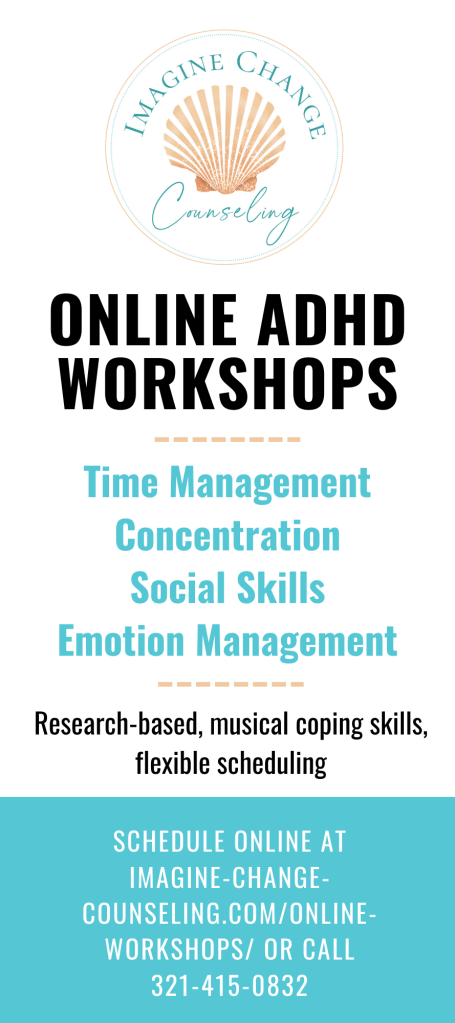
online-workshops-for-adhd
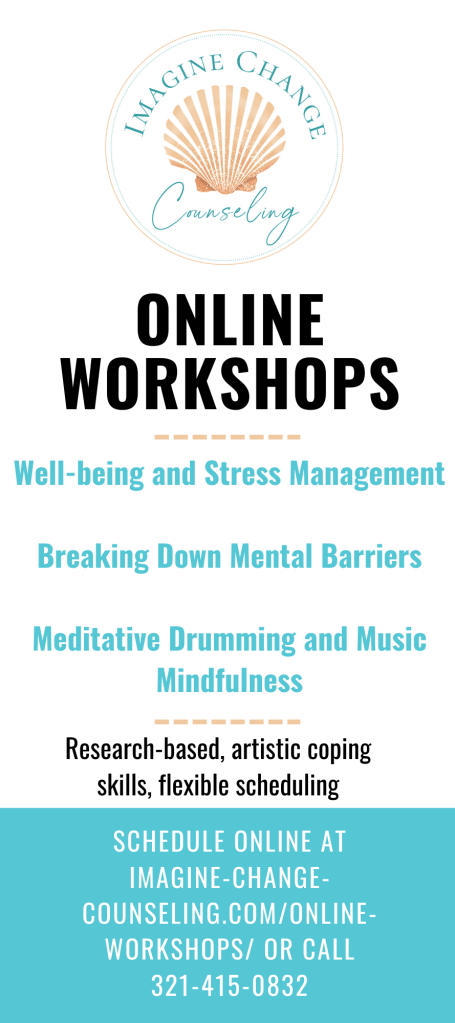
online-workshops-for-well-being-and-stress-management

Contact Me in 4 Easy Ways (for therapy):

Imagine Change Counseling, LLC

  • Click the yellow “Book Online” button above for your free 15 minute phone consultation 
  • If you have insurance, schedule the call through Headway
  • Fill out the form below for your call (I’ll contact you by secure voice and/or text to schedule our consultation time) 
  • Call me at 321-415-0832 

***Must be living in Florida to receive my therapy services. It’s OK if your permanent address is in another state and you attend college in Florida!

Go back

Your message has been sent

Warning
Warning
Warning
Warning.

If you need immediate assistance, please call 911 or call/text with the Suicide and Crisis Lifeline at 988. For LGBTQIA+ specific support, visit https://www.thetrevorproject.org/.

Copyright © 2024 Imagine Change Counseling, LLC. All rights reserved.

Navigating the Holiday Hustle: A Guide to Mental Health

white-bag-with-fairy-lights-and-pinecones-and-acorns-and-star-on-side

Hey, all! As we gear up for the holiday season, it’s essential to take a moment and acknowledge the unique set of challenges this time of year can bring to our mental health. The glittering lights, cozy gatherings, and the promise of joy often come hand in hand with stress, anxiety, and a whirlwind of emotions. So, let’s chat about mental health and the holidays, and explore some self-help strategies that can make this season a little more manageable for our young adult souls.

Unwrapping the Layers of Mental Health and the Holidays

The holidays, for all their merriment, can sometimes serve as a pressure cooker for mental health issues. The mix of heightened expectations, family dynamics, financial strains, and the whirlwind of social activities can leave even the most spirited individuals feeling a bit frayed at the edges. It’s okay to acknowledge that this time of year might stir up some unique challenges, and it’s perfectly normal to feel a bit overwhelmed. Here’s some help you can hopefully apply in your life (not only this time of year).

Self-Help Strategies: Your Mental Health Toolkit

1.     Mindful Moments: Start by incorporating moments of mindfulness into your day. Whether it’s a short meditation, a brisk walk, or a few deep breaths, these moments of pause can anchor you amidst the holiday chaos.

2.     Boundaries are Your BFFs: It’s okay to set boundaries. You don’t have to attend every event, buy the most extravagant gifts, or have a perfect holiday. Recognize your limits and communicate them clearly, both to yourself and to others.

3.     The Power of No: Saying ‘no’ is an act of self-care. It’s okay to decline invitations or commitments that add unnecessary stress to your plate. Prioritize your well-being and choose activities that truly bring you joy.

4.     Connection over Perfection: Instead of striving for the perfect holiday, focus on creating meaningful connections. It’s the laughter, the shared moments, and the genuine connections that truly make this season special.

5.     Reflect and Reset: Take a moment to reflect on the past year and set realistic intentions for the upcoming one. This process of self-reflection can be a grounding exercise, helping you navigate the transition into a new year with clarity and purpose.

Is Therapy the Gift Your Mental Health Needs? Ask Yourself:

As we skate through the surface of self-help, it’s crucial to recognize when it’s time to seek professional support. Therapy can be a powerful ally, providing a safe space to explore and navigate the complex terrain of our minds. Here are some questions to ask yourself:

1.     Am I struggling to manage my emotions? If the holiday blues seem more like a persistent storm, therapy can equip you with coping strategies and tools.

2.     Are relationship dynamics causing distress? Family gatherings can sometimes unearth buried tensions. If you find yourself grappling with strained relationships, a therapist can help you navigate these complex dynamics.

3.     Is stress affecting my physical health? Stress can manifest physically, impacting our overall well-being. If you’re experiencing headaches, sleep disturbances, or other physical symptoms, therapy can address the mind-body connection.

4.     Do I feel isolated or alone? The holiday season can amplify feelings of loneliness. Therapy provides a supportive space to explore these emotions and build connections in your life.

5.     Am I struggling with past traumas? The holidays can sometimes resurface old wounds. If past traumas are affecting your present, therapy can guide you in processing and healing.

Take the First Step Towards Your Well-being

In the dance of the holiday season, don’t forget to prioritize your mental health. Whether it’s incorporating self-help strategies or considering therapy, your well-being deserves a place on your holiday to-do list. Remember, it’s okay not to have it all figured out, and to let another person help.

If you’re ready to take the next step in your mental health journey, I’m here to support you. I offer individual therapy sessions online for those navigating the unique challenges of young adulthood, particularly for those in Florida. Additionally, check out my online workshops focusing on ADHD, stress management, and overall well-being no matter where you live in the USA. If you’re local in the Orlando area, I also offer in-person group drumming sessions—an immersive experience in rhythm and community for your workplace, club, or any group.

Remember, the best gift you can give yourself this holiday season is the gift of well-being. Let’s make this season one of growth, connection, and self-discovery.

Contact Me in 4 Easy Ways:

Imagine Change Counseling, LLC
  • Click the yellow “Book Online” button above for your free 15 minute phone consultation 
  • If you have insurance, schedule the call through Headway
  • Fill out the form below for your call (I’ll contact you by secure voice and/or text to schedule our consultation time) 
  • Call me at 321-415-0832 

***Must be living in Florida to receive my therapy services. It’s OK if your permanent address is in another state and you attend college in Florida!

Go back

Your message has been sent

Warning
Warning
Warning
Warning.

Also, take a glance at my online workshops to see if any would be helpful for your concern.

If you need immediate assistance, please call 911 or call/text with the Suicide and Crisis Lifeline at 988. For LGBTQIA+ specific support, visit https://www.thetrevorproject.org/.

Copyright © 2023 Imagine Change Counseling, LLC. All rights reserved.
Boosting Your Self-Esteem for a Better Life

self-love-for-self-esteem-therapy-with-hanging-couch-and-plants

Have you ever thought about your self-esteem? I’m sure you have. So, is it at the level you want for your life? Can it be better? Healthier? Well, let’s talk about understanding how self-esteem can impact your life and why it’s important for you to consider seeking help if you feel that your self-esteem needs a boost. In this blog post, I’ll explore the concept of self-esteem, its effects on various aspects of your life, and how to determine if self-esteem therapy is the right path for you.

What is Self-Esteem?

Self-esteem is the way you perceive and value yourself; the belief you hold about your worth and abilities. This perception plays a pivotal role in your overall well-being and how you navigate life. When your self-esteem is healthy, you’re more likely to make positive life choices, pursue your dreams, and develop healthier relationships. Conversely, low self-esteem can hinder your personal and professional growth, leading to a variety of concerns including self-doubt, anxiety, and a less fulfilling life.

But guess what! Self-esteem isn’t static; it can change over time and in response to various life experiences. It’s like a plant that needs nurturing and care to grow. Fortunately, there are ways to improve your self-esteem, and one of the most effective ways to do that is through self-esteem therapy.

Is Self-Esteem Therapy Right for You?

Before you embark on your journey to improved self-esteem, it’s important to ask yourself some questions. These can help you determine whether you could benefit from self-esteem therapy. Remember, self-esteem issues are more common than you might think, and there’s no shame in seeking help. Here are some questions to consider:

1. Do I Constantly Doubt Myself?

One of the telltale signs of low self-esteem is a persistent self-doubt. If you find yourself questioning your abilities, second-guessing your decisions, or feeling incapable, it might be time to seek help.

2. Am I Overly Self-Critical?

Do you often criticize yourself harshly for the smallest mistakes or imperfections? High levels of self-criticism can erode your self-esteem and overall well-being.

3. Does Rejection or Criticism Devastate Me?

How do you handle criticism or rejection? If you find that even minor criticism or rejection sends you spiraling into self-loathing or despair, it’s a sign that your self-esteem might need a boost.

4. Am I Afraid to Pursue My Goals?

Low self-esteem can hinder your ability to set and achieve goals. If you often avoid pursuing your dreams because you don’t believe in yourself, therapy can help you regain your confidence.

5. Are My Relationships Suffering?

Low self-esteem can strain your relationships. If you find it difficult to trust others, express your needs, or maintain healthy boundaries, it’s worth considering therapy.

6. Is My Mental Health Affected?

Mental health issues such as anxiety and depression often coexist with low self-esteem. If you’re experiencing these symptoms, addressing your self-esteem might be a crucial step in your recovery.

7. Do I Struggle with Self-Care?

Self-esteem is closely tied to self-care. If you neglect your physical and emotional well-being because you don’t believe you deserve it, therapy can guide you toward healthier habits.

8. Am I Isolating Myself?

Isolating yourself from friends and family because you feel unworthy of their company is a sign of low self-esteem. Therapy can help you reconnect and build stronger relationships.

9. Do I Have a Negative Self-Image?

Your self-image, the way you see your physical self, is another aspect of self-esteem. If you constantly criticize your appearance, it might be time to work on improving your self-esteem.

When to Seek Self-Esteem Therapy

So, you’ve asked yourself these important questions and found that your self-esteem is in need of a boost. But when should you consider seeking self-esteem therapy? Here are some signs that it might be time:

1. You’ve Tried Self-Help but Aren’t Seeing Results

Self-help techniques, like positive affirmations or self-help books, can be beneficial. However, if you’ve tried them without significant improvement, it may be a sign that professional help is necessary.

2. Your Self-Esteem Is Affecting Your Daily Life

If low self-esteem is interfering with your daily life, such as your work, relationships, or overall happiness, it’s time to consider therapy.

3. You Want to Gain Deeper Self-Understanding

Therapy not only helps boost your self-esteem but also provides a space for self-exploration and understanding. If you’re curious about why you feel the way you do and want to make lasting changes, therapy can be a valuable tool.

4. You’re Ready for Personal Growth

If you’re committed to personal growth and positive change, self-esteem therapy can help you build the foundation you need to thrive.

How Self-Esteem Therapy May Look

Self-esteem therapy is a goal-oriented approach to improving self-esteem. The therapy process may include:

1. Self-Exploration

Therapy sessions are a safe space for you to explore your beliefs, experiences, and emotions that contribute to low self-esteem.

2. Cognitive Behavioral Techniques

Cognitive-behavioral therapy (CBT) is often used to challenge and reframe negative thought patterns. You’ll learn to recognize self-critical thoughts and replace them with more healthy and realistic ones.

3. Building Self-Compassion

Learning to be kind and compassionate to yourself is a key component of self-esteem therapy. You’ll develop self-acceptance and self-love.

4. Setting and Achieving Goals

Therapy can help you set and work toward achievable goals, which in turn can boost your confidence and self-esteem.

5. Stress Management

Managing stress and anxiety is often part of self-esteem therapy. Techniques for handling stress can be a game-changer for your self-esteem.

Online Self-Esteem Therapy

If you’re searching for self-esteem therapy, it’s important to know that therapy isn’t limited to in-person sessions. Online therapy is popular and accessible, allowing you to receive the help you need from the comfort of your home. This is especially valuable for young adults who lead busy lives and prefer the flexibility of virtual sessions.

Online self-esteem therapy offers the same benefits as in-person therapy. You’ll work with a licensed therapist who can provide guidance, support, and tools to boost your self-esteem. The convenience of online therapy means you can schedule sessions that fit your timetable and avoid the stress of commuting.

Florida Residents- Reach Out to Me

Improving your self-esteem is a worthwhile endeavor that can have a profound impact on your life. If you’ve found that you’re struggling with self-doubt, negative self-talk, and it’s affecting your overall happiness, seeking self-esteem therapy could be the key to positive change. Remember, self-esteem issues are common, and there’s no need to face them alone. I’m here to help!

If you’re in Florida, you can access my services for online therapy and my new online workshops (wherever you live) to help you on your journey to a happier, more confident you. If you don’t live in Florida and want self-esteem therapy, just search “self-esteem therapy near me.” You can also look on your insurance website for available therapists in your state. Don’t hesitate to reach out for support; you deserve to live a life where self-esteem isn’t a roadblock but a stepping stone to success and fulfillment.

To learn more about the services I offer or to book a phone consultation, use one of these three easy methods: call me at 321-415-0832, fill out the email form below and we’ll set up a 15 minute free consultation call, or click the “Book Online” button and schedule the call yourself. Hope to hear from you soon so we can change your life together.

Imagine Change Counseling, LLC

Go back

Your message has been sent

Warning
Warning
Warning
Warning.

If you need immediate assistance, please call 911 or call/text with the Suicide and Crisis Lifeline at 988. For LGBTQIA+ specific support, visit https://www.thetrevorproject.org/.

Copyright © 2023 Imagine Change Counseling, LLC. All rights reserved.
ADHD and Me: Help for Young Adults

puzzle-pieces-scattered-for-adhd

Welcome, young adults, to a conversation that might just change the way you perceive your world. Today, I’m delving into ADHD, or Attention-Deficit/Hyperactivity Disorder. You may have heard about it, or you might be curious because you’ve been struggling with symptoms that just don’t seem to fit into place in your life. In this post, I’ll explore what ADHD is, how it presents itself, and the crucial steps to consider if you think it might be a part of your life. I’ll give some options available, whether it’s medication, therapy, or a combination of both, and how to find the right therapist to support you on the journey of change.

Understanding ADHD

ADHD is a neurodevelopmental disorder that starts in childhood but can persist into adulthood. It’s not just about being a little more active or forgetful than your peers. ADHD involves a complex interplay of factors that affect your attention, hyperactivity, and impulsivity.

Symptoms and Life Functioning

To identify if ADHD might be a part of your life, here are some common symptoms to consider:

  1. Inattentiveness: Do you find it challenging to stay focused on tasks or activities, often making careless mistakes? Does it seem like you’re frequently daydreaming or losing things necessary for tasks and activities?
  2. Hyperactivity: Are you often fidgeting or tapping your feet, unable to sit still when it’s expected? Do you feel restless and find it challenging to relax?
  3. Impulsivity: Do you struggle with impulsive decision-making, perhaps saying or doing things without thinking about the consequences? Do these impulsive choices sometimes get you into trouble, especially socially?
  4. Organization and Time Management: Is keeping your life organized a constant struggle? Do you find it challenging to meet deadlines or manage your time effectively?
  5. Forgetfulness: Are you frequently misplacing items or forgetting important dates and appointments, even when you’ve tried various methods to remember?
  6. Academic or Occupational Challenges: Have you faced difficulties in school or work because of issues related to attention, hyperactivity, or impulsivity? Maybe you’re always late to class, forget to complete an assignment, or take longer to complete a task, missing a deadline.

It’s essential to remember that not everyone with ADHD will experience all of these symptoms, and the severity can vary widely. But, ADHD can significantly impact various aspects of your life, from relationships to your education or career.

More Questions to Ask Yourself

If you’ve identified with some of the symptoms mentioned above, it’s time to ask yourself some vital questions:

1. Do I Need Help?

The first step in addressing ADHD is recognizing that you might need help. Even though you made it through high school, entering college or work life can reveal new challenges. If the symptoms of ADHD are significantly affecting your daily life, seeking support is crucial. Ask yourself if these challenges are causing distress, interfering with your goals, or affecting your relationships. If the answer is yes, it’s time to take the next step.

2. Do I Need Medication, Therapy, or Both?

The treatment for ADHD typically falls into two categories: therapy and medication. But how do you know which, if not both, might be right for you?

Therapy: Therapy, particularly cognitive-behavioral therapy (CBT), behavioral therapy, and psychoeducation, can be immensely helpful in teaching coping strategies and addressing the emotional and psychological aspects of ADHD. If you’re finding it difficult to manage the emotional challenges that often come with ADHD, therapy could be a valuable addition to your life. I suggest starting here.

Medication: Medication can help manage some of the core symptoms of ADHD, such as inattention and hyperactivity. If you’re struggling to focus or manage your impulses, and it’s significantly impacting your daily life, medication might be a consideration. Consult with a healthcare professional, preferably a psychiatrist, to discuss the potential benefits, side effects, and suitability of medication for your case. *Sometimes doctors require testing to confirm the diagnosis before providing medicine.

Both: For many individuals with ADHD, a combination of therapy and medication has great results. The decision to use both options should be made in consultation with a healthcare professional, as they can provide guidance tailored to your specific needs.

3. Who Can I Get Clarification From?

This is where seeking professional guidance becomes essential. Here’s who you can reach out to for clarification:

Therapist: Start here or with a primary care physician. Therapists can offer therapy, guidance, and strategies to help you manage the emotional and psychological challenges that often accompany ADHD. They can also refer you for ADHD testing or to a doctor if desiring medicine.

Primary Care Physician: They can help diagnose and provide initial guidance on treatment options. They may also refer you to specialists, like psychiatrists or therapists, for a more comprehensive evaluation if you don’t already have them.

Psychiatrist: A psychiatrist specializes in diagnosing and treating mental health disorders, including ADHD. They are well-equipped to assess whether medication is appropriate for your situation. (A common confusion about psychiatrists is whether they provide therapy. They do not, only medicine.)

Support Groups: Connecting with others who have ADHD can provide valuable insights and emotional support. Online and in-person support groups can be incredibly helpful.

Now that you’ve asked yourself these vital questions and are considering your options, let’s move on to the next crucial step – finding the right therapist to support you on your ADHD journey.

Finding the Right ADHD Therapist: A Checklist

Therapists play a significant role in helping individuals with ADHD manage their symptoms, develop coping strategies, and improve their overall quality of life. Here’s a checklist of questions and tips to help you identify the best ADHD therapist in your area:

1. Credentials and Specialization

  • Are they licensed? Ensure that the therapist you choose is licensed to practice in your state.
  • Do they have experience with ADHD? It’s essential to find a therapist who specializes in or has experience treating ADHD.

2. Therapeutic Approach

  • What is their therapeutic approach? Different therapists may use various therapeutic techniques. Ensure their approach aligns with your preferences and needs.
  • Do they offer CBT, behavioral therapy, or psychoeducation? These approaches are particularly effective for managing ADHD.

3. Compatibility

  • Do you feel comfortable with them? Building a rapport with your therapist is crucial for effective treatment. You should feel at ease talking to them. This is why I offer a free 15 minute phone consultation before scheduling the first appointment.
  • Are they a good listener? A good therapist is an active listener, which is especially important for addressing your unique challenges. You need to feel seen and heard.

4. Practical Considerations

  • Location and availability: Is the therapist’s office conveniently located, and are their hours compatible with your schedule? Online therapy is a great option for the ease of access to sessions. It’s why I chose to provide my services that way!

5. Insurance and Cost

  • Do they accept your insurance? If you have insurance, it’s essential to find a therapist who accepts it. If not, inquire about their fees and payment options.

Taking Action: Seek Help and Support

If you’ve made it this far in my post, it’s clear that you’re committed to improving your life and managing your ADHD effectively. Seeking help is a courageous step, and it can lead to meaningful change. Don’t hesitate to reach out to professionals and explore your options.

If you’re a Florida resident, I offer online therapy services tailored to adult individuals dealing with ADHD and related challenges. I specialize in cognitive-behavioral therapy (CBT), behavioral therapy, and psychoeducation, all of which are highly effective in managing ADHD. My whole career of 22+ years has been with youth and young adults in the school system, last working at a university counseling center, so ADHD is one of my specializations.

To learn more about the services I offer or to book a phone consultation, use one of these three easy methods: call me at 321-415-0832, fill out the email form below and we’ll set up a 15 minute free consultation call, or click the “Book Online” button and schedule the call yourself. Hope to hear from you soon so we can change your life together.

Imagine Change Counseling, LLC

Go back

Your message has been sent

Warning
Warning
Warning
Warning.

If you need immediate assistance, please call 911 or call/text with the Suicide and Crisis Lifeline at 988. For LGBTQIA+ specific support, visit https://www.thetrevorproject.org/.

Copyright © 2023 Imagine Change Counseling, LLC. All rights reserved.