

Cultivating Self-Compassion

woman-hugging-herself-with-back-to-camera

Embracing Self-Compassion in the New Year

As we dive into this new year, the buzz around resolutions and goals can be both exciting and daunting. With all this chatter, let’s talk about something equally important, and related—self-compassion. It’s that gentle, understanding voice within us that offers kindness and support, especially when things get tough. In this post, let’s explore what self-compassion entails, why it’s crucial right now, and how to nurture this aspect of ourselves.

Understanding Self-Compassion: What is it and How Does it Show Up?

Self-compassion is the art of treating yourself with the same warmth and understanding you’d extend to a friend facing a challenge. It involves three core components: self-kindness versus self-judgment, common humanity versus isolation, and mindfulness versus over-identification.

  1. Self-Kindness vs. Self-Judgment: Self-kindness involves treating oneself with warmth, understanding, and patience, especially during times of difficulty or when facing personal shortcomings. It’s about being gentle and supportive with oneself, similar to the way one would comfort a friend in need. This component encourages individuals to acknowledge their imperfections without harshly criticizing themselves. On the flip side, self-judgment involves being overly critical, engaging in negative self-talk, and harshly evaluating oneself for mistakes or perceived failures. Practicing self-kindness means extending compassion and forgiveness to oneself, nurturing a more positive and supportive inner dialogue.
  2. Common Humanity vs. Isolation: Recognizing our common humanity involves acknowledging that struggles, challenges, and setbacks are universal experiences. It’s about understanding that everyone encounters difficulties in life, and no one is immune to facing obstacles. This component helps individuals understand that their struggles are not unique or isolating, reducing feelings of shame or inadequacy. Embracing common humanity allows one to connect with others through shared experiences, fostering empathy and understanding, and reducing feelings of loneliness or isolation during challenging times.
  3. Mindfulness vs. Over-Identification: Mindfulness involves being present and aware of one’s thoughts, emotions, and experiences without becoming overwhelmed or consumed by them. It’s about observing thoughts and feelings without judgment or excessive attachment. This component encourages individuals to approach their emotions with openness and curiosity, allowing for a deeper understanding of their inner experiences. On the other hand, over-identification occurs when individuals become engulfed by their emotions, leading to a sense of being overwhelmed or defined by their thoughts and feelings. Practicing mindfulness enables a balanced perspective, where one acknowledges emotions without being controlled or defined by them, promoting emotional resilience and self-awareness.

These three components of self-compassion—self-kindness, recognizing common humanity, and practicing mindfulness—work together synergistically to create a supportive and understanding relationship with oneself, fostering resilience, emotional well-being, and a healthier self-image.

Now, with all the resolution frenzy around, it’s an excellent moment to check in on this aspect of ourselves. The pressure to begin the year with a bang often overshadows the importance of giving ourselves permission for a slow start or even no start at all. Remember, it’s okay not to immediately leap into action; it’s more about being kind to yourself in your journey.

Identifying Your Level of Self-Compassion: Questions to Reflect On

Let’s take a moment for self-reflection. Ask yourself:

  1. How do I speak to myself when I face challenges or setbacks?
  2. Do I believe that I’m alone in my struggles, or do I recognize that everyone faces difficulties?
  3. Am I mindful and aware of my feelings without getting consumed by them?

Tips to gauge your self-compassion:

  • Observe your inner dialogue during challenging times.
  • Notice if you’re harsher on yourself compared to how you’d support a friend.
  • Reflect on whether you tend to isolate your struggles or view them as part of the human experience.

The Impact of Improved Self-Compassion: What’s in It for You?

Developing self-compassion offers many benefits, especially in the whirlwind of young adulthood. It can:

  • Reduce anxiety and stress levels, leading to improved mental well-being.
  • Boost resilience, helping you bounce back from setbacks and failures.
  • Enhance motivation and self-esteem, fostering a healthier self-image.

Think about navigating college life; imagine feeling less overwhelmed by academic pressures or being kinder to yourself when facing social challenges. That’s the power of self-compassion in action!

Tips to Enhance Your Self-Compassion Right Now

  1. Practice self-care routines: Allocate time for activities that nourish your mind and body, whether it’s yoga, journaling, or simply taking a leisurely walk.
  2. Reframe self-talk: Challenge negative self-talk by consciously replacing it with more compassionate and realistic statements.
  3. Cultivate mindfulness: Engage in mindfulness practices like meditation or deep breathing exercises to stay present and compassionate toward your experiences.

Take a Step Towards Self-Compassion Today

As we step into this promising new year, let’s remember the importance of nurturing our self-compassion. Remember, it’s a journey, and small steps matter. If you’re intrigued and want to delve deeper into this journey of self-discovery and compassion, feel free to reach out!

I can help you learn more about how to foster self-compassion in your life if you live in Florida. If not, you can find a therapist in your state. But don’t hesitate…it’s worth it.

Remember, it’s okay to take it slow and be kind to yourself in this process. You’ve got this!

Contact Me in 4 Easy Ways (for therapy):

Imagine Change Counseling, LLC

  • Click the yellow “Book Online” button above for your free 15 minute phone consultation 
  • If you have insurance, schedule the call through Headway
  • Fill out the form below for your call (I’ll contact you by secure voice and/or text to schedule our consultation time) 
  • Call me at 321-415-0832 

***Must be living in Florida to receive my therapy services. It’s OK if your permanent address is in another state and you attend college in Florida!

Go back

Your message has been sent

Warning
Warning
Warning
Warning.

If you need immediate assistance, please call 911 or call/text with the Suicide and Crisis Lifeline at 988. For LGBTQIA+ specific support, visit https://www.thetrevorproject.org/.

Copyright © 2024 Imagine Change Counseling, LLC. All rights reserved.

Realistic Goal Setting for 2024

goals-in-planner-on-desk

It’s 2024! So you know what that usually means…New Year’s resolutions. But instead of those, which I never make, let’s focus on realistic goal setting. Unlike resolutions that often fade away, setting achievable goals involves a thoughtful process that can genuinely transform your life. They have a specific intent backed by more than just want.

Setting Successful and Realistic Goals

Crafting goals that are actionable and impactful involves a few key strategies:

  1. Specificity Is Empowering: The power of specificity cannot be overstated. Instead of vague goals like “I want to eat healthier,” be specific: “I will incorporate a serving of vegetables in every meal.” Being precise helps in outlining clear actions. Think of it as being measurable in some way. If you can measure, you will know when you make progress. Also, pay attention to word choice (want vs will- see the difference above?).
  2. Measure Progress: Break down larger goals into measurable components. Ah, see. For instance, if your aim is to learn a new language, set weekly targets for vocabulary words or practice hours. Measuring progress makes achieving the end goal less daunting.
  3. Keep It Realistic: Dreaming big is fantastic, but goals must also be realistic. Starting with manageable steps ensures a higher chance of success. For example, if you aim to start a business, begin with researching your market instead of aiming for immediate huge sales figures. That often doesn’t happen so fast and can lead you to feeling sad or defeated. Small steps equal big results.
  4. Time Is of the Essence: Assign deadlines to your goals. This helps create urgency and keeps you accountable. By setting timelines, you create a sense of structure that propels you forward.

More Help is On the Way!

The above points are helpful but I want to give you more. OK, way more. Let’s talk about factors that will contribute to your success.

Importance of Mindset and Consistency:

When embarking on your goal-setting journey, nurturing a positive mindset is essential. Your attitude towards your goals significantly influences your success. Cultivate a growth mindset—a belief that abilities and intelligence can be developed through dedication and hard work. This outlook enables you to view challenges as opportunities for growth rather than obstacles.

Consistency is the bedrock of progress. It’s not just about making sporadic efforts but about showing up consistently towards your goals, even when motivation wanes. Establishing routines and habits aligned with your objectives fosters consistency. For instance, if your aim is to enhance your physical fitness, committing to regular exercise sessions, whether it’s a daily walk or gym workouts, builds consistency.

Harnessing the Power of Visualization:

Visualizing your goals is a potent tool. Take a few moments each day to visualize yourself achieving your goals. Picture the steps you’re taking, the obstacles you overcome, and the joy of reaching your milestones. Visualization strengthens your belief in your ability to achieve your goals, enhancing your motivation and focus. The power of our minds is something, well, powerful.

Accountability:

Accountability is a great motivator. Sharing your goals with someone who can hold you accountable encourages commitment. Consider joining groups or communities pursuing similar objectives. Engaging with like-minded individuals creates a supportive environment where you can exchange ideas, seek advice, and share successes and challenges.

Embracing Self-Compassion and Self-Care:

In the pursuit of goals, it’s crucial to practice self-compassion and prioritize self-care. Be kind to yourself if you experience setbacks or if progress seems slower than expected. Acknowledge your efforts and the steps you’ve taken, regardless of the outcome. Remember, self-compassion fosters resilience and perseverance.

Self-care is non-negotiable. Taking care of your physical, mental, and emotional well-being is vital for sustained progress. Ensure you allocate time for activities that recharge you, whether it’s reading, spending time outdoors, practicing mindfulness, or engaging in hobbies.

Adjusting as Needed:

Adjusting your goals doesn’t signify failure; it reflects adaptability and resilience. If a particular approach isn’t yielding results, consider these steps:

  • Evaluate Progress: Regularly assess your progress. If you’re consistently falling short, reevaluate your strategy.
  • Modify the Approach: If something isn’t working, tweak your plan. This could mean adjusting timelines, seeking additional resources, or altering your methods.
  • Celebrate Milestones: Acknowledge and celebrate smaller achievements along the way. It reinforces motivation and provides momentum for further progress.

Now Get To It

In 2024, your aspirations and goals will weave a narrative of growth and achievement. Embrace the power of realistic goal setting to shape your narrative. Remember, success isn’t a distant dream; it’s a journey crafted through deliberate, achievable goals.

Eager to dive deeper into goal setting and personal development? Connect with me to explore how my services can guide you in reaching your goals. You can set up individual telehealth therapy with me if you live in Florida or even take one of my short online workshops no matter where you live. All information is below.

Here’s to a remarkable 2024 filled with growth, resilience, and the fulfillment of your aspirations!

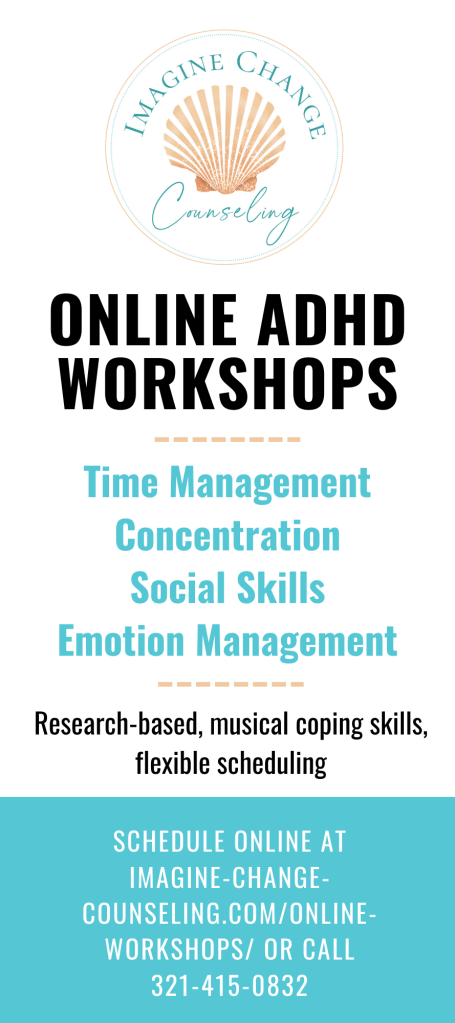
online-workshops-for-adhd
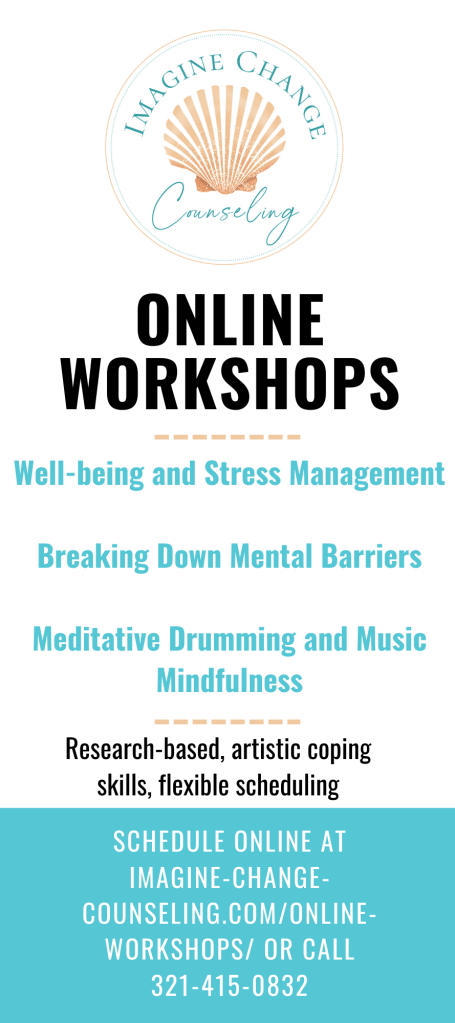
online-workshops-for-well-being-and-stress-management

Contact Me in 4 Easy Ways (for therapy):

Imagine Change Counseling, LLC

  • Click the yellow “Book Online” button above for your free 15 minute phone consultation 
  • If you have insurance, schedule the call through Headway
  • Fill out the form below for your call (I’ll contact you by secure voice and/or text to schedule our consultation time) 
  • Call me at 321-415-0832 

***Must be living in Florida to receive my therapy services. It’s OK if your permanent address is in another state and you attend college in Florida!

Go back

Your message has been sent

Warning
Warning
Warning
Warning.

If you need immediate assistance, please call 911 or call/text with the Suicide and Crisis Lifeline at 988. For LGBTQIA+ specific support, visit https://www.thetrevorproject.org/.

Copyright © 2024 Imagine Change Counseling, LLC. All rights reserved.

Personal Development Therapy: Nurturing Your True Self

yellow-watering-can

Personal growth and development is a journey that we all embark on as we grow into and in adulthood. It’s a path of self-discovery, transformation, and self-improvement, and it encompasses various aspects of our lives. From our identity and values to our career and social interactions, personal development therapy can be a powerful tool to help you find your true self and live a fulfilling life, especially as a young adult.

In this post, I’ll explore what personal development therapy may include and how it can benefit you. I’ll also discuss how to identify whether therapy can help you in your personal development journey and provide tips for finding the right therapist to guide you through this transformative process.

What Does Personal Development Therapy Include?

Personal development therapy addresses a wide range of areas in your life, each contributing to your overall well-being and happiness. Let’s break down some of the key aspects it can help you explore:

  • Identity (Values, Beliefs, Interests, Purpose): Your identity is a fundamental part of who you are. Personal development therapy can assist you in understanding your values, beliefs, interests, and life purpose. It provides a safe space to explore your core self, helping you align your actions and decisions with your true values.
  • Gender and Sexuality (Coming Out, Questioning, Identity Confirming): Navigating questions about your gender and sexuality can be a challenging journey. Personal development therapy offers support and guidance as you explore your identity, providing a non-judgmental space to discuss coming out, questioning, and confirming your identity.
  • Spirituality: Whether you have religious beliefs or a sense of spirituality that doesn’t fit into traditional categories, personal development therapy can help you explore and deepen your spiritual connection. It allows you to find meaning and purpose in your life through a lens that resonates with you.
  • Career and College Major: Deciding on a career path or college major can be a daunting task. Personal development therapy can assist you in aligning your skills, interests, and passions with your educational and career goals. It can also help you overcome challenges in your professional journey.
  • Social Growth (Communication Skills, Relationships): Developing effective communication skills and nurturing healthy relationships are vital for personal growth. Therapy can provide you with tools and strategies to enhance your social interactions and build stronger connections with others.
  • Life Functioning (Time Management, Organization): Managing your time and staying organized are essential life skills. Personal development therapy can help you improve these areas and more, ensuring that you are better equipped to handle life’s demands and responsibilities.

Is Personal Development Therapy Right for You?

Now, you might be wondering if personal development therapy is right for you. Here are some questions to consider:

  1. Do you feel stuck or unfulfilled in your life, but you’re not sure why?
  2. Are you struggling with issues related to your identity, gender, sexuality, or spirituality?
  3. Are you facing difficulties in your career or education, such as feeling lost or unfulfilled in your current path?
  4. Do you find it challenging to connect with others or communicate effectively in your personal and professional relationships?
  5. Are you struggling with time management and organization, making it difficult to juggle your responsibilities?

If you answered yes to any of these questions, personal development therapy might be just what you need to embark on a transformative journey towards self-discovery and personal growth.

How Personal Development Therapy Can Help You

Personal development therapy offers a multitude of benefits for young adults:

  • Gaining awareness and insight into identity (values, beliefs, life goals, your image of the future in your best self)
  • Exploring passion, fulfilment, purpose, interests, strengths
  • LGBTQIA+ support (clarifying your gender and/or sexuality identity and expression, pronouns you feel comfortable using, support in the community, freedom in identity not based on anyone else’s label)
  • Stress, anxiety, and depression management (coping skills such as healthy self-soothing, relaxation, mindfulness)
  • Decreasing barriers, perceived and realistic
  • Life skills training (planning ahead, scheduling, organization tools)

Finding a Great Therapist for Young Adults

Finding the right therapist is crucial for a successful personal development journey. Here are some tips on how to find a therapist who can best meet your needs:

  1. Research: Start by doing some research online. Look for therapists in your area or state if seeking online therapy, like I offer for Florida residents, who specialize in personal development or related areas like identity, relationships, or career counseling.
  2. Credentials: Ensure that the therapist is licensed in their field. This ensures they have the necessary training and experience to help you.
  3. Specialization: Consider therapists who specialize in areas that are most relevant to your personal development goals. For example, if you’re struggling with identity or gender issues, look for a therapist with expertise in these areas.
  4. Initial Consultation: Many therapists offer a free initial consultation. Take advantage of this to get a feel for the therapist’s style and determine if you’re a good fit. This is why I offer a free 15 minute consultation call.
  5. Comfort and Connection: It’s important to feel comfortable and have a strong connection with your therapist. The therapeutic relationship is a key factor in the success of your personal development journey.

Let’s Go!

In your journey of personal development, remember that seeking help is a sign of strength, not weakness. Personal development therapy can be a valuable tool to help you navigate the complexities of life, explore your identity, and become the best version of yourself.

If you’re a young adult looking for personal development therapy near you, take the first step towards a brighter future. Reach out to a therapist who can guide you on this transformative journey. Whether you’re struggling with identity, relationships, career choices, or any other aspect of your life, there is support available to help you thrive.

Don’t hesitate to learn more about my services and how I can assist you in your personal development journey. Talk soon!

Contact Me in 4 Easy Ways:

Imagine Change Counseling, LLC
  • Click the yellow “Book Online” button above for your free 15 minute phone consultation 
  • If you have insurance, schedule the call through Headway
  • Fill out the form below for your call (I’ll contact you by secure voice and/or text to schedule our consultation time) 
  • Call me at 321-415-0832 

***Must be living in Florida to receive my therapy services. It’s OK if your permanent address is in another state and you attend college in Florida!

Go back

Your message has been sent

Warning
Warning
Warning
Warning.

Also, take a glance at my online workshops to see if any would be helpful for your concern.

If you need immediate assistance, please call 911 or call/text with the Suicide and Crisis Lifeline at 988. For LGBTQIA+ specific support, visit https://www.thetrevorproject.org/.

Copyright © 2023 Imagine Change Counseling, LLC. All rights reserved.
Boosting Your Self-Esteem for a Better Life

self-love-for-self-esteem-therapy-with-hanging-couch-and-plants

Have you ever thought about your self-esteem? I’m sure you have. So, is it at the level you want for your life? Can it be better? Healthier? Well, let’s talk about understanding how self-esteem can impact your life and why it’s important for you to consider seeking help if you feel that your self-esteem needs a boost. In this blog post, I’ll explore the concept of self-esteem, its effects on various aspects of your life, and how to determine if self-esteem therapy is the right path for you.

What is Self-Esteem?

Self-esteem is the way you perceive and value yourself; the belief you hold about your worth and abilities. This perception plays a pivotal role in your overall well-being and how you navigate life. When your self-esteem is healthy, you’re more likely to make positive life choices, pursue your dreams, and develop healthier relationships. Conversely, low self-esteem can hinder your personal and professional growth, leading to a variety of concerns including self-doubt, anxiety, and a less fulfilling life.

But guess what! Self-esteem isn’t static; it can change over time and in response to various life experiences. It’s like a plant that needs nurturing and care to grow. Fortunately, there are ways to improve your self-esteem, and one of the most effective ways to do that is through self-esteem therapy.

Is Self-Esteem Therapy Right for You?

Before you embark on your journey to improved self-esteem, it’s important to ask yourself some questions. These can help you determine whether you could benefit from self-esteem therapy. Remember, self-esteem issues are more common than you might think, and there’s no shame in seeking help. Here are some questions to consider:

1. Do I Constantly Doubt Myself?

One of the telltale signs of low self-esteem is a persistent self-doubt. If you find yourself questioning your abilities, second-guessing your decisions, or feeling incapable, it might be time to seek help.

2. Am I Overly Self-Critical?

Do you often criticize yourself harshly for the smallest mistakes or imperfections? High levels of self-criticism can erode your self-esteem and overall well-being.

3. Does Rejection or Criticism Devastate Me?

How do you handle criticism or rejection? If you find that even minor criticism or rejection sends you spiraling into self-loathing or despair, it’s a sign that your self-esteem might need a boost.

4. Am I Afraid to Pursue My Goals?

Low self-esteem can hinder your ability to set and achieve goals. If you often avoid pursuing your dreams because you don’t believe in yourself, therapy can help you regain your confidence.

5. Are My Relationships Suffering?

Low self-esteem can strain your relationships. If you find it difficult to trust others, express your needs, or maintain healthy boundaries, it’s worth considering therapy.

6. Is My Mental Health Affected?

Mental health issues such as anxiety and depression often coexist with low self-esteem. If you’re experiencing these symptoms, addressing your self-esteem might be a crucial step in your recovery.

7. Do I Struggle with Self-Care?

Self-esteem is closely tied to self-care. If you neglect your physical and emotional well-being because you don’t believe you deserve it, therapy can guide you toward healthier habits.

8. Am I Isolating Myself?

Isolating yourself from friends and family because you feel unworthy of their company is a sign of low self-esteem. Therapy can help you reconnect and build stronger relationships.

9. Do I Have a Negative Self-Image?

Your self-image, the way you see your physical self, is another aspect of self-esteem. If you constantly criticize your appearance, it might be time to work on improving your self-esteem.

When to Seek Self-Esteem Therapy

So, you’ve asked yourself these important questions and found that your self-esteem is in need of a boost. But when should you consider seeking self-esteem therapy? Here are some signs that it might be time:

1. You’ve Tried Self-Help but Aren’t Seeing Results

Self-help techniques, like positive affirmations or self-help books, can be beneficial. However, if you’ve tried them without significant improvement, it may be a sign that professional help is necessary.

2. Your Self-Esteem Is Affecting Your Daily Life

If low self-esteem is interfering with your daily life, such as your work, relationships, or overall happiness, it’s time to consider therapy.

3. You Want to Gain Deeper Self-Understanding

Therapy not only helps boost your self-esteem but also provides a space for self-exploration and understanding. If you’re curious about why you feel the way you do and want to make lasting changes, therapy can be a valuable tool.

4. You’re Ready for Personal Growth

If you’re committed to personal growth and positive change, self-esteem therapy can help you build the foundation you need to thrive.

How Self-Esteem Therapy May Look

Self-esteem therapy is a goal-oriented approach to improving self-esteem. The therapy process may include:

1. Self-Exploration

Therapy sessions are a safe space for you to explore your beliefs, experiences, and emotions that contribute to low self-esteem.

2. Cognitive Behavioral Techniques

Cognitive-behavioral therapy (CBT) is often used to challenge and reframe negative thought patterns. You’ll learn to recognize self-critical thoughts and replace them with more healthy and realistic ones.

3. Building Self-Compassion

Learning to be kind and compassionate to yourself is a key component of self-esteem therapy. You’ll develop self-acceptance and self-love.

4. Setting and Achieving Goals

Therapy can help you set and work toward achievable goals, which in turn can boost your confidence and self-esteem.

5. Stress Management

Managing stress and anxiety is often part of self-esteem therapy. Techniques for handling stress can be a game-changer for your self-esteem.

Online Self-Esteem Therapy

If you’re searching for self-esteem therapy, it’s important to know that therapy isn’t limited to in-person sessions. Online therapy is popular and accessible, allowing you to receive the help you need from the comfort of your home. This is especially valuable for young adults who lead busy lives and prefer the flexibility of virtual sessions.

Online self-esteem therapy offers the same benefits as in-person therapy. You’ll work with a licensed therapist who can provide guidance, support, and tools to boost your self-esteem. The convenience of online therapy means you can schedule sessions that fit your timetable and avoid the stress of commuting.

Florida Residents- Reach Out to Me

Improving your self-esteem is a worthwhile endeavor that can have a profound impact on your life. If you’ve found that you’re struggling with self-doubt, negative self-talk, and it’s affecting your overall happiness, seeking self-esteem therapy could be the key to positive change. Remember, self-esteem issues are common, and there’s no need to face them alone. I’m here to help!

If you’re in Florida, you can access my services for online therapy and my new online workshops (wherever you live) to help you on your journey to a happier, more confident you. If you don’t live in Florida and want self-esteem therapy, just search “self-esteem therapy near me.” You can also look on your insurance website for available therapists in your state. Don’t hesitate to reach out for support; you deserve to live a life where self-esteem isn’t a roadblock but a stepping stone to success and fulfillment.

To learn more about the services I offer or to book a phone consultation, use one of these three easy methods: call me at 321-415-0832, fill out the email form below and we’ll set up a 15 minute free consultation call, or click the “Book Online” button and schedule the call yourself. Hope to hear from you soon so we can change your life together.

Imagine Change Counseling, LLC

Go back

Your message has been sent

Warning
Warning
Warning
Warning.

If you need immediate assistance, please call 911 or call/text with the Suicide and Crisis Lifeline at 988. For LGBTQIA+ specific support, visit https://www.thetrevorproject.org/.

Copyright © 2023 Imagine Change Counseling, LLC. All rights reserved.
Unlocking Peace of Mind: What Is Anxiety Therapy for Young Adults?

don't-panic-for-anxiety-therapy-in-Florida

Understanding the Difference Between Stress and Anxiety

Hey there, fellow young adults! Life can throw some serious curveballs our way, and it’s only natural to feel stressed from time to time. After all, balancing work, relationships, and personal growth can be a real juggling act. But how do you know when that stress has crossed the line into anxiety territory? And what exactly is anxiety therapy? Well, that’s what I’m here to explore with you today.

In this blog post, I’m going to dive into the world of anxiety, explain what it is, how it can affect your life, and most importantly, how you can find the right anxiety therapist, specifically in Florida since that’s where I practice. So, let’s get started on this journey to understanding and managing anxiety together!

Anxiety Unveiled: What Is It and What Are the Symptoms?

Before we jump into the world of anxiety therapy, it’s crucial to have a solid grasp of what anxiety actually is, including its symptoms. Anxiety is more than just everyday stress; it’s a persistent and often overwhelming sense of unease or fear about future events or situations, even those that may not be threatening. It can manifest physically, emotionally, and mentally. Some common symptoms of anxiety include:

  1. Excessive Worry: Constantly thinking about “what if” scenarios and feeling unable to control these thoughts.
  2. Physical Symptoms: Experiencing physical symptoms like a racing heart, sweating, trembling, muscle tension, and restlessness.
  3. Irrational Fears: Developing irrational fears or phobias that disrupt daily life, such as fear of flying, crowds, or social situations.
  4. Difficulty Concentrating: Finding it challenging to concentrate or focus on tasks due to racing thoughts.
  5. Avoidance Behaviors: Avoiding situations or places that trigger anxiety, which can lead to isolation and further distress.
  6. Sleep Problems: Struggling with sleep disturbances like insomnia or restless sleep. Sometimes it’s even hard to go to sleep because of racing thoughts.
  7. Panic Attacks: Experiencing sudden and intense bouts of fear, often accompanied by physical symptoms like chest pain and shortness of breath.

How Anxiety Can Affect Your Life

Anxiety can impact various aspects of your life, and as young adults, you may find it especially challenging to manage these effects while living your best life. Here are a few ways anxiety can disrupt your daily life:

  1. Academic and Career Performance: Anxiety can interfere with your ability to concentrate, perform well on exams or projects, and excel in your academic or professional pursuits.
  2. Social Relationships: It may lead to avoidance of social situations, making it difficult to build and maintain meaningful relationships.
  3. Physical Health: The physical symptoms of anxiety can take a toll on your overall well-being, potentially leading to other health issues.
  4. Emotional Well-being: Anxiety can contribute to feelings of sadness, hopelessness, irritability, and a reduced sense of enjoyment in life.
  5. Future Goals: It might hinder your ability to set and achieve long-term goals due to persistent worry and self-doubt.

Questions to Ask Yourself: Do You Have Anxiety?

Now that you have a better understanding of anxiety, you may be wondering if it resonates with your personal experiences. To help you determine if you might be struggling with anxiety, consider asking yourself these questions:

  • Do I often find myself worrying excessively?
  • Am I worn out and exhausted when I shouldn’t be?
  • Do I have trouble concentrating because I’m worried?
  • Are my anxious thoughts and feelings interfering with my daily life and well-being?
  • Do I often feel irritable and annoyed?
  • Have I experienced random physical symptoms, like a racing heart or trembling?
  • Do I avoid certain situations or places due to anxiety?

If you answered “yes” to any of these questions, it might be a sign that you could benefit from anxiety therapy.

Finding an Experienced Anxiety Therapist in Florida

So, you’ve recognized the signs and symptoms of anxiety in your life, and you’re ready to seek help. That’s a courageous and proactive step! Finding an experienced anxiety therapist in Florida is the next crucial move.

Here are some steps to guide you in your search:

  1. Seek Recommendations: Start by asking friends, family, or colleagues for recommendations. Personal referrals can be incredibly valuable.
  2. Check Online Directories: Utilize online resources and directories to find therapists in your area. Websites like Psychology Today, GoodTherapy, ZocDoc, and WebMD are excellent places to start your search.
  3. Research Credentials: Ensure that the therapist you choose is licensed and experienced in treating anxiety disorders. Look for credentials such as Licensed Mental Health Counselor (LMHC- that’s me!) or Licensed Clinical Social Worker (LCSW).
  4. Read Reviews: Take the time to read reviews and testimonials from previous clients. This can provide insights into a therapist’s approach and effectiveness.
  5. Consultation: Schedule an initial consultation with the therapist you are interested in working with to see if you feel comfortable and have a good rapport with them. This initial meeting will help you gauge whether they are the right fit for you. I offer a free 15 minute phone consultation and it helps both of us get on the right track.

Anxiety Therapy in Telehealth: How It Can Help You

In today’s digital age, accessing therapy has become more convenient than ever, thanks to telehealth. So, what is anxiety therapy in telehealth, and how can it benefit young adults in Florida?

What Is Telehealth?

Telehealth is a form of therapy conducted over secure online platforms. It allows you to receive professional therapy services from the comfort of your own space, whether that’s your home, dorm room, or even your car. You only have to be alone in the room, have good internet service, and be physically in the state your therapist is licensed.

The Benefits of Telehealth Anxiety Therapy for Young Adults

  1. Convenience: Telehealth eliminates the need for travel, making it easier for young adults with busy schedules to access therapy.
  2. Privacy: You can engage in therapy from a private and comfortable environment, which can enhance your willingness to open up and share.
  3. Access to Specialists: Telehealth widens your options for finding the right therapist, even if they’re not located near you. You can connect with experienced anxiety therapists anywhere in Florida, not just in your city.
  4. Reduced Stigma: Some young adults may feel more comfortable seeking therapy when it’s done discreetly online, reducing the perceived stigma associated with mental health care.
  5. Flexibility: Telehealth sessions often offer flexible scheduling options to accommodate your hectic life.

Take the First Step Towards Peace of Mind

Anxiety can be a tough opponent, but it’s important to remember that help is readily available. By understanding what anxiety is, recognizing its symptoms, and taking the initiative to seek therapy, you’re already on the path to a brighter, more balanced future. Hey, you read this blog post, didn’t you?

At Imagine Change Counseling’s Florida Online Anxiety Therapy, I specialize in helping young adults like you regain control over their lives, manage anxiety, and embrace growth. But that’s not all—I also offer specialized services in ADHD, academic concerns, self-esteem, adjustment and life transitions, and personal development. Read each specialty page for more information.

So, if you’re ready to take the first step toward peace of mind and personal growth, reach out to me today. Don’t let anxiety hold you back any longer. Together, we can navigate the journey toward a happier, more fulfilling life.

***Hit Follow below to stay up to date with every blog.***

Copyright © 2023 Imagine Change Counseling, LLC. All rights reserved.

Navigating Telehealth Mental Health Therapy: Is It Right for You?

laptop and phone ready for telehealth teletherapy on desk with inspirational items

In today’s fast-paced world, taking care of our mental health has never been more important, especially for young adults who often find themselves juggling the demands of work, education, and personal life. Fortunately, there’s a convenient and accessible solution at your fingertips: Telehealth mental health therapy. In this article, I’ll delve into what telehealth is, explore why it’s an ideal choice, provide guidance on how to find Florida telehealth providers like myself, and discuss my areas of specialization that can benefit young adults. Let’s get started!

What is Telehealth Mental Health Therapy?

Telehealth mental health therapy, often simply referred to as teletherapy, is a modern approach to psychotherapy that allows you to receive mental health support remotely, typically through video calls. This convenient method provides a bridge to connect you with qualified mental health professionals, like myself, without the need for in-person visits.

Is Telehealth Right for You?

Many young adults wonder if telehealth is the right choice for their mental health needs. To help you decide, let’s address some common questions and concerns:

1. Will I receive the same level of care as in-person therapy? Absolutely. Telehealth therapy is conducted by licensed professionals who are trained to provide effective treatment and support. Research has shown that teletherapy can be just as effective as in-person therapy for a wide range of mental health concerns.

2. Can I maintain my privacy and confidentiality? Yes, teletherapy prioritizes your privacy. Sessions are conducted through secure and encrypted platforms, ensuring that your personal information remains confidential.

3. What if I don’t have access to technology or a stable internet connection? There are options available for those without reliable technology or internet access. Phone sessions are a viable alternative with some providers, and some providers may even offer sessions via text or email.

4. Will it feel as personal as in-person therapy? Teletherapy sessions can be incredibly personal and therapeutic. Many clients report feeling just as connected to their therapist during remote sessions as they do in face-to-face meetings.

I worked at a university counseling center for the last 10 years and sometimes didn’t meet certain clients in person…ever. They told me they felt the same about our therapeutic relationship as if they met me in person. It’s just as personal as being in the same room.

Why Telehealth is an Ideal Solution

Now that we’ve addressed some common concerns, let’s explore why telehealth is an ideal solution for many young adults:

1. Convenience: Teletherapy eliminates the need for travel, making it accessible for individuals with busy schedules or those living in remote areas.

2. Flexibility: You can schedule sessions at times that work best for you, even during evenings or weekends with some providers. This flexibility allows you to prioritize your mental health without disrupting your daily routine.

3. Comfort: Being in your own environment can help you feel more relaxed and open during therapy sessions. This comfort can lead to more productive discussions and insights.

4. Reduced Stigma: For some, seeking mental health support can be daunting. Teletherapy offers a degree of anonymity that can make the process feel less intimidating. You don’t have to wait in a room full of other clients who you worry about knowing, for example. Instead, you meet when and where you want (as long as it’s private).

How to Find Florida Telehealth Providers Like Me

If you’re considering telehealth as an option, it’s important to find a qualified therapist who meets your needs. As a licensed psychotherapist, I’m here to guide you through the process. Here are some steps to help you find the right provider:

1. Start with Research: Begin your search by looking online for telehealth providers in Florida. Websites like Psychology Today and Zocdoc can be valuable resources.

2. Check Credentials: Ensure that the therapist you choose is licensed and experienced in addressing your specific concerns. You can verify their credentials on the Florida Department of Health website.

3. Read Reviews: Reading reviews and testimonials from other clients can provide insights into the therapist’s approach and effectiveness.

4. Schedule Consultations: Many therapists offer free initial consultations. Take advantage of these to get a sense of their style and whether you feel comfortable with them.

5. Ask About Specializations: Make sure the therapist specializes in areas that align with your needs. As mentioned earlier, I specialize in helping young adults navigate various challenges.

6. Confirm Insurance: If you have insurance, ensure that the therapist accepts it. This can help make therapy more affordable for you.

7. Trust Your Gut: Ultimately, trust your instincts when selecting a therapist. The therapeutic relationship is built on trust and comfort, so it’s essential to choose someone you connect with.

Conclusion and Call to Action

In conclusion, telehealth mental health therapy offers young adults in Florida a convenient and effective way to prioritize their mental well-being. It provides a level of flexibility and comfort that can be particularly appealing to those with busy lives. As a licensed psychotherapist specializing in issues that commonly affect young adults, such as anxiety, Attention-Deficit/Hyperactivity Disorder (ADHD), self-esteem concerns, life changes/transitions/adjustment issues, and personal development, I invite you to explore the benefits of teletherapy further. My approach with you as my client is Person-centered, Humanistic, genuine, multiculturally sensitive, and honest, as well as integrative with research-based practices such as Cognitive Behavioral Therapy (CBT) and Expressive Arts Therapy (use of music and art- I’m a trained HealthRHYTHMS Drumming Facilitator!).

If you’re ready to take the next step toward improving your mental health and overall well-being, I encourage you to learn more about my services. I offer telehealth therapy that’s tailored to your unique needs, and I accept insurance to make the process as accessible as possible (Aetna, Cigna, United Healthcare, Oxford Health, and Oscar Health are accepted. If you want reimbursement from your out-of-network provider [one I do not take], I can provide a superbill. Get started using your insurance to see me here, through use of the secure platform Headway.)

Don’t hesitate to reach out and schedule your free 15 minute consultation with me. Your mental health is worth investing in, and teletherapy can be a valuable tool on your journey to a happier and more fulfilling life. Remember, you’re not alone, and support is just a click or a call away. Hope to see you soon!

***Hit Follow below to stay up to date with every blog.***

Copyright © 2023 Imagine Change Counseling, LLC. All rights reserved.