
Can Therapy Help my Anxiety?

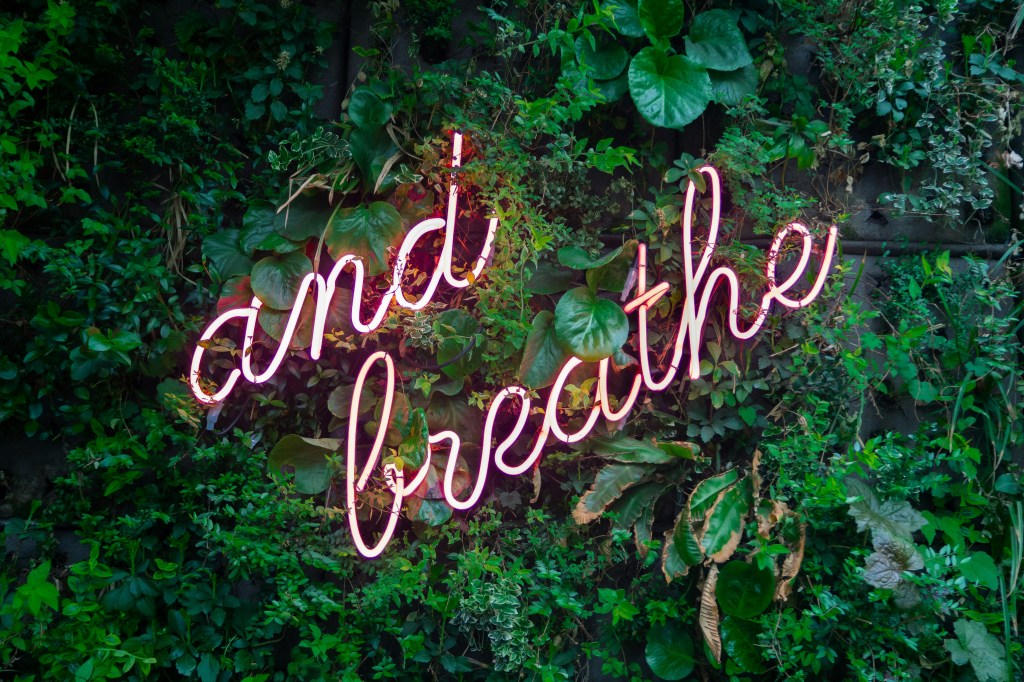
an-breath-in-neon-sign-on-greenery

Anxiety – it’s a common thread that weaves through the fabric of our lives. Whether it’s the looming pressures of work or school, relationships, or the uncertainties of the future, anxiety can grip us tightly, making every step feel like a daunting journey. But fear not, for therapy might just be the key to unlocking the shackles of anxiety and reclaiming control over your life.

Understanding Anxiety vs Stress

Anxiety isn’t just a fleeting feeling of worry or nervousness; it’s a persistent state of unease that can manifest in various ways. From racing thoughts and sweaty palms to panic attacks and avoidance behaviors, anxiety can wear many masks, making it difficult to pinpoint at times. Stress and anxiety are often used interchangeably, but they are distinct experiences with different characteristics:

Stress:

  • Stress is a response to external pressures or demands that challenge an individual’s ability to cope effectively with their environment.
  • It is typically a short-term reaction to specific events or situations, such as deadlines, exams, or conflicts.
  • Stress can be both positive (eustress), motivating individuals to take action and achieve goals, and negative (distress), causing feelings of tension, overwhelm, or frustration.
  • Physiologically, stress triggers the body’s “fight or flight” response, leading to the release of hormones like adrenaline and cortisol to prepare for potential threats.
  • While short-term stress is a normal part of life, chronic or excessive stress can have detrimental effects on physical and mental health, leading to issues such as fatigue, muscle tension, headaches, and difficulty concentrating.

Anxiety:

  • Anxiety, on the other hand, is a broader and more pervasive emotional state characterized by persistent worry, fear, or apprehension about future events or uncertainties.
  • Unlike stress, which is typically tied to specific stressors, anxiety can arise without a clear trigger and may persist even when the stressor is removed.
  • Anxiety is often accompanied by physical symptoms such as restlessness, muscle tension, rapid heartbeat, sweating, and gastrointestinal discomfort.
  • It can range from mild to severe and may interfere with daily activities, social interactions, and overall quality of life.
  • Anxiety disorders, such as generalized anxiety disorder (GAD), panic disorder, social anxiety disorder, and phobias, involve excessive and debilitating levels of anxiety that may require professional intervention.

Identifying the Right Therapist

Now that we’ve familiarized ourselves with anxiety, the next step is finding the right therapist to guide us through the labyrinth of our minds. Here are a few questions to consider when on the hunt for the a great fit in an anxiety therapist:

  1. What’s Their Specialization? Look for therapists who specialize in anxiety disorders or have extensive experience in treating anxiety-related issues. Their expertise can make a world of difference in your therapeutic journey.
  2. Do They Offer Evidence-Based Treatments? Evidence-based therapies, such as Cognitive Behavioral Therapy (CBT), have shown remarkable success in treating anxiety. Make sure your therapist is well-versed in these scientifically proven techniques.
  3. Are They a Good Fit? Trust and rapport are crucial components of therapy. Take the time to gauge whether you feel comfortable opening up to your therapist and whether their approach resonates with you.
  4. What’s Their Availability? Life can be hectic, especially for young adults juggling multiple responsibilities. Find a therapist whose schedule aligns with yours to ensure consistency in your therapy sessions.

Statistics: The Promise of Therapy

You might be wondering, “Does therapy really work for anxiety?” The short answer: yes, it does. According to studies, therapy has been shown to significantly reduce symptoms of anxiety and improve overall quality of life.

Research from the American Psychological Association suggests that approximately 75% of individuals who undergo psychotherapy experience noticeable improvements in their anxiety symptoms. The frequency of therapy sessions can also impact success rates, with more frequent sessions correlating to higher rates of improvement.

The Rise of Telehealth

The landscape of therapy is evolving, paving the way for greater accessibility and convenience. Enter telehealth – the virtual bridge connecting therapists and clients from the comfort of their own homes within the same state. Here’s why telehealth is an ideal solution for addressing anxiety:

  1. Convenience: Say goodbye to long commutes and scheduling conflicts. With telehealth, therapy sessions are just a click away, allowing you to seek support without disrupting your daily routine.
  2. Accessibility: Telehealth breaks down barriers to mental healthcare, particularly for those living in remote areas or facing mobility challenges. Now, anyone with an internet connection can access quality therapy services.
  3. Comfort and Privacy: For individuals grappling with social anxiety or discomfort in traditional therapy settings, telehealth offers a safe space to engage in therapy from the familiar confines of their home environment.

Take the First Step

Therapy holds tremendous promise for alleviating the burden of your anxiety and restoring a sense of balance to your life. Whether you opt for traditional face-to-face therapy or embrace the convenience of telehealth, the first step towards healing begins with a single decision – to seek help.

If you’re ready to embark on your journey towards a brighter, decreased-anxiety tomorrow, I invite you to learn more about my individual online therapy and workshops for how I can support you on your path to wellness. Together, we can navigate the twists and turns of anxiety and emerge stronger on the other side.

Imagine Change Counseling, LLC
  • Click the yellow “Book Online” button above for your free 15 minute phone consultation 
  • If you have insurance, schedule the call through Headway
  • Fill out the form below for your call (I’ll contact you by secure voice and/or text to schedule our consultation time) 
  • Call me at 321-415-0832 

***Must be living in Florida to receive my therapy services. It’s OK if your permanent address is in another state and you attend college in Florida!

← Back

Thank you for your response. ✨

If you need immediate assistance, please call 911 or call/text with the Suicide and Crisis Lifeline at 988. For LGBTQIA+ specific support, visit https://www.thetrevorproject.org/.

Copyright © 2024 Imagine Change Counseling, LLC. All rights reserved.

Holiday Stress: Your Guide to Finding Balance

bells-for-holidays

As the festive season approaches, it’s no secret that alongside the joy and merriment, there often comes a dose of holiday stress, both general and acute. For many young adults, this time of year can bring a myriad of emotions, from excitement to anxiety. Balancing college finals, family expectations, social gatherings, and personal obligations can be overwhelming. Let’s dive into understanding holiday stress, its impact, and ways to navigate through it with grace and resilience.

Understanding Holiday Stress

General holiday stress can manifest in various ways, impacting our mental and emotional well-being. From the pressure to meet societal expectations of joyfulness to financial strains and family dynamics, these stressors can take a toll on us. Feeling overwhelmed, anxious, or even experiencing the holiday blues is not uncommon.

Questions to Ask Yourself

If you’re feeling the weight of holiday stress, it’s essential to take a moment for introspection. Consider asking yourself these questions:

  1. What specifically triggers stress during the holidays for me?
  2. How do I typically respond to stress? Are my coping mechanisms healthy?
  3. Am I setting realistic expectations for myself during this season?
  4. What self-care practices can I implement to support my mental health?
  5. Am I communicating my needs effectively with loved ones?

Coping Strategies for Holiday Stress

Here are some effective strategies to help manage and alleviate general holiday stress:

  1. Set Boundaries: Learn to say no when necessary. It’s okay not to attend every event or take on every task.
  2. Practice Self-Care: Prioritize self-care activities that rejuvenate you, whether it’s meditation, exercise, reading, or spending time outdoors.
  3. Manage Expectations: Understand that perfection isn’t realistic. Embrace imperfections and focus on enjoying moments rather than flawless experiences.
  4. Financial Planning: Create a budget and stick to it. Remember, meaningful connections aren’t measured by extravagant gifts.
  5. Seek Support: Talk to friends, family, or a professional if you’re feeling overwhelmed. Sometimes sharing your feelings can provide valuable perspective and relief.

Dealing with Acute Holiday Stress

Sometimes, despite our best efforts, we may find ourselves facing acute stress during the holidays. Acute holiday stress refers to a sudden, intense, and often overwhelming experience of stress specifically related to the holiday season. This type of stress tends to be immediate, intense, and can significantly impact a person’s emotional and mental well-being.

Acute holiday stress might manifest as a sudden surge of emotions triggered by specific events or situations during the holidays. For instance, last-minute changes in plans or family conflicts. It’s crucial to have strategies at hand to navigate these intense moments effectively.

1. Practice Mindfulness:

When stress feels overwhelming, mindfulness can ground you in the present moment. Take a few minutes to focus on your breath, noticing each inhale and exhale. This simple practice can help calm the mind and alleviate immediate stress.

2. Utilize Relaxation Techniques:

Engage in relaxation exercises such as progressive muscle relaxation or guided imagery. These techniques can reduce muscle tension and promote a sense of relaxation, aiding in stress reduction.

3. Take Breaks:

If you feel stress building up, allow yourself breaks. Step away from the situation causing stress, take a walk, listen to soothing music, or engage in a calming activity that helps you reset.

4. Engage in Physical Activity:

Physical activity releases endorphins, which act as natural stress relievers. Whether it’s a short workout, yoga session, or a brisk walk, moving your body can significantly reduce stress levels.

5. Prioritize Sleep:

Adequate sleep is crucial for managing stress. Ensure you maintain a consistent sleep schedule, creating an environment conducive to restful sleep. Lack of sleep can exacerbate stress, so prioritize this aspect of self-care.

6. Practice Self-Compassion:

Be kind to yourself. Acknowledge that feeling stressed during the holidays is a common experience. Practice self-compassion by treating yourself with understanding and patience.

7. Limit Stimulants and Alcohol:

While it might be tempting to indulge in stimulants or alcohol to cope with stress, these substances can exacerbate feelings of anxiety. Limiting their consumption can help manage stress levels more effectively.

Sometimes you need a little more help and that’s OK.

How Therapists Can Help

As a trained psychotherapist, I’ve witnessed the transformative power of therapy in navigating holiday stress. Therapy offers a safe space to explore your emotions, develop coping strategies, and gain valuable insights into managing stressors effectively.

Why Consider Therapy?

  1. Objective Support: Therapists provide a non-judgmental space where you can express yourself freely.
  2. Skill Development: Learn practical coping skills tailored to your unique challenges.
  3. Perspective Shift: Gain a new perspective on stressful situations and learn healthier ways to approach them.
  4. Emotional Support: Receive guidance in processing complex emotions and navigating difficult family dynamics.
  5. Long-Term Benefits: Therapy equips you with tools that extend beyond the holiday season, benefiting your mental health long-term.

Contact Me

If you find yourself struggling with general or acute holiday stress, know that you’re not alone. Seeking help is a courageous step towards reclaiming your well-being. If you’re interested in exploring how therapy can support you during this season and beyond, I invite you to learn more about my services, including individual online therapy and workshops, if you live in Florida (anywhere for workshops, though!).

Let’s work together to navigate this holiday season with resilience, finding a balance that fosters joy and peace amidst the festivities.

Contact Me in 4 Easy Ways:

Imagine Change Counseling, LLC
  • Click the yellow “Book Online” button above for your free 15 minute phone consultation 
  • If you have insurance, schedule the call through Headway
  • Fill out the form below for your call (I’ll contact you by secure voice and/or text to schedule our consultation time) 
  • Call me at 321-415-0832 

***Must be living in Florida to receive my therapy services. It’s OK if your permanent address is in another state and you attend college in Florida!

← Back

Thank you for your response. ✨

Also, take a glance at my online workshops to see if any would be helpful for your concern.

If you need immediate assistance, please call 911 or call/text with the Suicide and Crisis Lifeline at 988. For LGBTQIA+ specific support, visit https://www.thetrevorproject.org/.

Copyright © 2023 Imagine Change Counseling, LLC. All rights reserved.


Mental Health During College Finals: Your Guide to Self-Care and Support

college-student-with-books-and-backpack

Hey college students! As the semester draws to a close, the air is buzzing with anticipation, stress, and, let’s face it, a bit of panic. Finals week is on the horizon, and for many of you, it may feel like a whirlwind of assignments, exams, and sleepless nights. Amidst this frenzy, it’s crucial to shine a spotlight on your mental health. College finals come with a unique set of challenges that can take a toll on your well-being. So, let’s talk about navigating this intense period while prioritizing our mental health.

Challenges During College Finals

First off, let’s acknowledge the elephant in the room: the pressure cooker of college finals. The weight of expectations, looming deadlines, and the desire to excel can skyrocket stress levels. The sheer volume of material to cover might make you feel overwhelmed, leading to anxiety and burnout. Sleep patterns may go haywire, diets may become erratic, and social connections might take a backseat.

Amidst these challenges, it’s essential to remember that your mental health matters. Ignoring it during this time can exacerbate stress and impact your performance. But fear not! There are ways to face this storm while taking care of yourself.

Tips for Self-Care During Finals:

  1. Prioritize Self-Compassion: Be kind to yourself. Acknowledge that you’re doing your best, and it’s okay not to be perfect. Self-compassion can alleviate the pressure you’re putting on yourself.
  2. Manage Time Effectively: Break down your study schedule into manageable chunks. Set specific goals for each study session to avoid feeling overwhelmed.
  3. Stay Active and Eat Well: Physical health impacts mental well-being. Take breaks to move your body and fuel it with nutritious food to sustain your energy levels.
  4. Get Enough Sleep: Yes, it’s tempting to pull an all-nighter, but your brain needs rest to function optimally. Aim for consistent sleep patterns to enhance your cognitive abilities.
  5. Connect with Supportive Peers: Share your feelings and experiences with friends or family members. Sometimes, just talking about the stress can lighten the load.

Strategies for Coping:

I love using Cognitive Behavioral Therapy (CBT) in my therapy work. Incorporating CBT and other strategies into your routine can significantly alleviate the stress and anxiety associated with college finals. Here’s a few to try:

  1. Identify and Challenge Negative Thoughts: Pay attention to negative self-talk like “I’ll fail” or “I can’t handle this.” Challenge these thoughts by asking yourself for evidence supporting or contradicting them.
  2. Practice Relaxation Techniques: Deep breathing, progressive muscle relaxation, or mindfulness exercises can help reduce stress and improve focus.
  3. Use Behavioral Activation: Break tasks into smaller, manageable parts. Set achievable goals and reward yourself upon completion. This technique boosts motivation and reduces feelings of being overwhelmed.
  4. Develop Positive Self-Talk: Replace negative thoughts with positive affirmations. Instead of “I can’t do this,” try “I’ve prepared well, and I’ll do my best.”

Why Telehealth Counseling Matters

During high-stress times like college finals, seeking professional support can be a game-changer. Telehealth counseling offers a convenient and effective solution. Here’s why it’s an ideal option:

  1. Accessibility: Telehealth breaks geographical barriers, allowing you to access therapy from anywhere. No need to worry about transportation or location constraints.
  2. Flexible Scheduling: With telehealth, counseling sessions can be scheduled to fit your busy college finals schedule. You can connect with a therapist at a time that works for you.
  3. Comfort and Privacy: You can engage in therapy from the comfort of your dorm room, apartment, or even your car, maintaining privacy and creating a familiar environment for your therapy time.
  4. Varied Options: Telehealth offers a range of therapeutic approaches and counselors, ensuring you find the right fit for your needs.

I Can Help

If you’re feeling overwhelmed during college finals or want to explore how counseling can support your mental health journey in general, I’m here to help. As a licensed psychotherapist specializing in supporting young adults through challenging times, I offer tailored telehealth counseling sessions if you live in Florida.

View my website to learn more about my services and schedule a free 15 minute consultation call. I also provide quick, 30 minute workshops to explore resources designed to help you navigate college stress while prioritizing your mental health (for anyone in the US). Remember, taking care of your well-being is not just important; it’s essential.

College finals can be a ride of emotions, but remember, you’re not alone in this. Prioritizing your mental health during this period will not only help you navigate the academic challenges but also set the stage for a healthier approach to future stressors. Practice self-care, reach out for support when needed, and remember, your well-being matters. You’ve got this!

Contact Me in 4 Easy Ways:

Imagine Change Counseling, LLC
  • Click the yellow “Book Online” button above for your free 15 minute phone consultation 
  • If you have insurance, schedule the call through Headway
  • Fill out the form below for your call (I’ll contact you by secure voice and/or text to schedule our consultation time) 
  • Call me at 321-415-0832 

***Must be living in Florida to receive my therapy services. It’s OK if your permanent address is in another state and you attend college in Florida!

← Back

Thank you for your response. ✨

Also, take a glance at my online workshops to see if any would be helpful for your concern.

If you need immediate assistance, please call 911 or call/text with the Suicide and Crisis Lifeline at 988. For LGBTQIA+ specific support, visit https://www.thetrevorproject.org/.

Copyright © 2023 Imagine Change Counseling, LLC. All rights reserved.

Unlocking Mental Wellness: The Power of Online Workshops for Young Adults

computer-mousepad-mouse-and-plant-flatlay

In today’s fast-paced world, tending to our mental health is as crucial as caring for our physical well-being. As a seasoned psychotherapist, I’ve witnessed the transformative potential of embracing innovative avenues, such as online workshops, for nurturing mental health. These workshops aren’t just virtual gatherings; they’re dynamic spaces offering tailored strategies and insights to navigate stress, enhance well-being, manage Attention-Deficit/Hyperactivity Disorder (ADHD), and amplify therapeutic skills (for therapists) using a variety of methods, including art and music.

What are Online Workshops?

Online workshops are class-like, live modules lasting 30 minutes, designed to be easily integrated into your schedule. They can include just you and I or a small group of people, even gathered by you if you prefer (i.e., friends!). Each session is carefully crafted to offer a dynamic and engaging experience, empowering participants with practical tools to navigate various challenges. Also, all of my 12 workshops are structured with visual aids to enhance your learning, leave ample time to ask one-on-one questions, and some include hands-on practice. Whether you’re a young adult juggling multiple responsibilities or a therapist seeking to expand your toolbox, these workshops provide a convenient avenue to acquire actionable techniques to help change your life. Here’s a list of all of my offered workshops at this time:

Workshops for Anyone:Workshops for Therapists:
Well-being and Stress ManagementUsing Expressive Arts in Therapy:
Breaking Down Mental Barriers– Part 1: Education
Meditative Drumming and Music Mindfulness– Part 2: Engagement
ADHD Workshops (with or without ADHD diagnosis):– Part 3: Music Deep Dive
ADHD and Time ManagementTreating Clients for ADHD Concerns:
ADHD and Concentration Management– Part 1: Education
ADHD and Social skills Management– Part 2: Application
ADHD and Emotion Management

* For detailed descriptions, make sure to read my Online Workshops page.

Who Can Benefit from Workshops?

  • Young Adults: If you’re seeking stress management techniques or yearn for strategies to bolster your well-being, these workshops are tailored to meet your needs. You’ll love the out of the box, but research-based strategies I use to help you on your journey.
  • Individuals with ADHD: Find interventions and coping mechanisms uniquely designed to aid in managing ADHD symptoms effectively. Almost every one of my workshops include musical interventions you’ll love.
  • Therapists: Enhance your therapeutic skills, learn innovative ways to incorporate art and music into therapy sessions, and explore approaches when working with clients diagnosed with ADHD. You can be at any level of your career to benefit from my workshops (even pre-graduation for your Masters degree).

Is an Online Workshop Worth Your Time and Investment?

Considering whether to invest your time and resources into one of these (or other) workshops? Here are crucial questions to ponder:

  1. Does it Address Your Needs? Once you read the description of the workshop, assess if the workshop aligns with your goals and requirements. Even if not one of my workshop, make sure you could learn exactly what you need, whether it’s stress management, well-being enhancement, ADHD interventions, or therapeutic skill advancement.
  2. Is the Content Research-Backed? Ensure the workshop incorporates evidence-based approaches. Mine do, of course, combining creative proven strategies for effective results. It depends on what you like for the workshop that fits you best. For example, if not wanting any artistic integration, I wouldn’t be the best online host for you.
  3. Can You Commit to the Schedule? Evaluate if the duration and scheduling fit seamlessly into your routine, allowing you to participate consistently if taking more than one.
  4. Are the Techniques Applicable and Practical? Reflect on whether the workshop offers tangible, applicable tools that can be readily implemented in your life or practice. Don’t be afraid to ask for specifics before paying for the workshop.
  5. Does the Workshop Provide Interactive Learning? Consider the level of engagement and interaction offered during the sessions to ensure an enriching learning experience.

Music-Specific Benefits of My Workshops

I can’t ignore my love of music and how useful it is for your needs. Here’s a taste of allll of the benefits you can gain from musical interventions.

Anxiety:

Reduced muscle tension, reduced heart rate so decreased anxiety, grounding effect

Social Anxiety:

Increased social connection, group cohesiveness, enhanced personal relationships

Self–esteem:

Improved self-image, confidence, self-awareness

ADHD:

Improved concentration, memory, time management, organization, decreased impulses

*For the entire list and citation, see my Online Workshops page.

Embrace Transformative Learning: Sign Up for My Online Workshops Today

Take the proactive step towards enhancing your mental well-being or elevating your therapeutic practice. Explore how these condensed yet impactful workshops can revolutionize your approach to managing stress, boosting well-being, addressing ADHD, and refining therapeutic techniques.

Reach out to discover how these online workshops can be your catalyst for personal growth and professional development. Don’t miss out—let’s embark on this transformative journey together!

Call me at 321-415-0832 or fill out the form below to inquire about online workshops.

← Back

Thank you for your response. ✨

If you need immediate assistance, please call 911 or call/text with the Suicide and Crisis Lifeline at 988. For LGBTQIA+ specific support, visit https://www.thetrevorproject.org/.

Copyright © 2023 Imagine Change Counseling, LLC. All rights reserved.